Author: Geoff

  • Graffiti : Contributing to a Linguistic Landscape

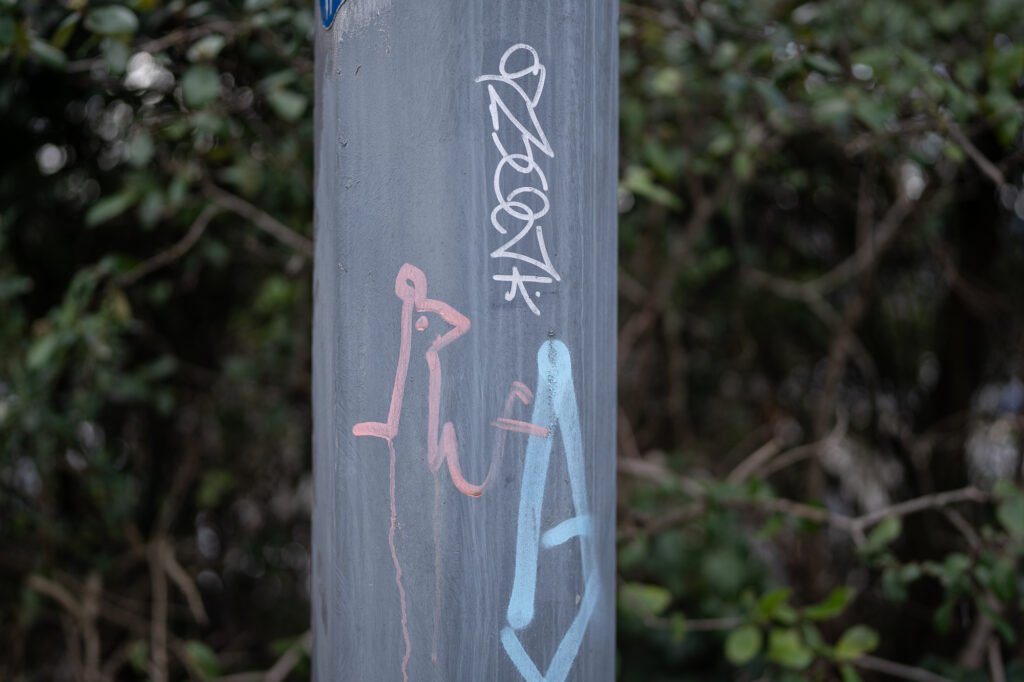
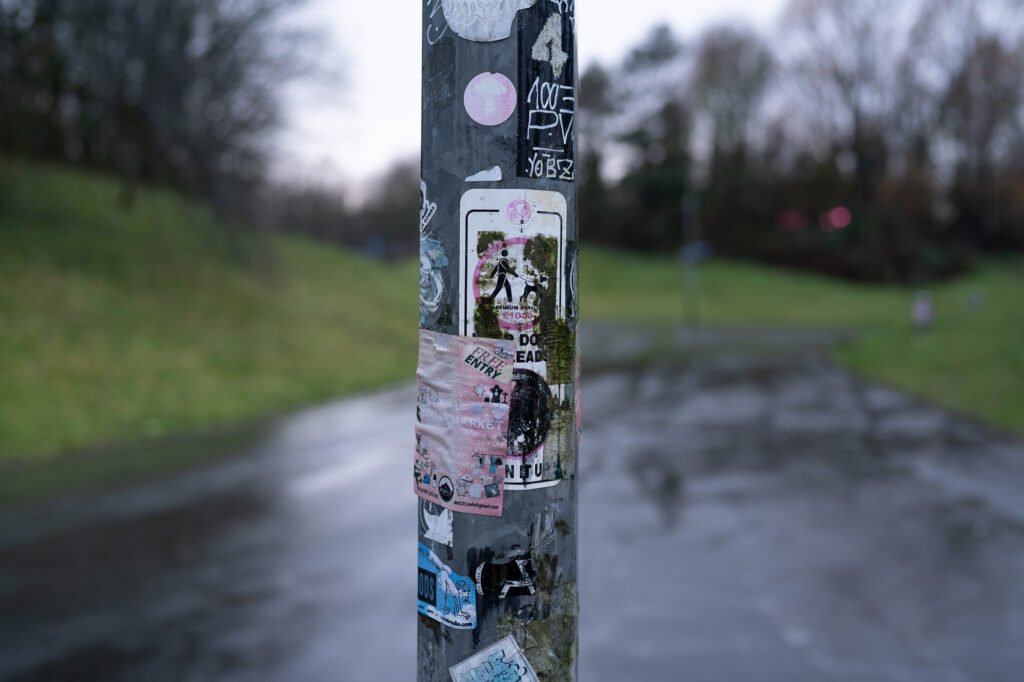
    Language in public space is not just a means of communication, but also a symbol reflecting cultural affiliation, power and identity. The linguistic landscape, which is a set of written signs in the public environment – signs, announcements, graffiti, pointers – becomes a mirror of the social structure and cultural identity of a particular region.

    https://www.xlinguae.eu/files/XLinguae2_2025_17.pdf

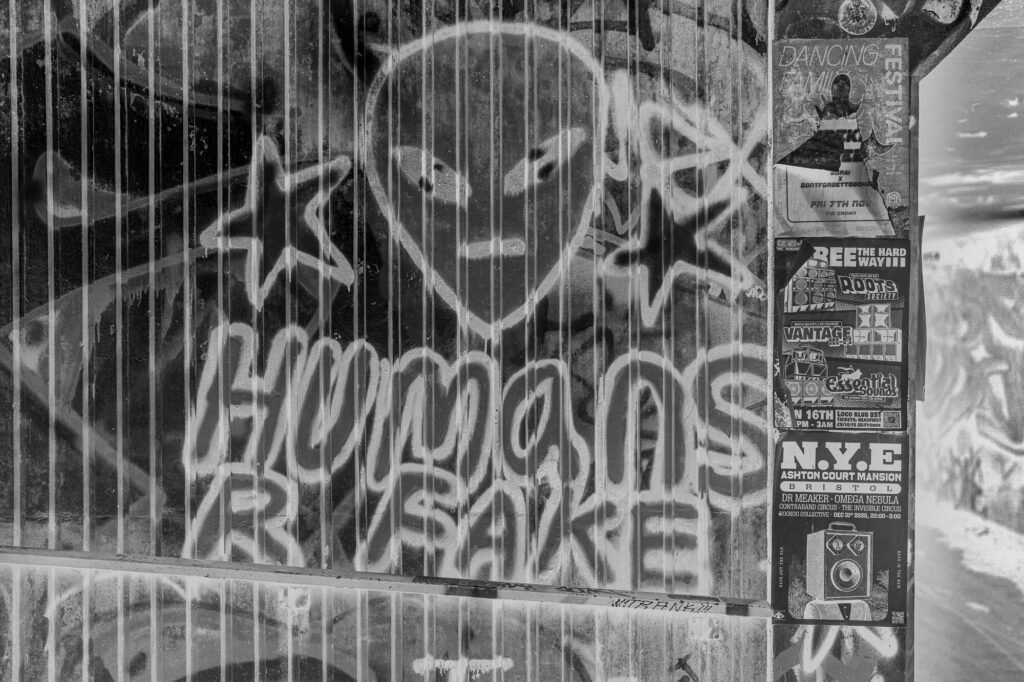
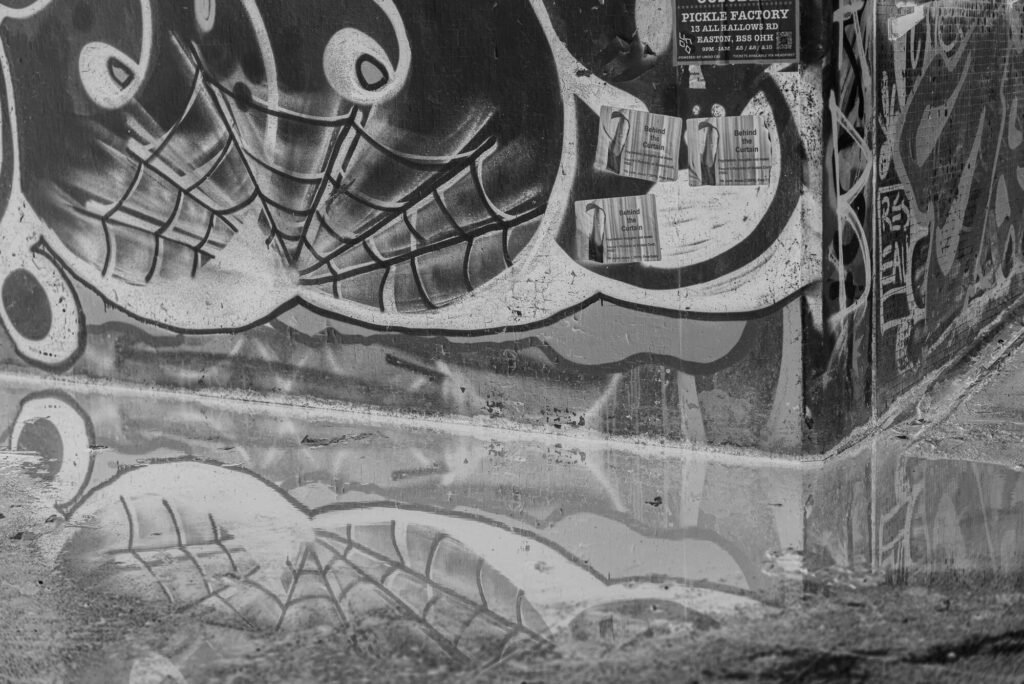
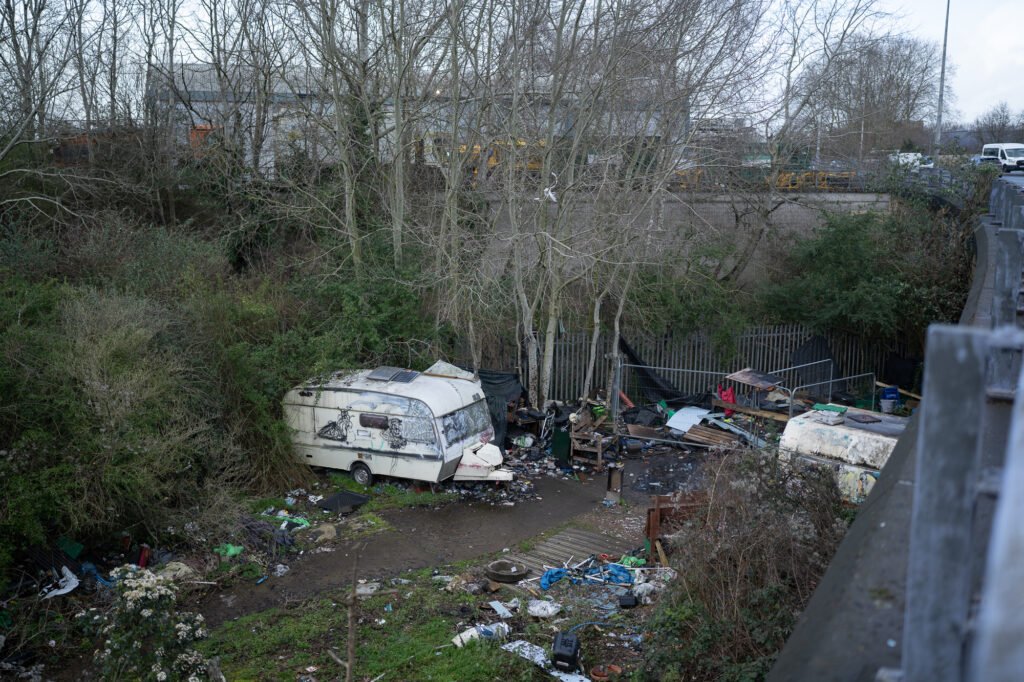
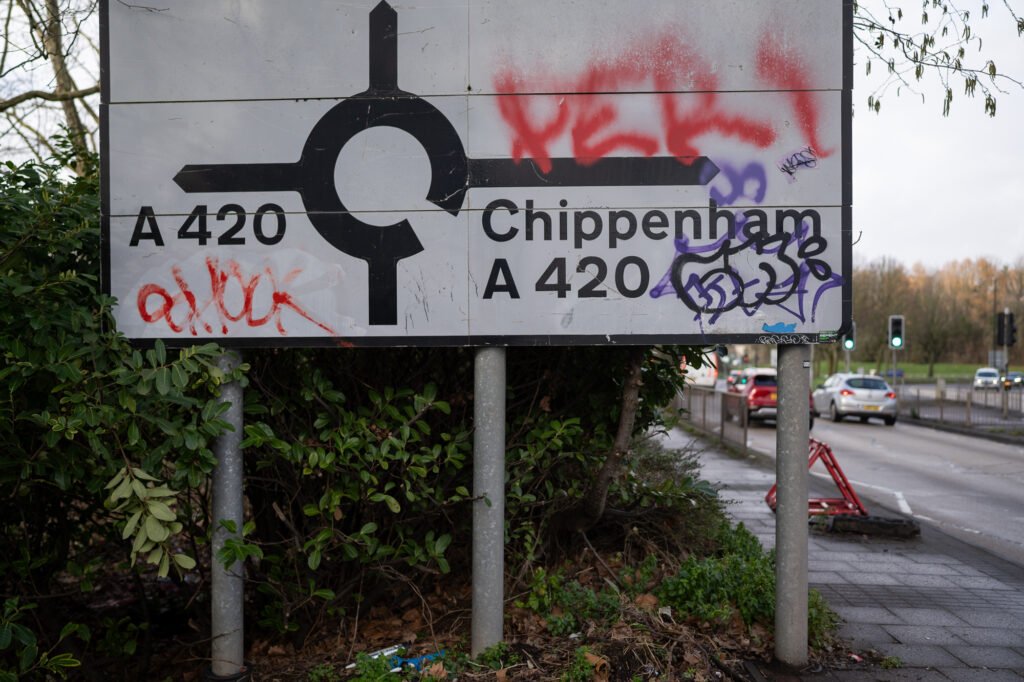
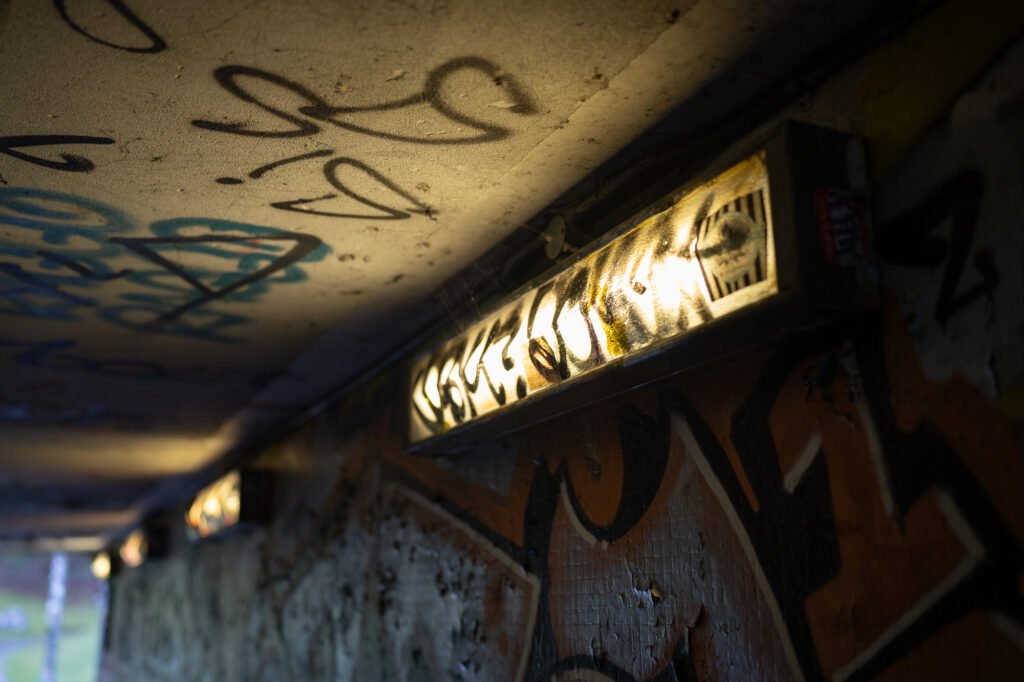
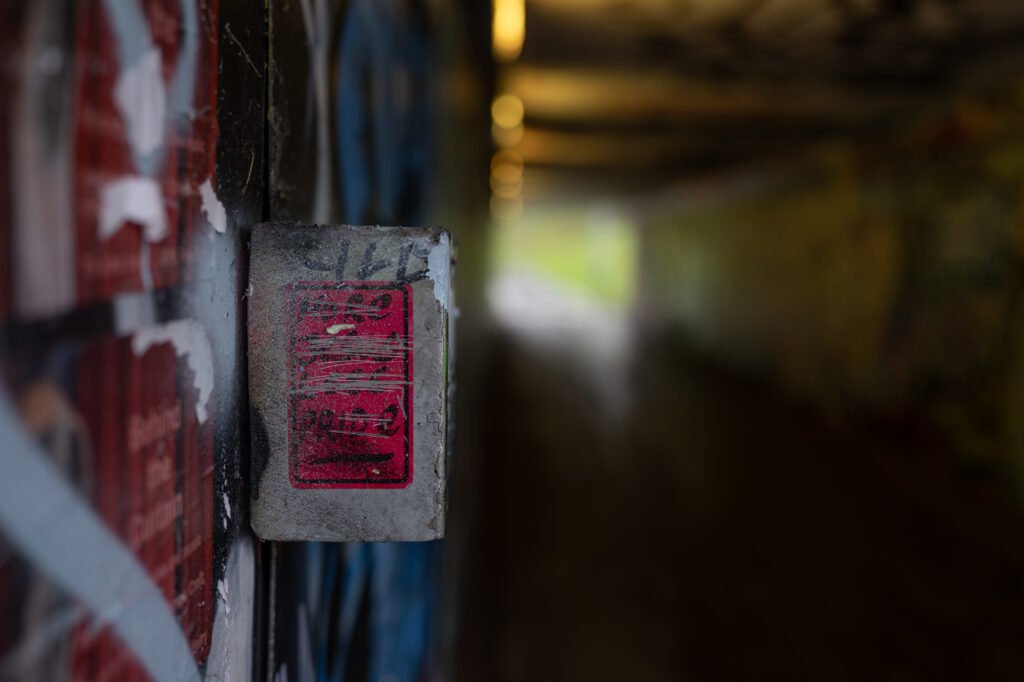
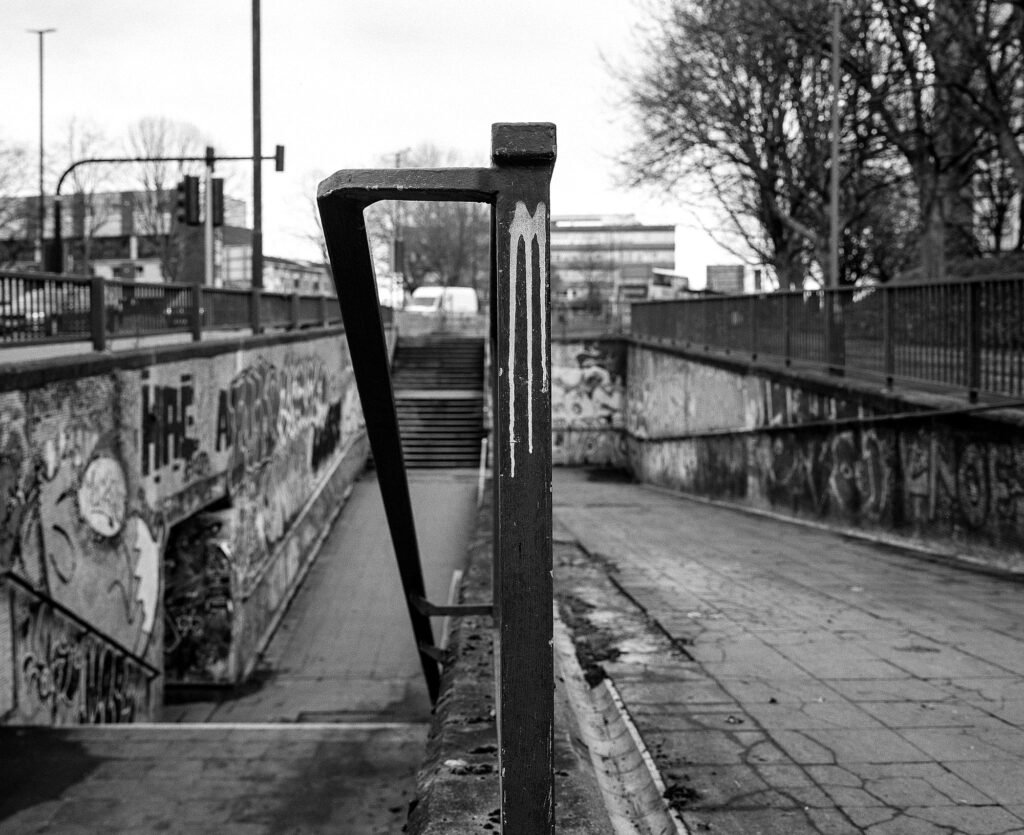
    This quotation describes how my interpretation of Lawrence Hill roundabout and its underpass. It is not just a roundabout and underpass but can be systemically regarded as a self-contained world created and sustained by its local communities . It is a dynamic space which changes frequently.

    This photographic project seeks to interrogate this landscape including making a connection between it and the people who use it daily. The images and documents I create will contribute to the Innovate module of the BA Hons photography Degree I am undertaking at Falmouth University.

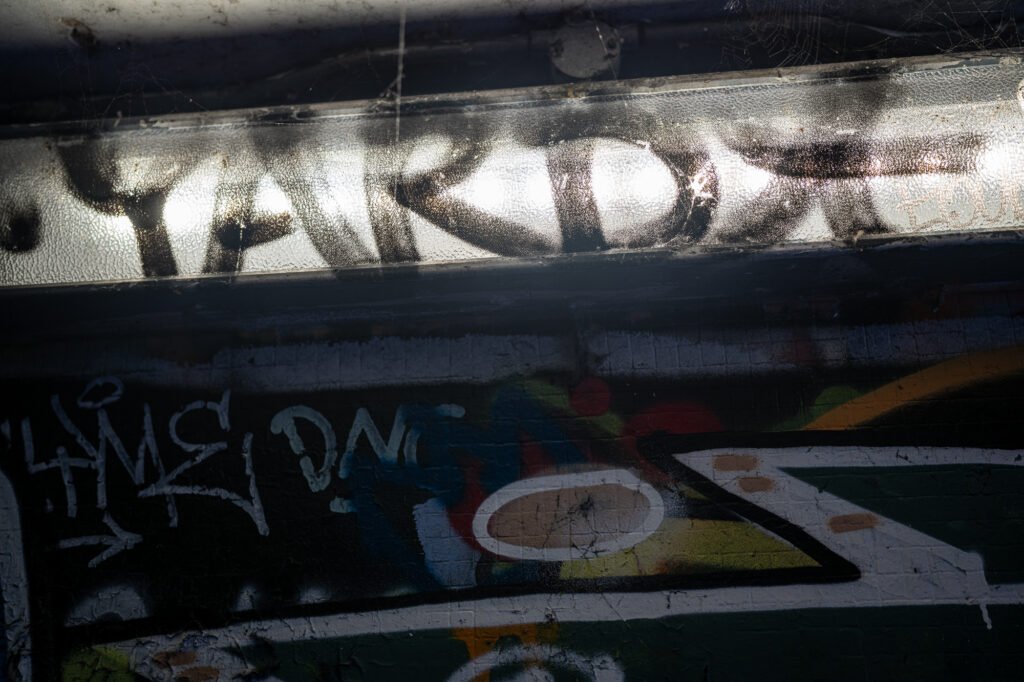
    The first part of this has been to visually explore the identity of the roundabout’s underpasses and its central space and collating images in a book-form PDF below.

    Graffiti has conventionally been regarded as ‘transgressive’ and I decide to call the PDF ‘Transgressive’.

    The quotations inside provide a broad view as to my own values with regard to my interest in photography and how I seek to practice as a photographer.

    .
  • Linguistic Landscape continued

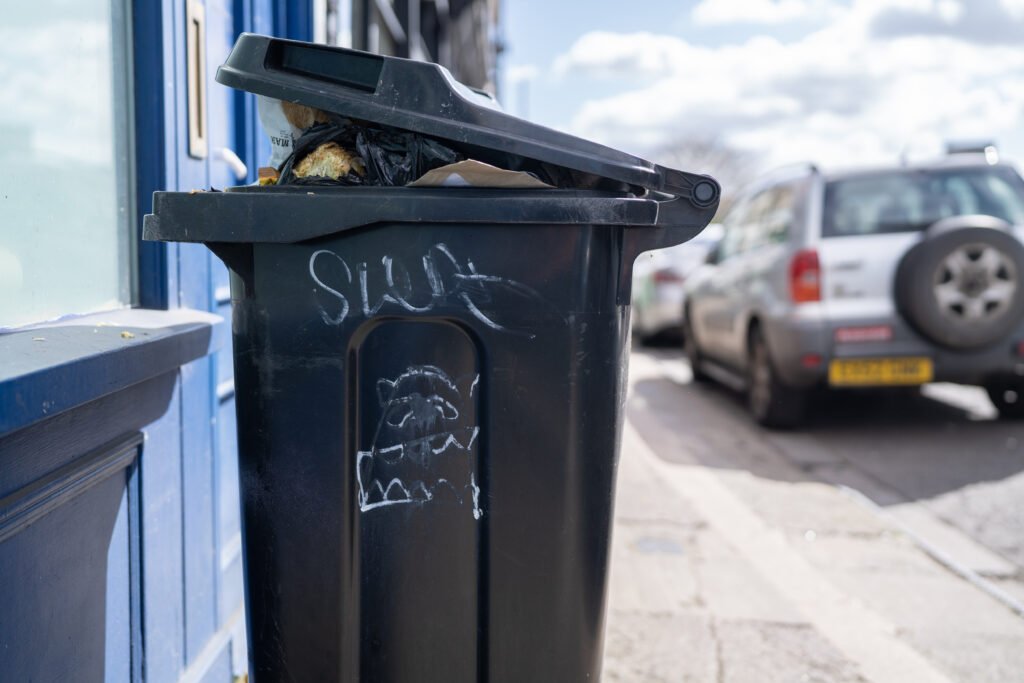
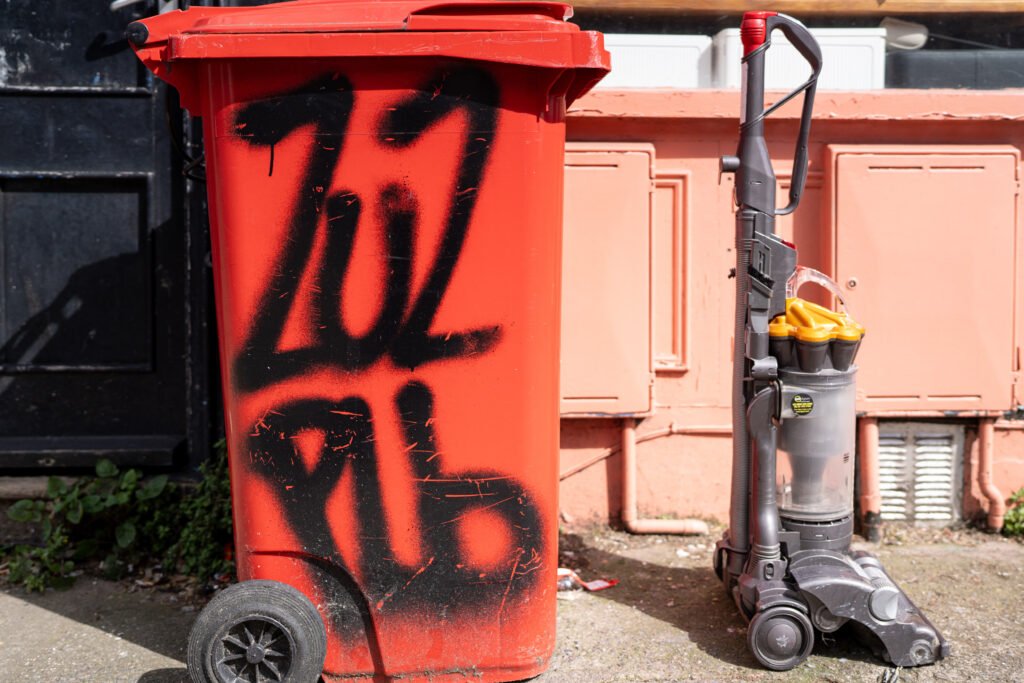
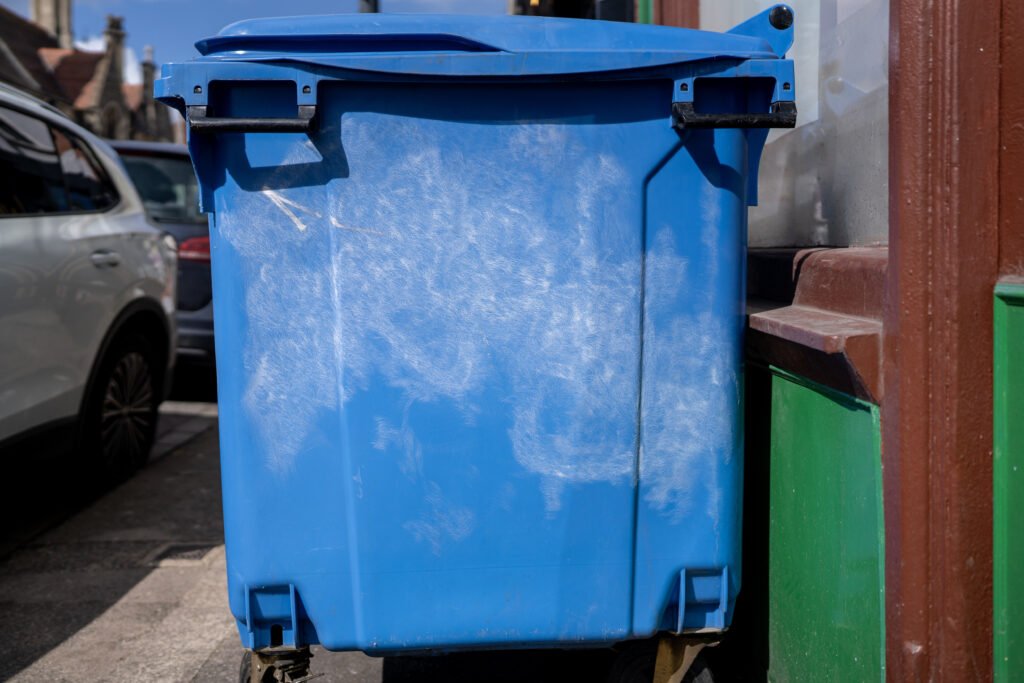
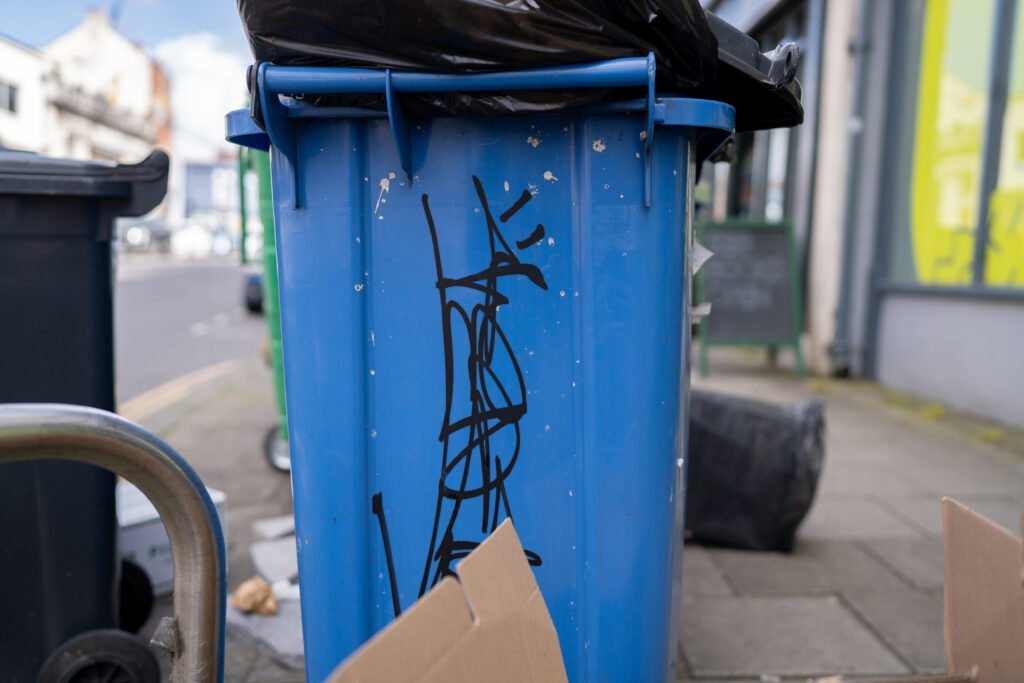
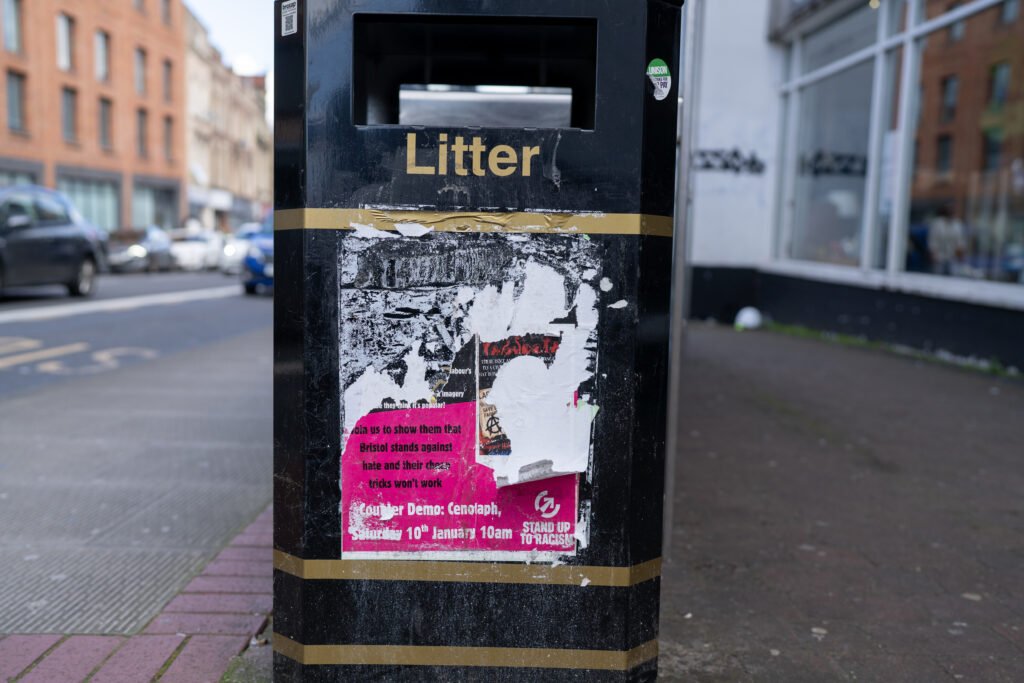
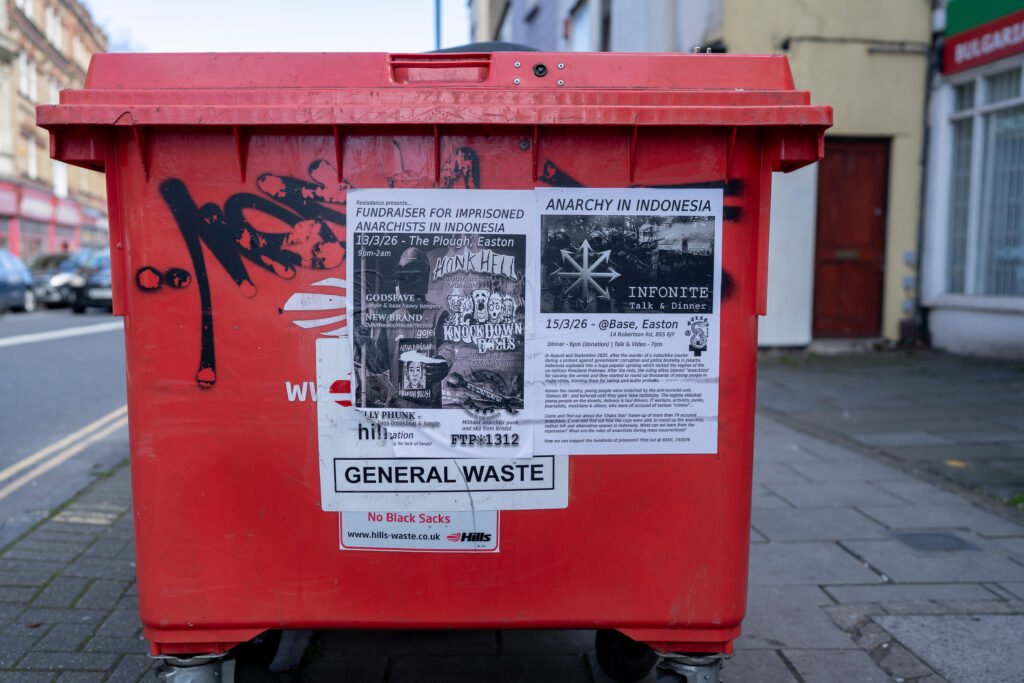
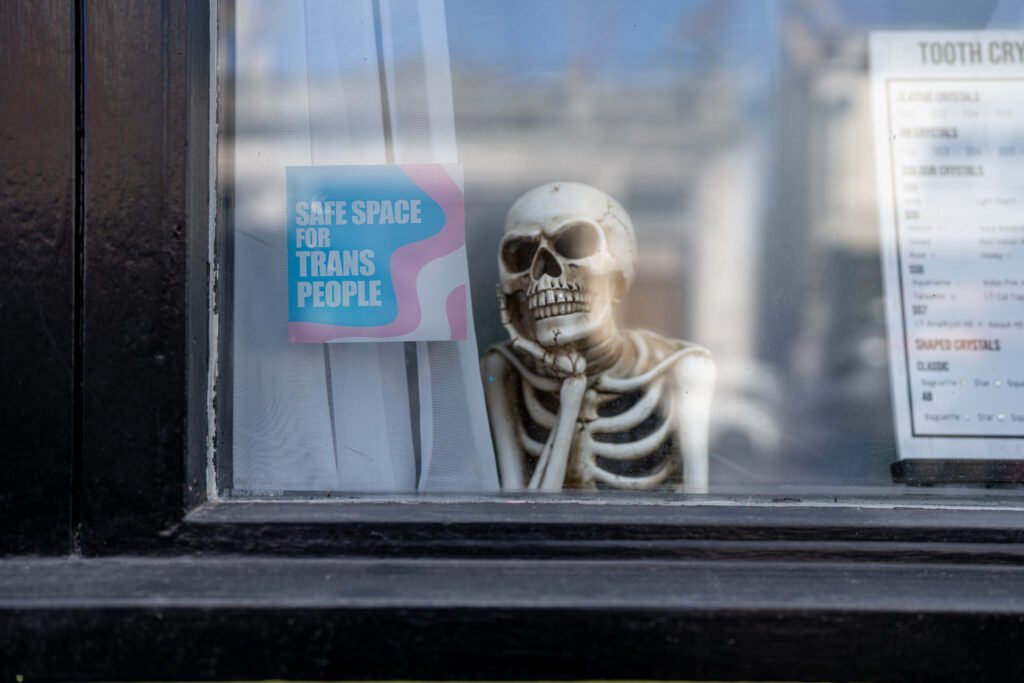
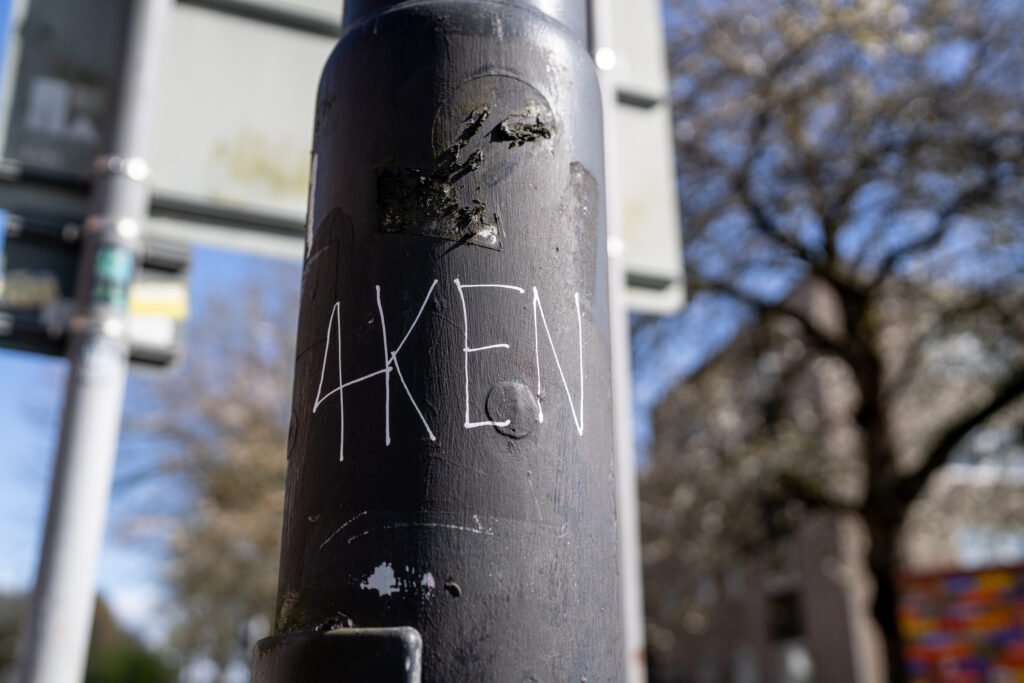
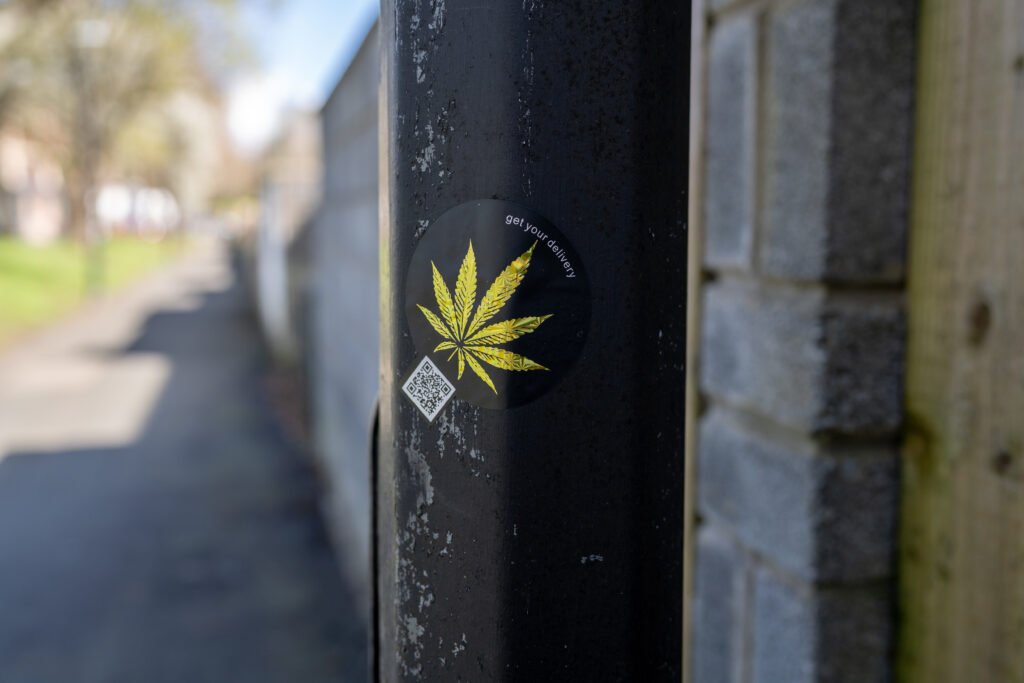
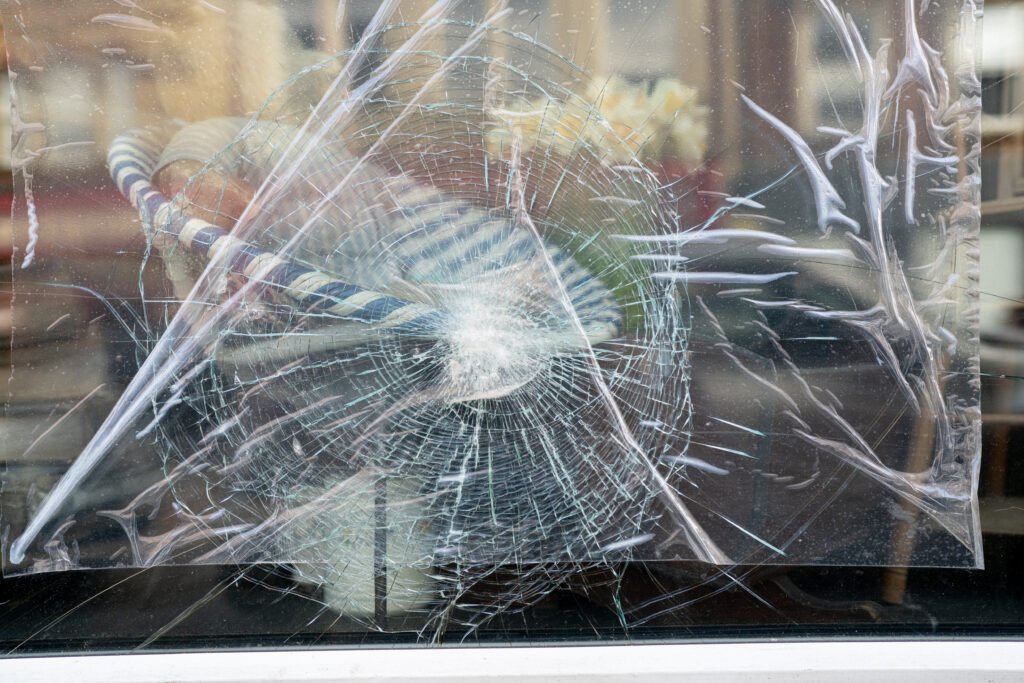
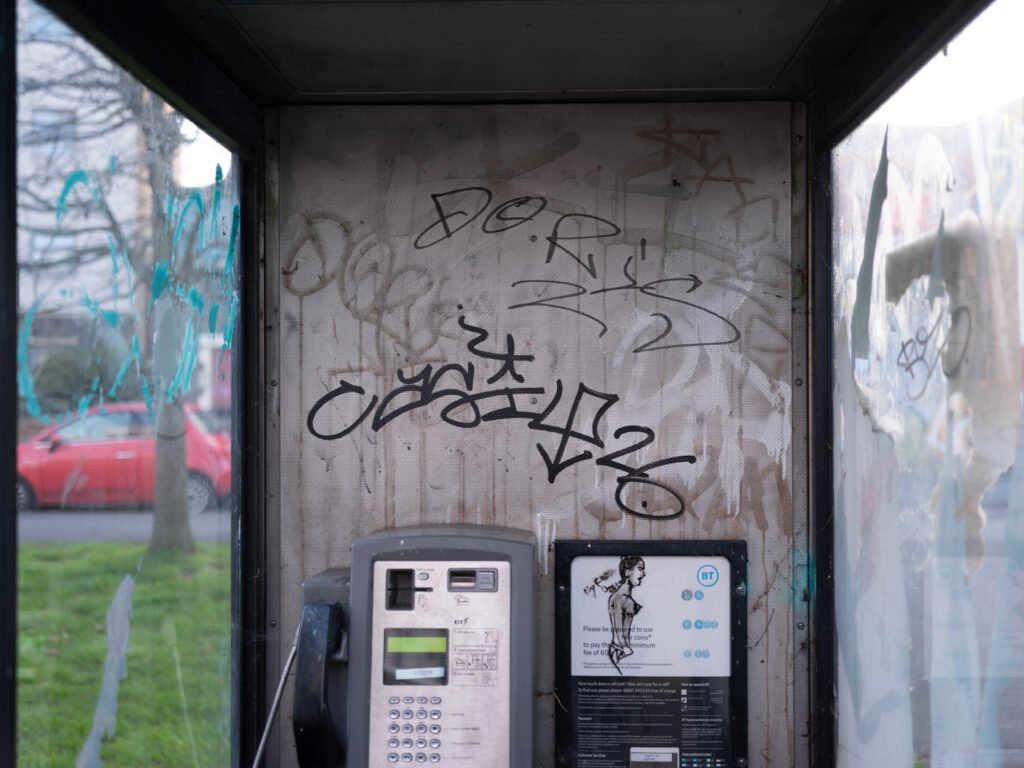
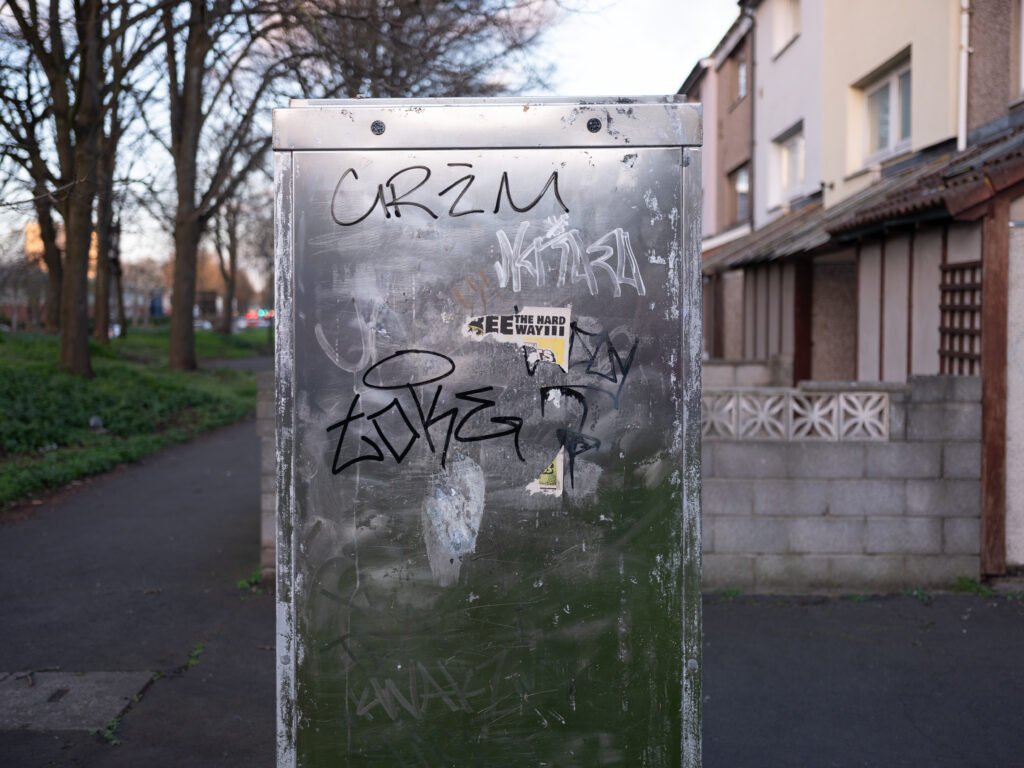
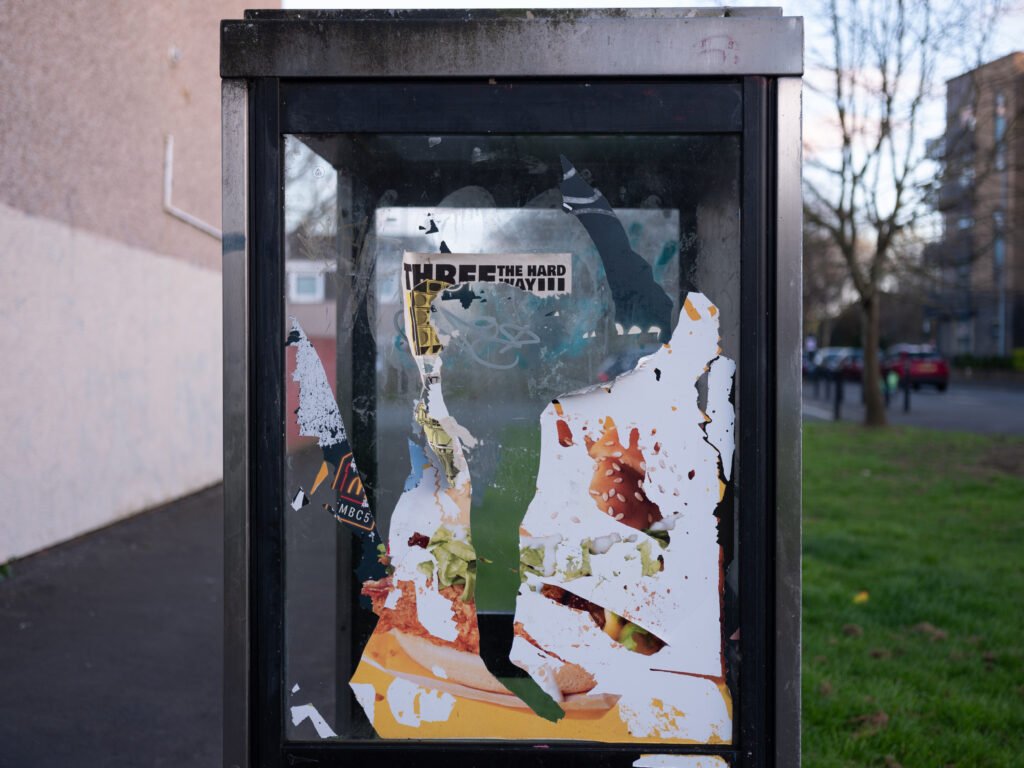
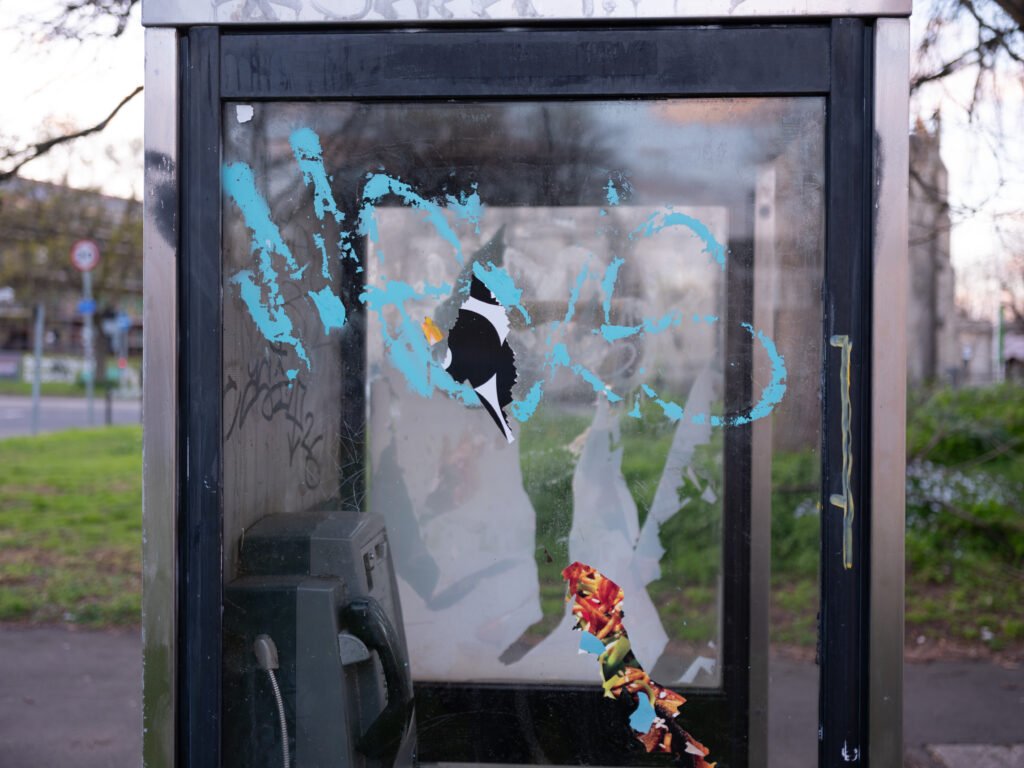
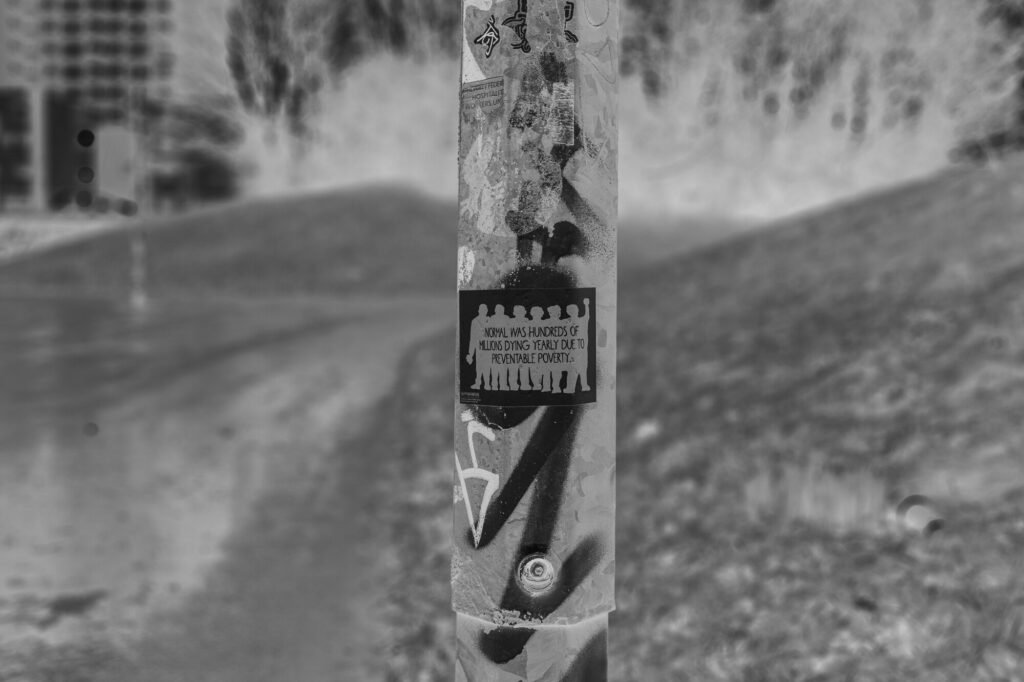
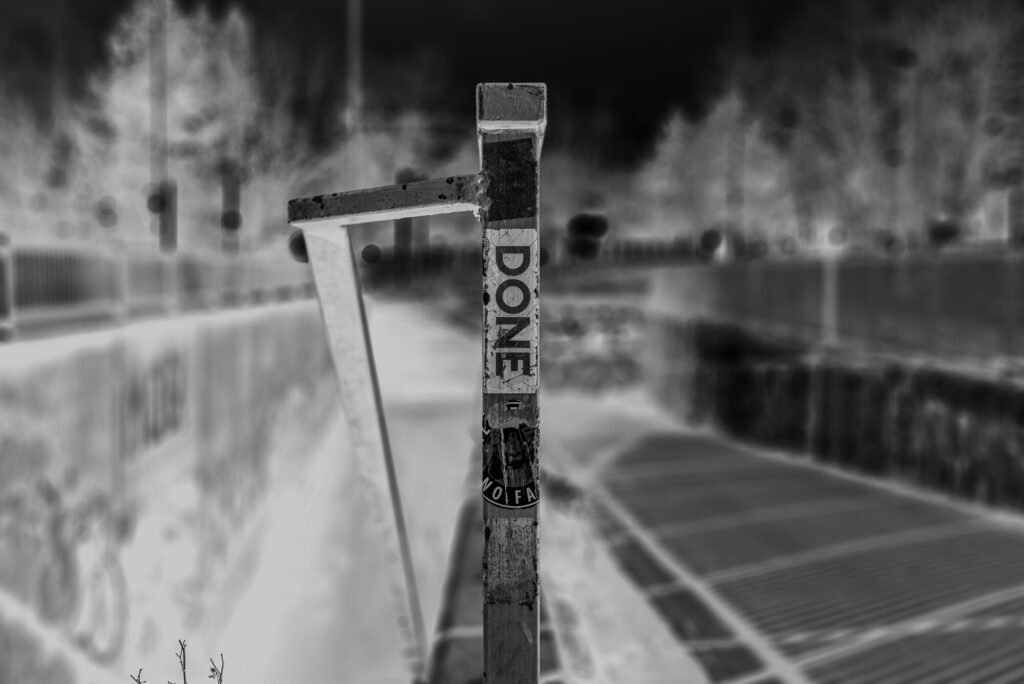
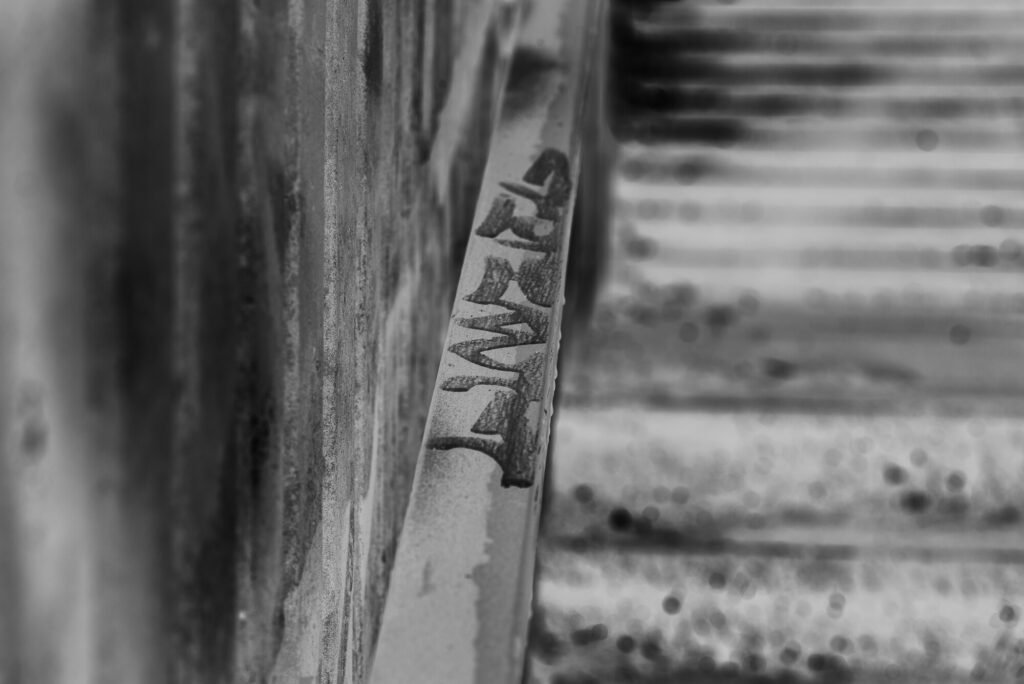
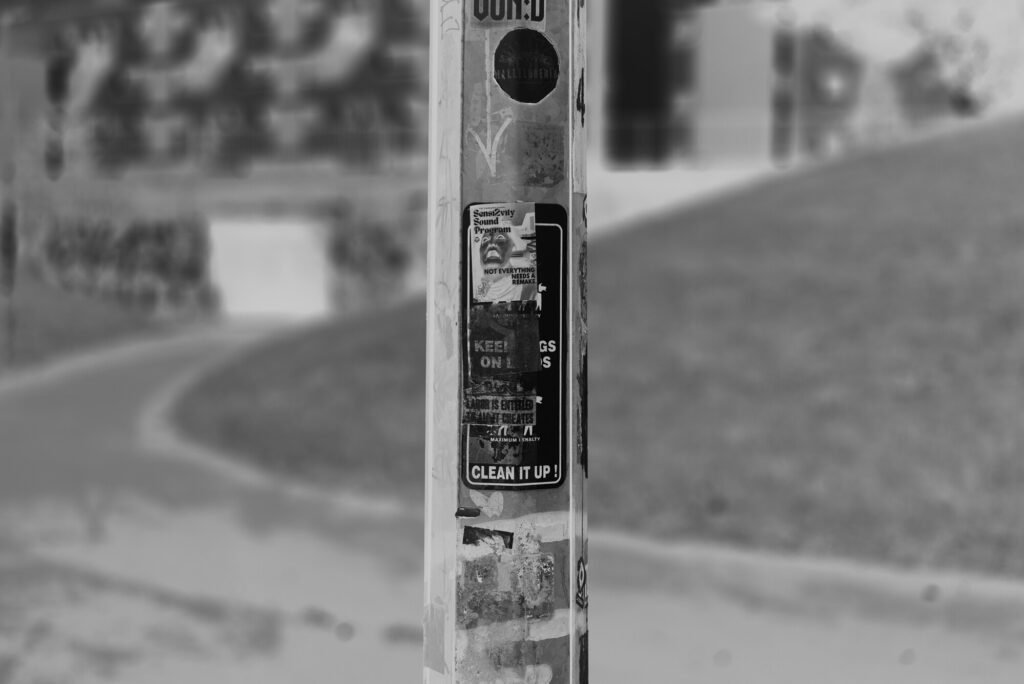
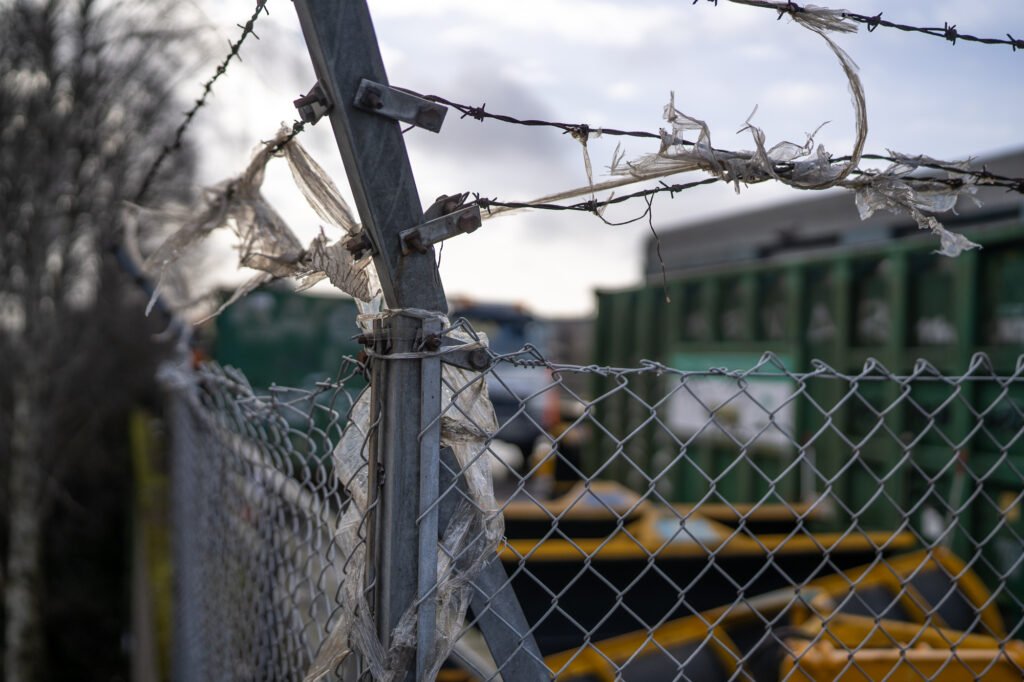
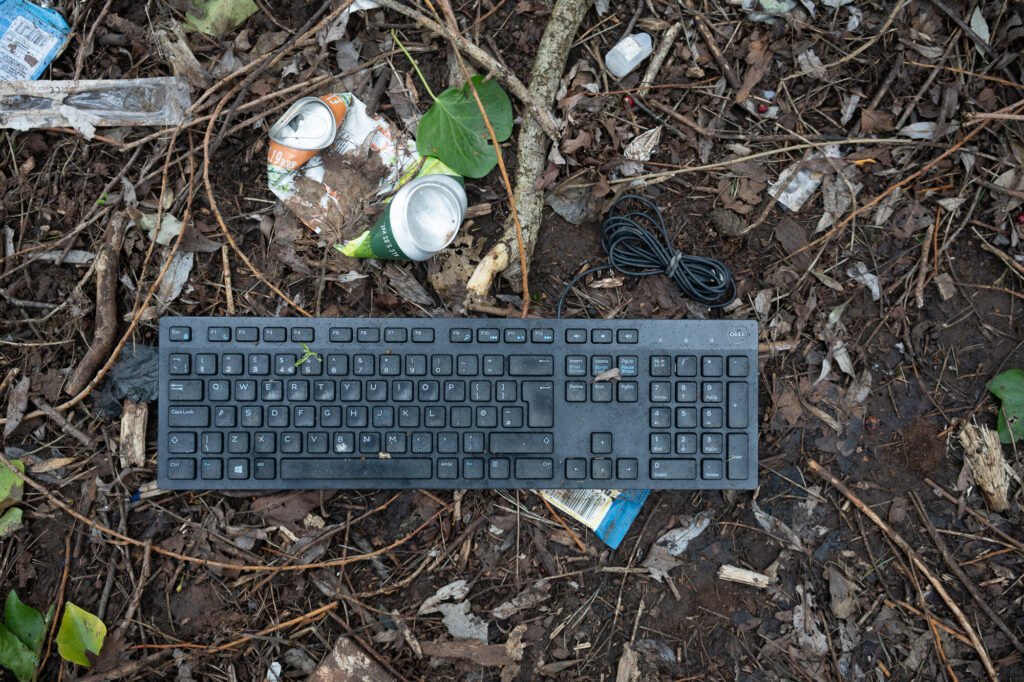
    I have continued documenting the signs, graffiti, calligraphy and interesting visual objects along the walk from Templemeads to Lawrence Hill Roundabout. Here is a selection from 28th March.
  • Methodology Review : Using the Materiality of Graffiti and Setting the Cyanotype Free

    I decided on my next journey to Bristol, I would make 2 changes to my methodology. This part of Innovate was effectively the second part of the project for me. It had become distilled into :

    Marrying a ‘linguistic landscape’ with the people passing through it.

    I was trying to conflate at least 2 identities.

    The two changes I considered were :

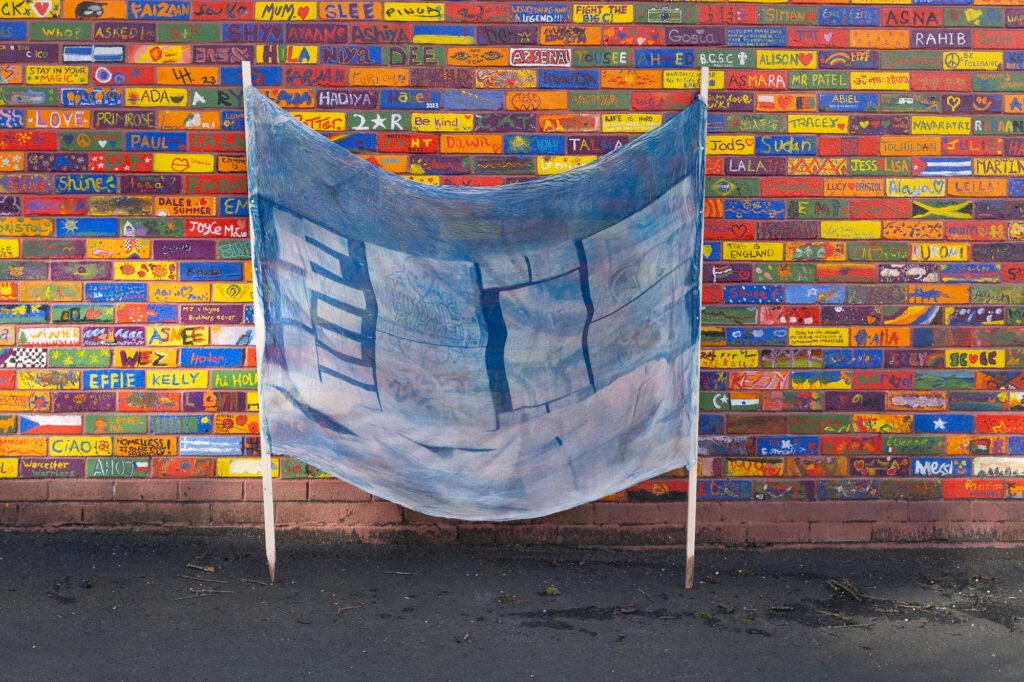
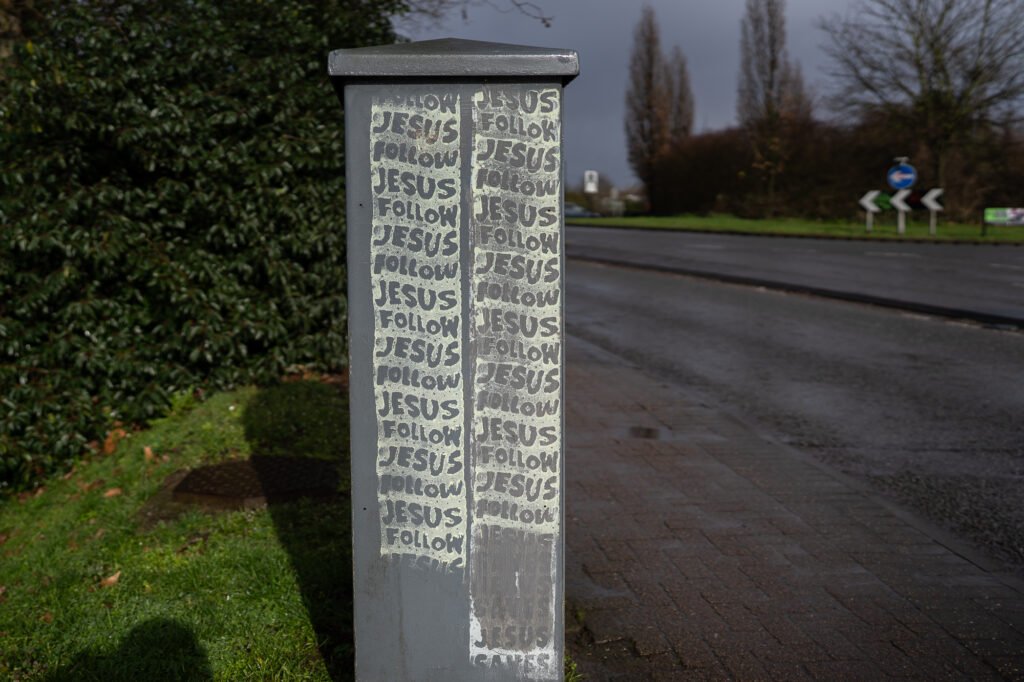
    Firstly I decided to complement the Cyanotype images with portraits which used the actual graffiti and materiality of the Roundabout as a backdrop.

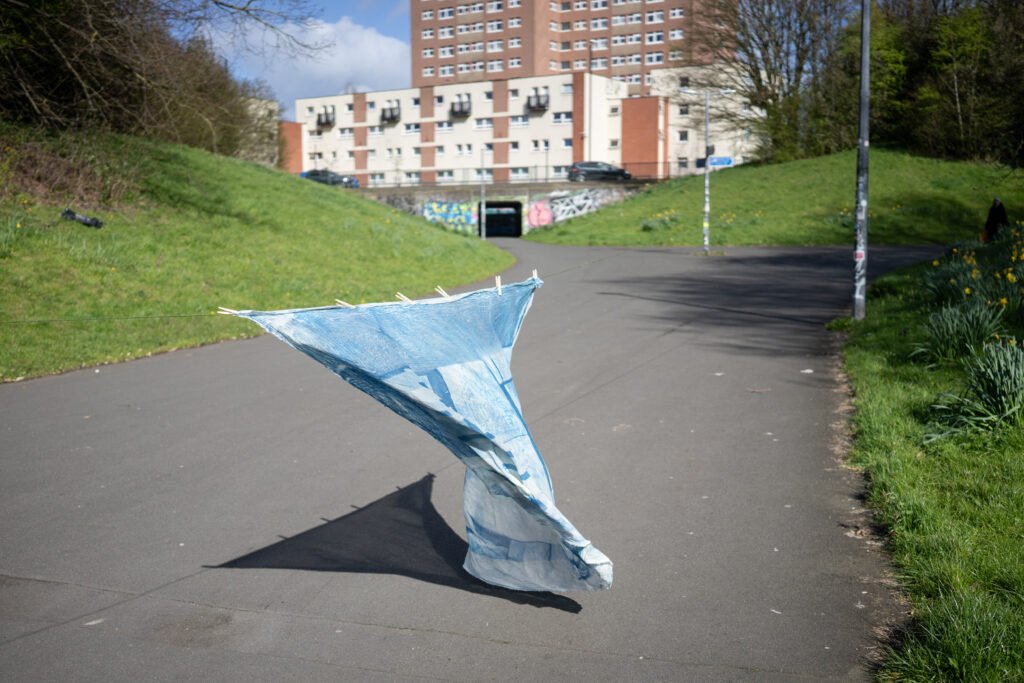
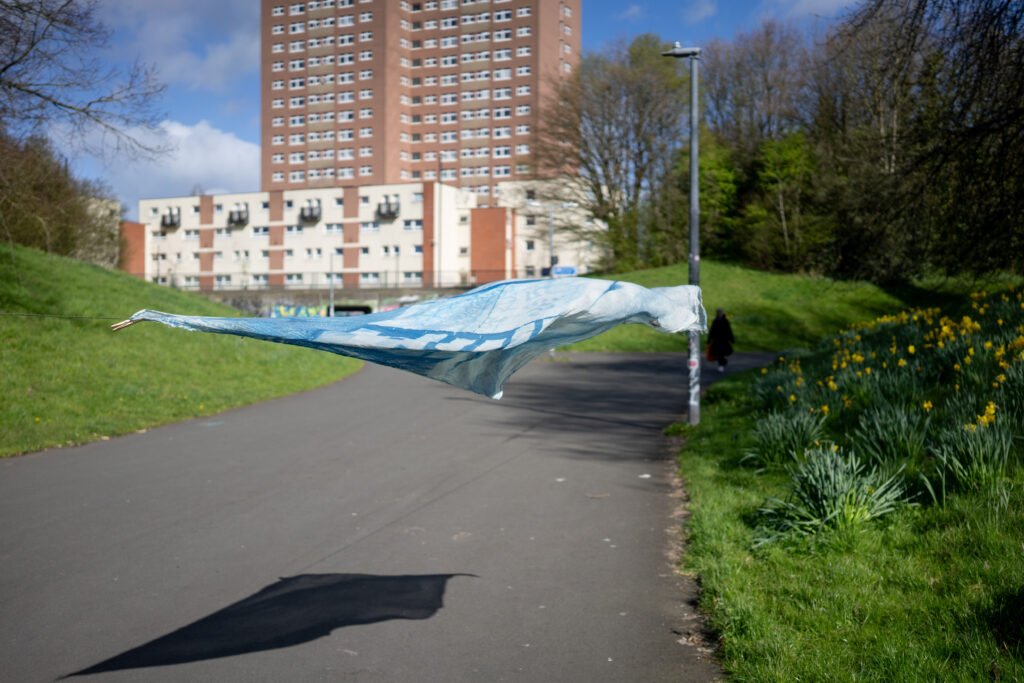
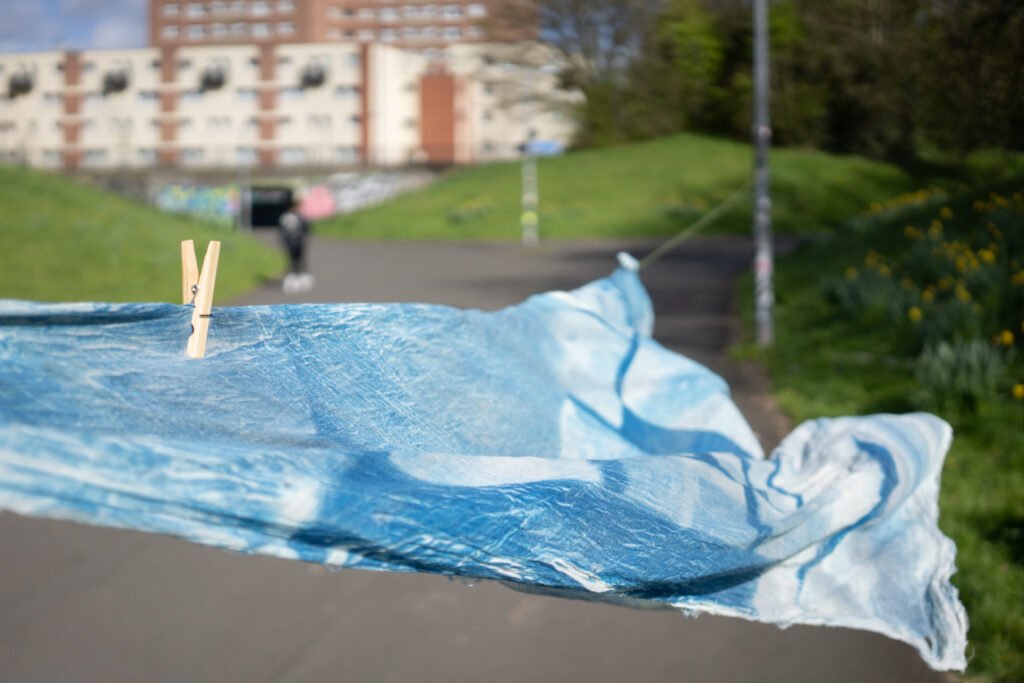
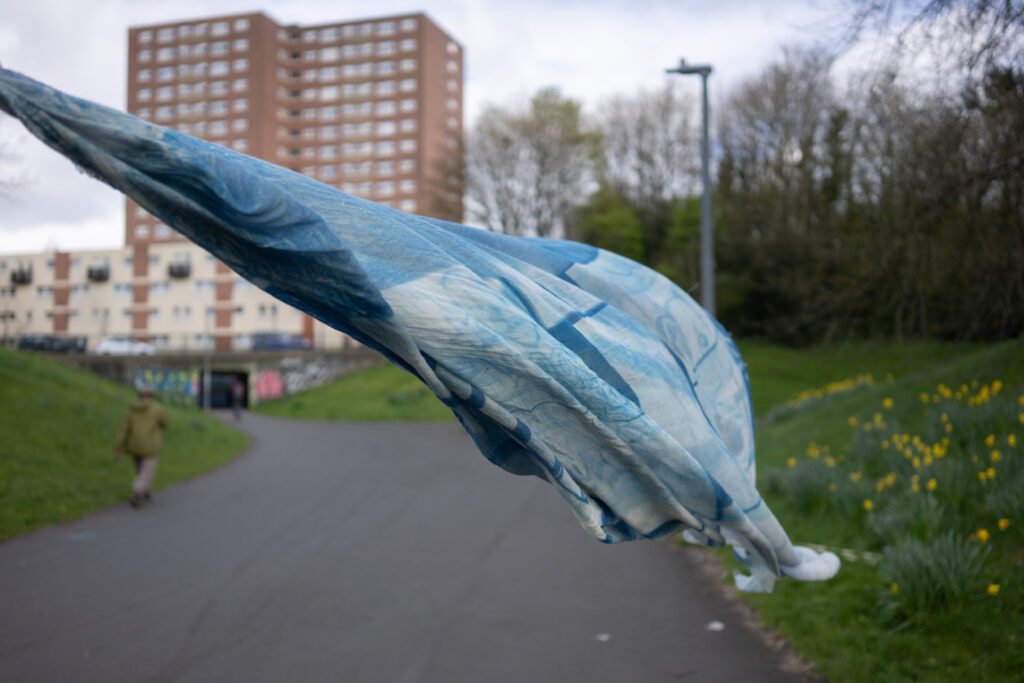
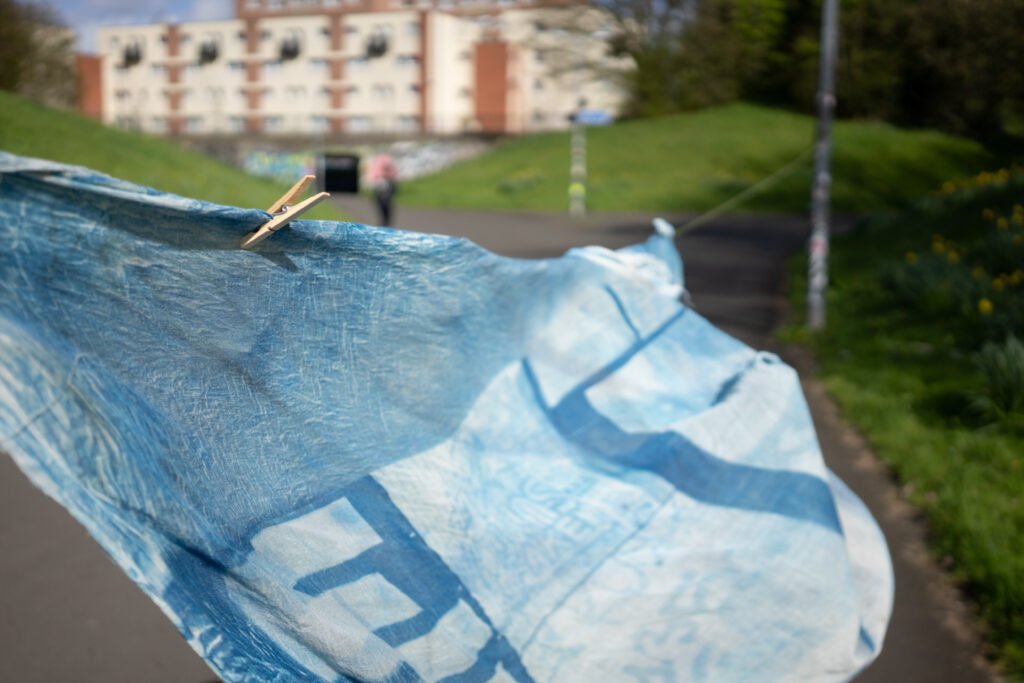
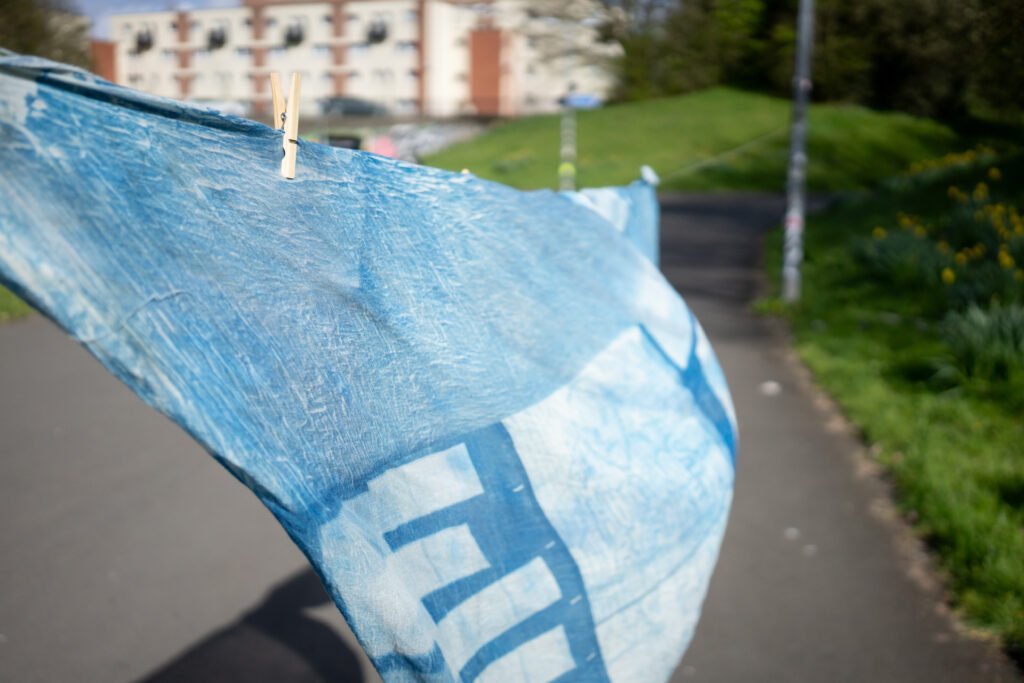
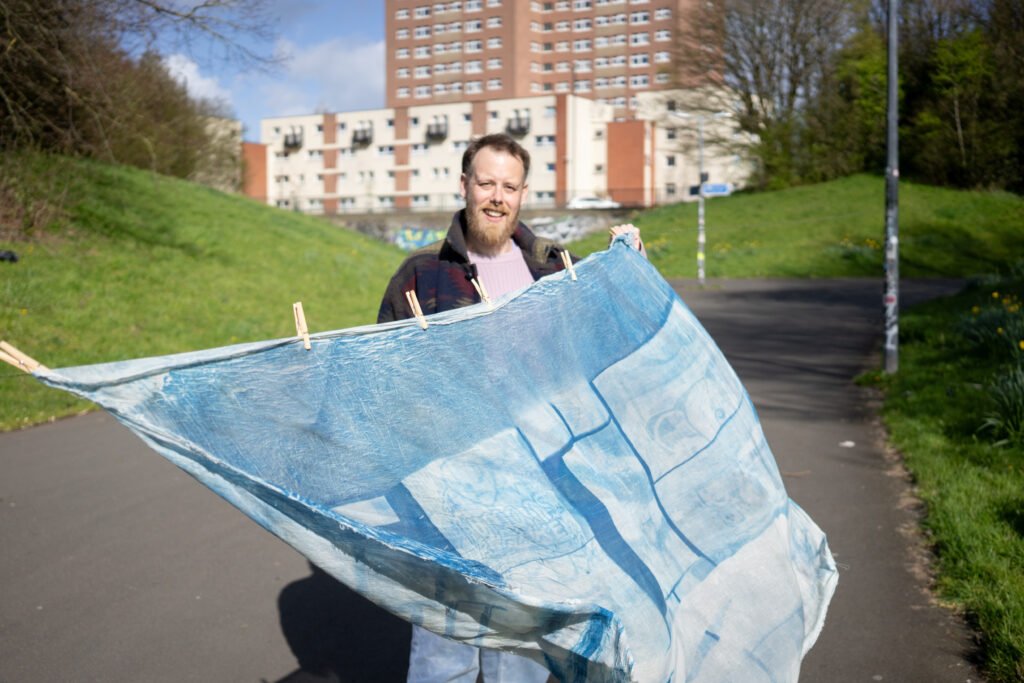
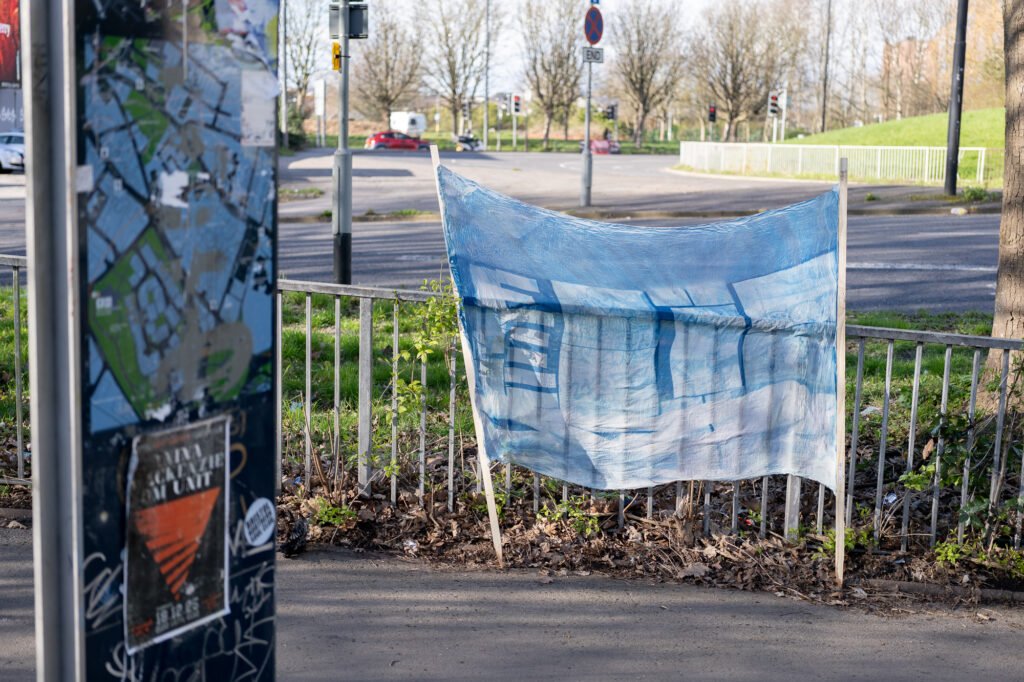
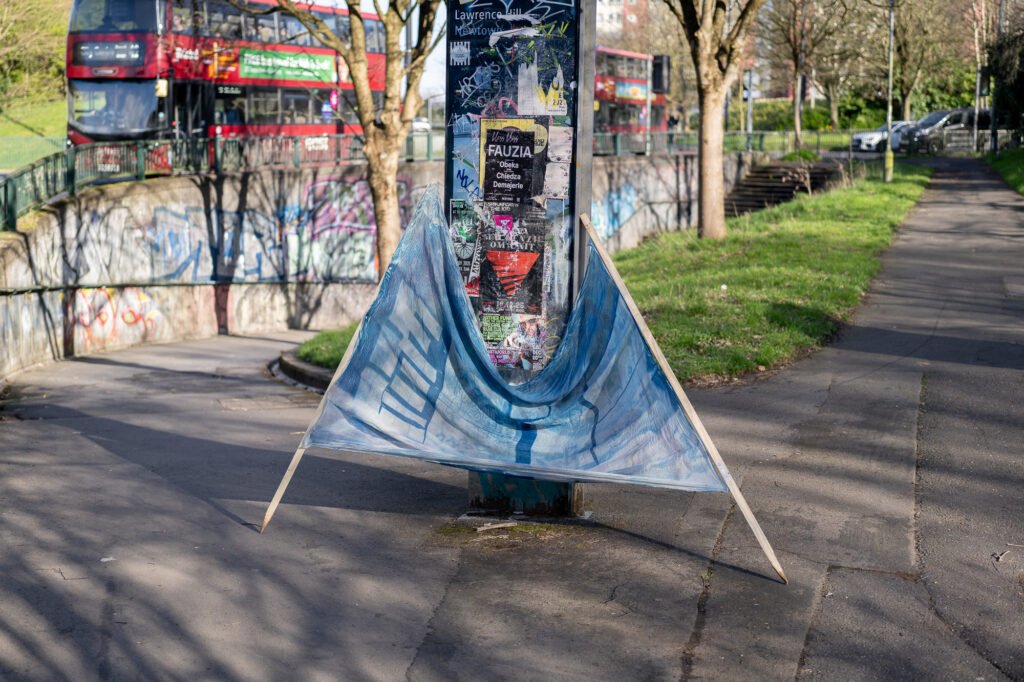
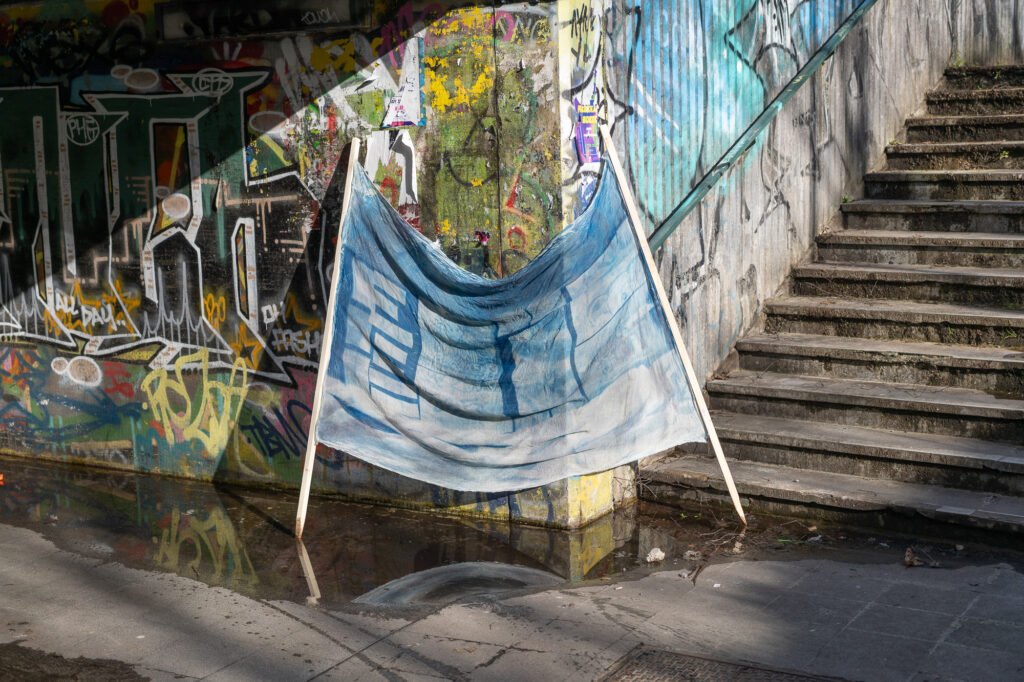
    Secondly, i considered the Cyanotype cloth in the first portraits to be inert, clumsy and as portrayed between 2 sticks in the ground, stolid. Symbolism should not be rooted to the earth, should not be grounded; as a metaphor it I consider it should be light, free floating and air-bound.

    I recalled the true meaning of the Spanish worde duende which described the process of flamenco as understood by the gitano population in Spain. Gypsies considered the term ‘duende‘ referred to the meta-physical process of drawing energy from substance and expelling the same energy as spirit through the medium of dance. ‘From Earth to Air’ seems a good analogy for a Cyanotype cloth to describe transition from the material to the symbolic.

    I went to Bristol on both 25th March and 28th March, both bright, cold and windy days.

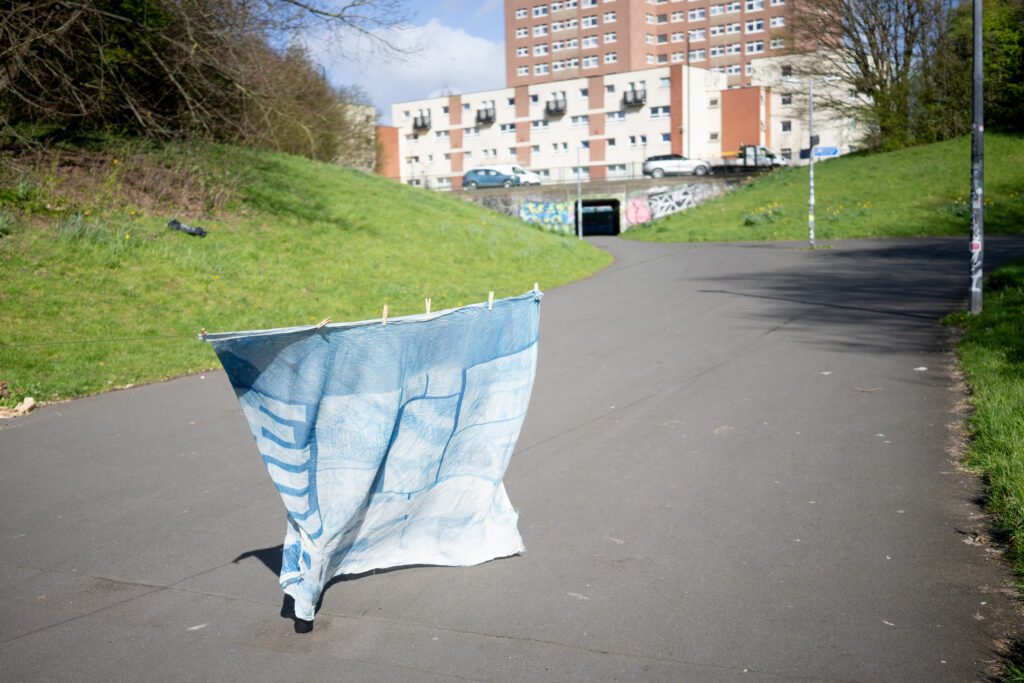
    I attached the Cyanotype cloth to a string had I fastened between lamp-posts at the centre of the Underpasses and tried to photograph between the gusts. It was impossible; the cloth was never still.

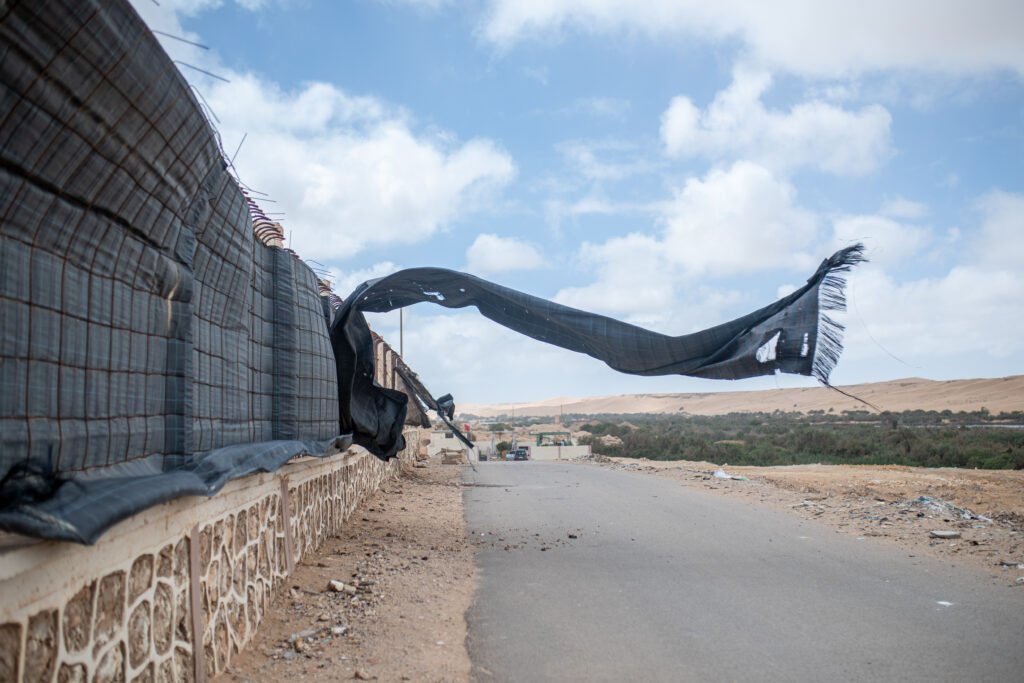
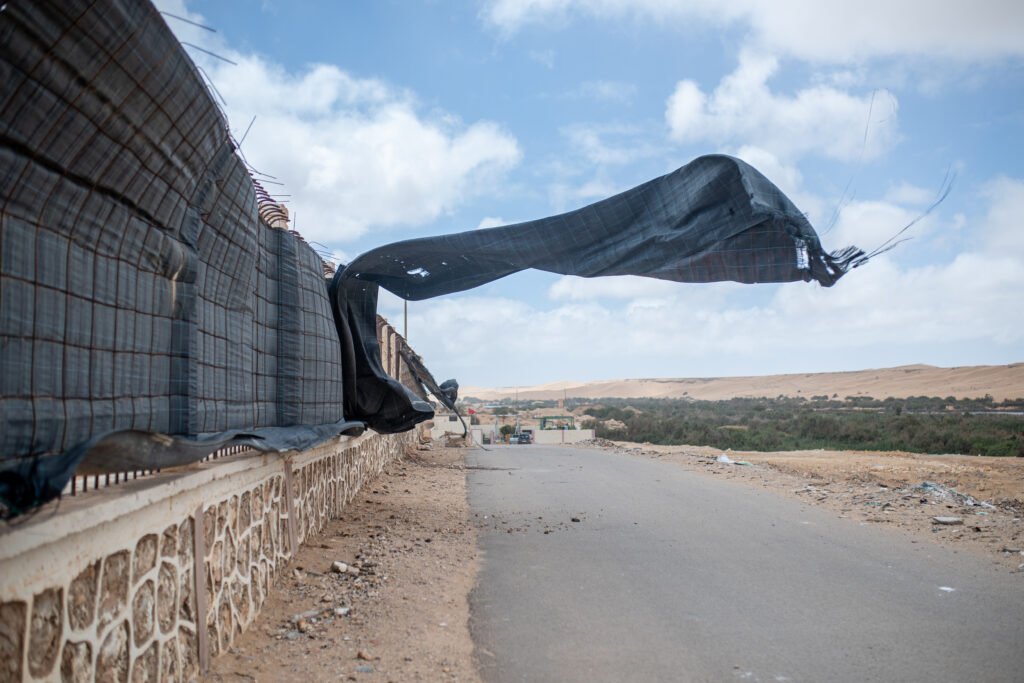
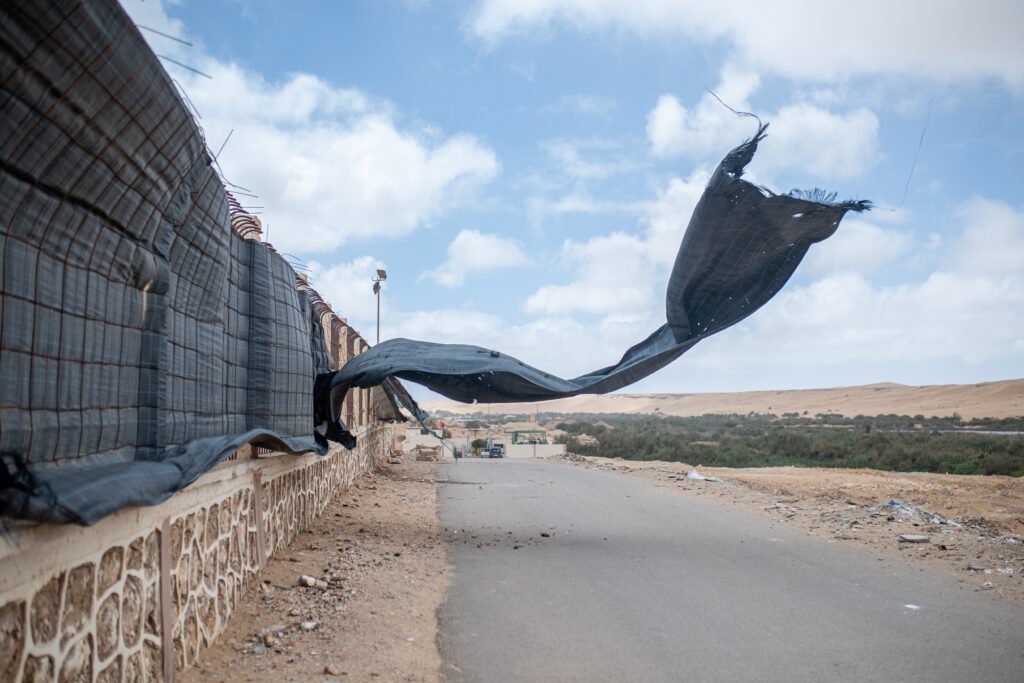
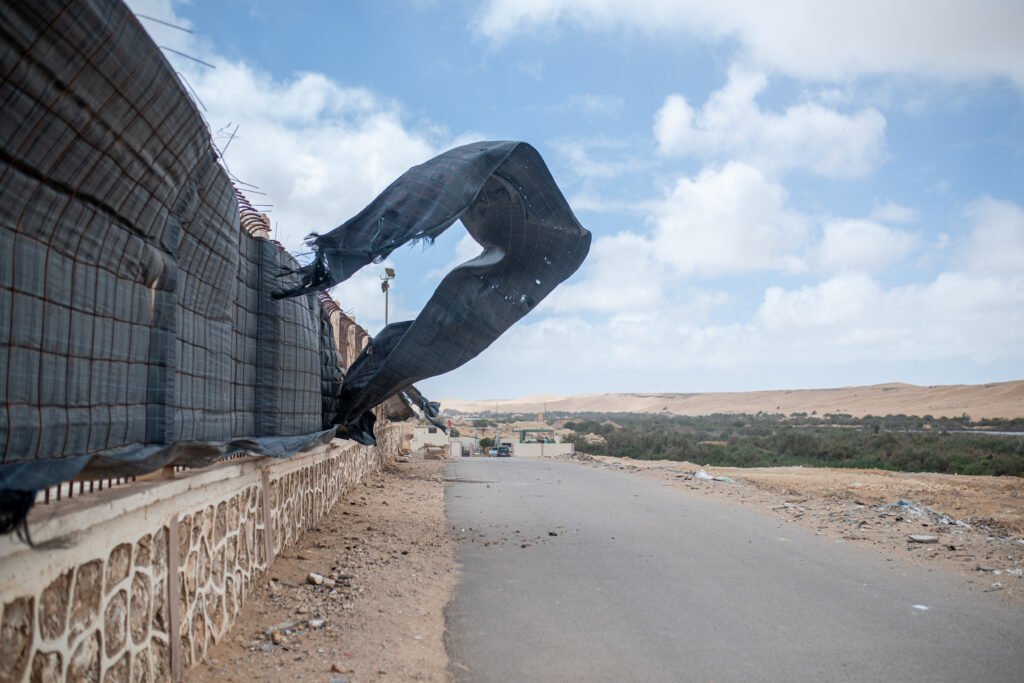
    I feel it is always important for photographers to be aware of similar, overlapping creative processes even if those experiences occur at different times and places. Photographing the Cyanotype cloth in such a strong wind reminded me intrusively of photographing a flapping piece of fence in west Africa in 2025.

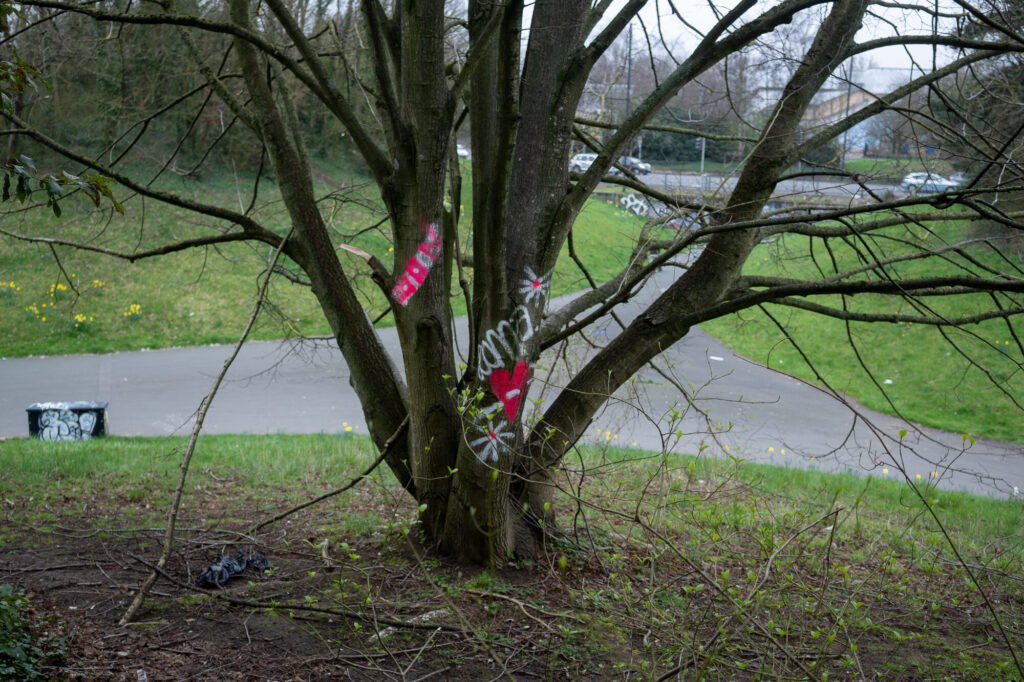
    I decided to delay using the Cyanotype cloth hanging from string until a calmer day, I decided to make my first portraits using different parts of the local materiality, choosing several underpasses and lamp-posts rich in graffiti. I repeated the same process on the 28th March.

  • Protected: First Portraits

    This content is password-protected. To view it, please enter the password below.

  • On the Hilltops

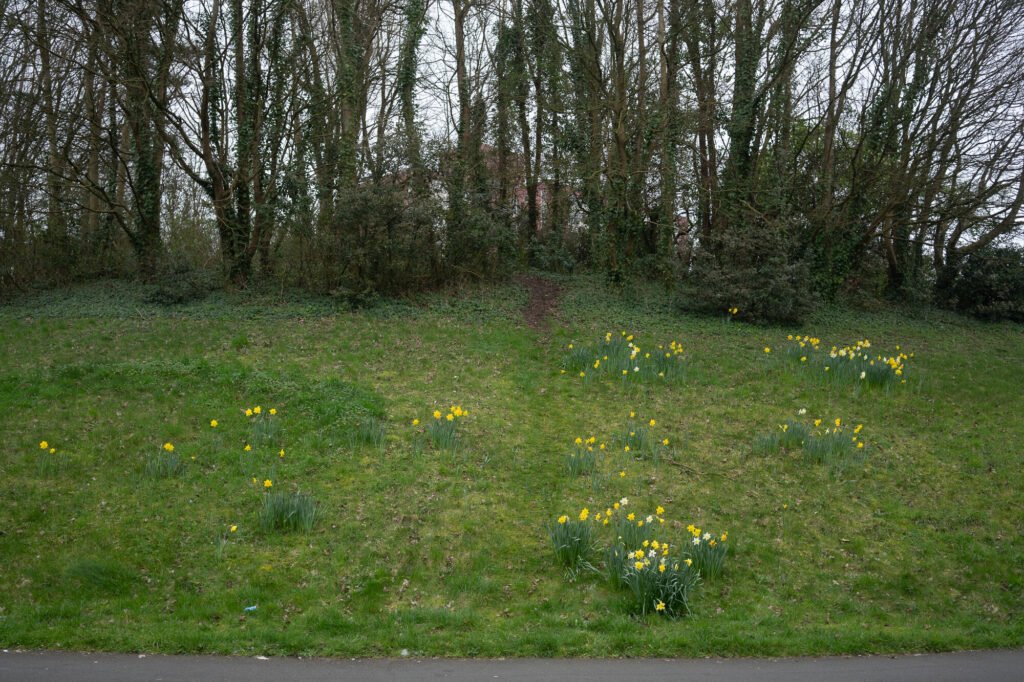
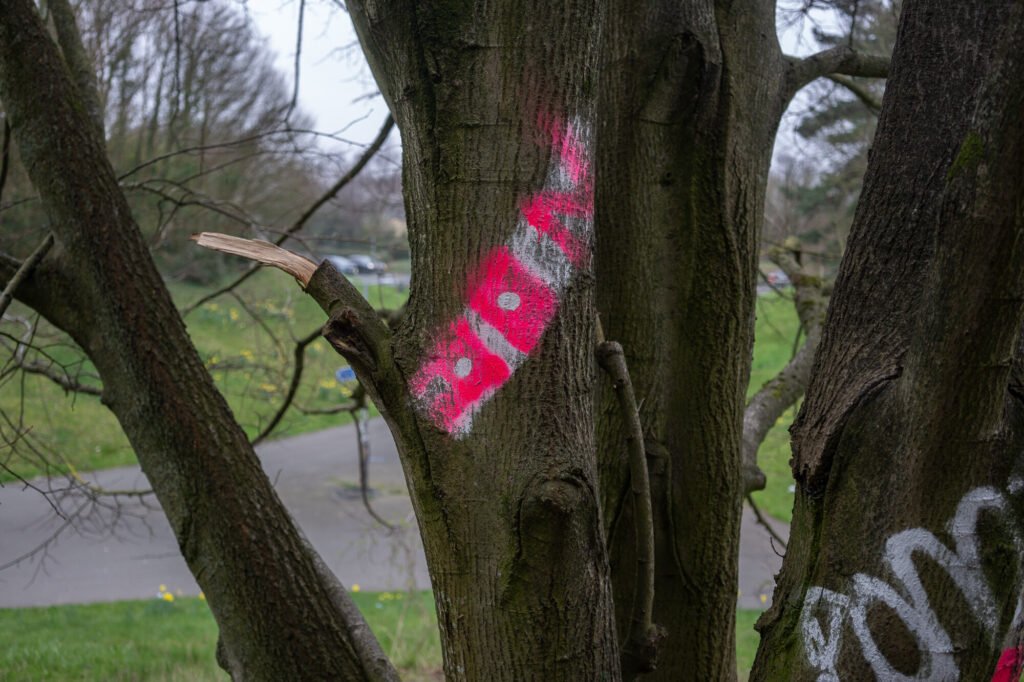
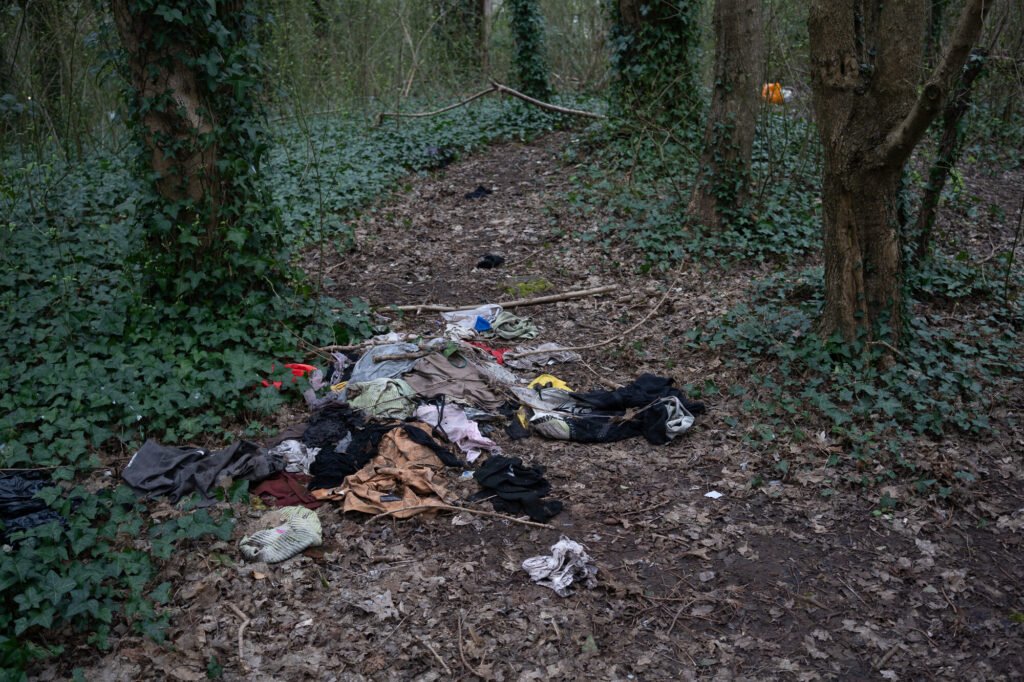
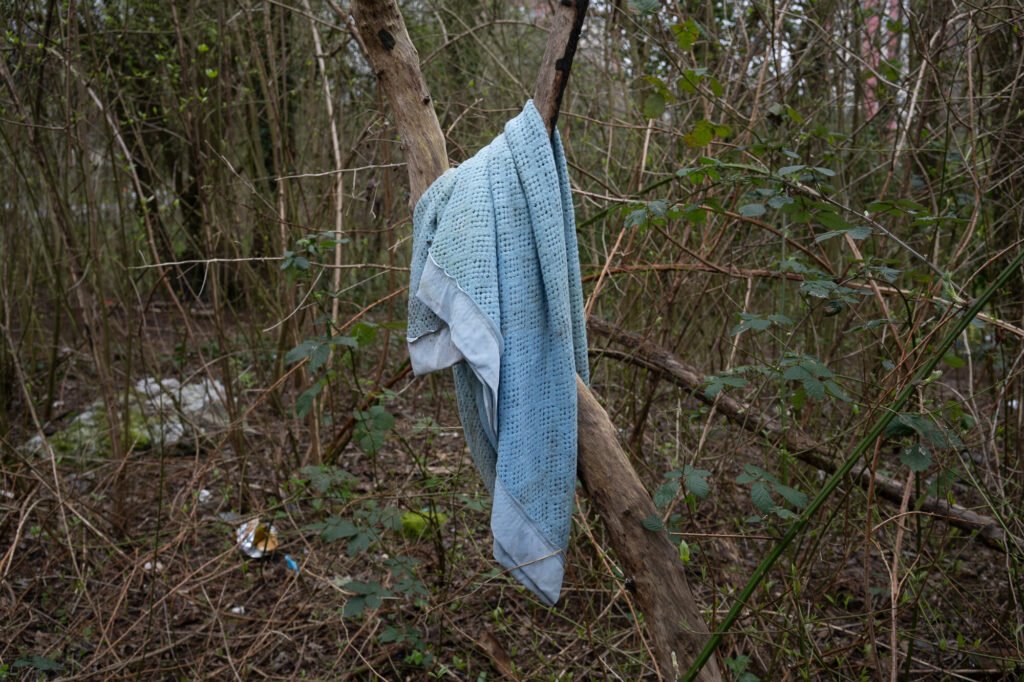
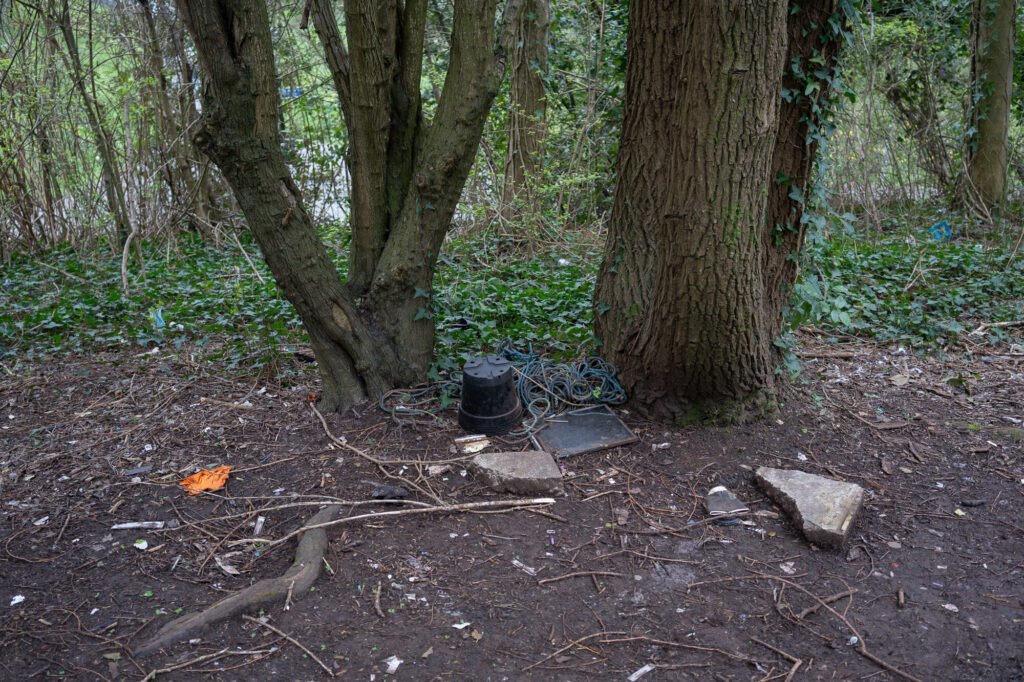
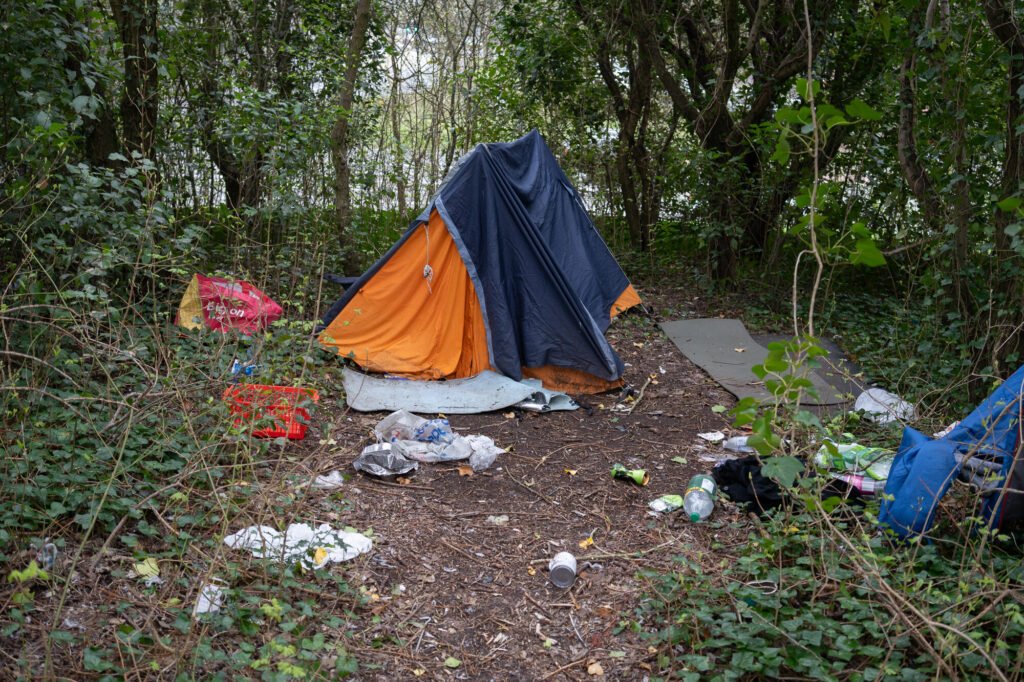
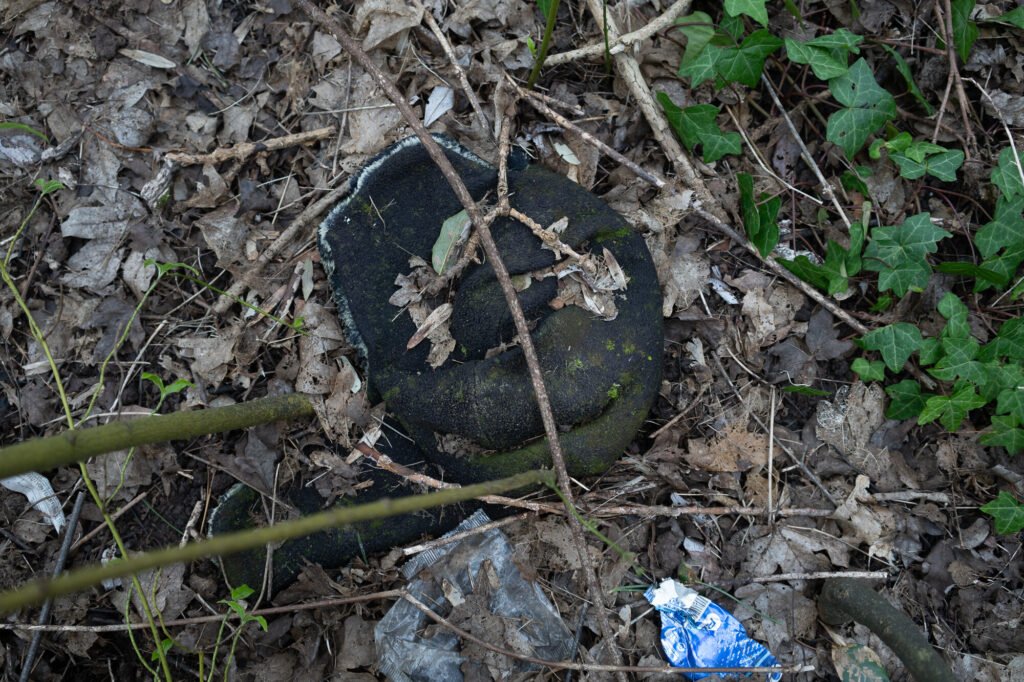
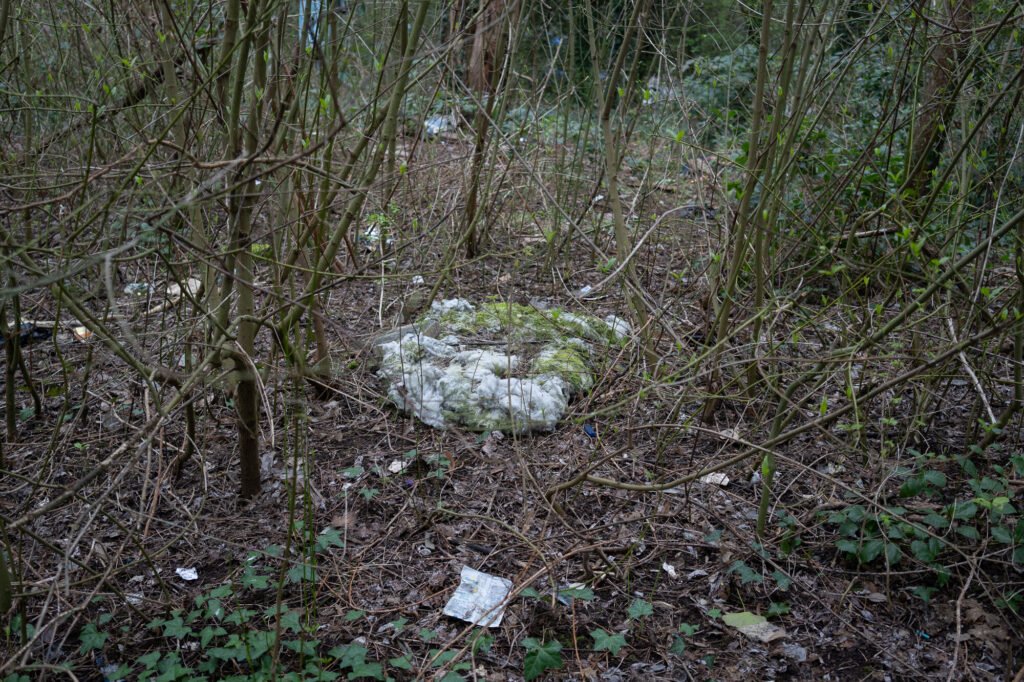
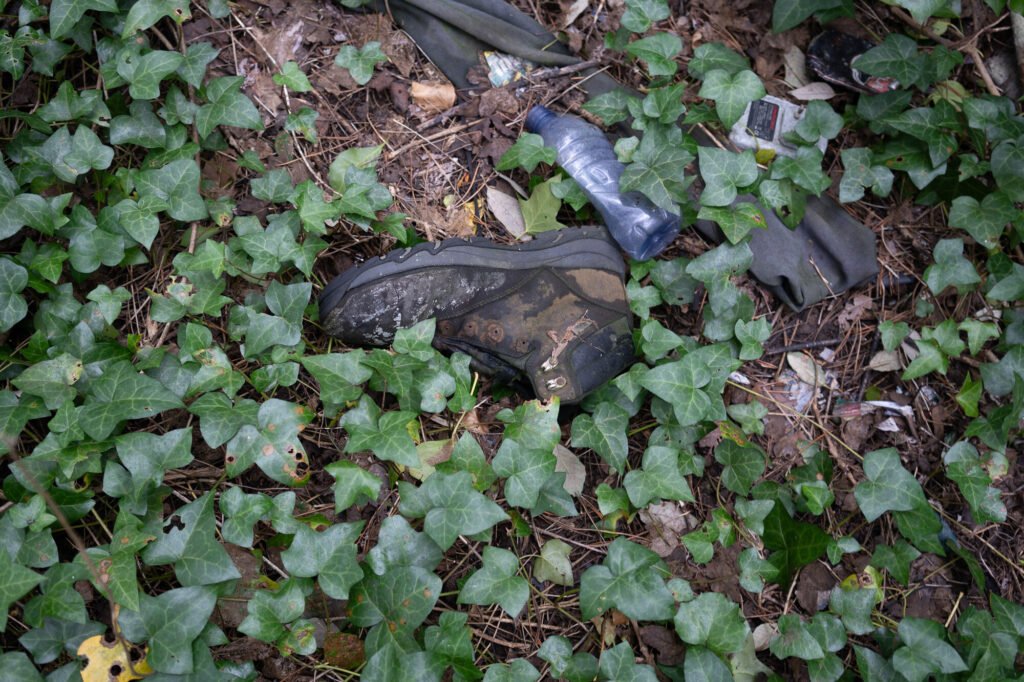
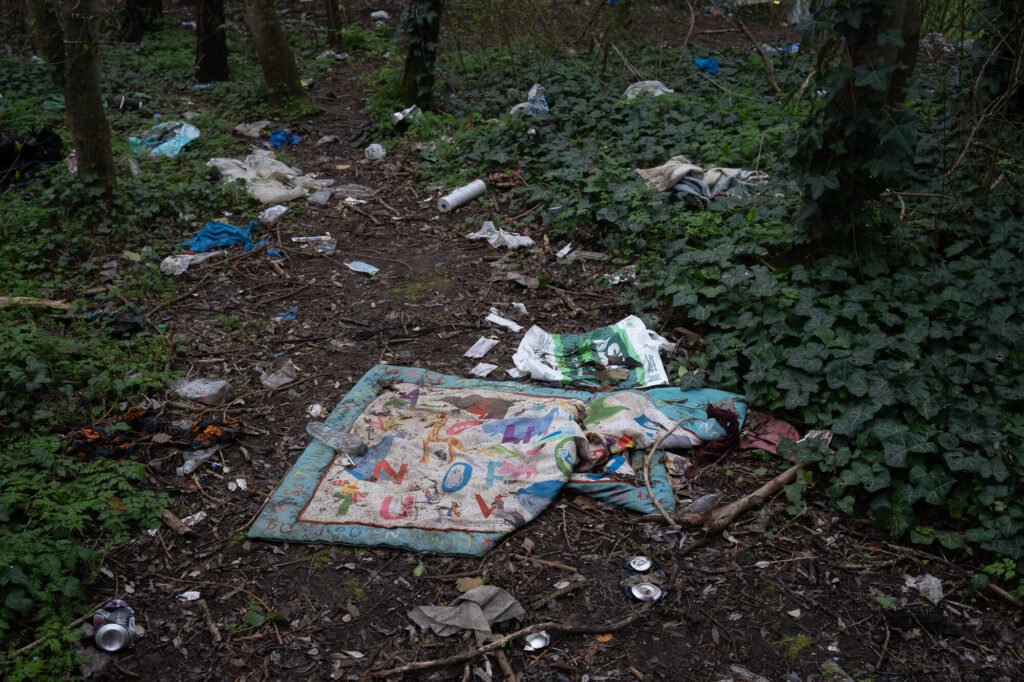
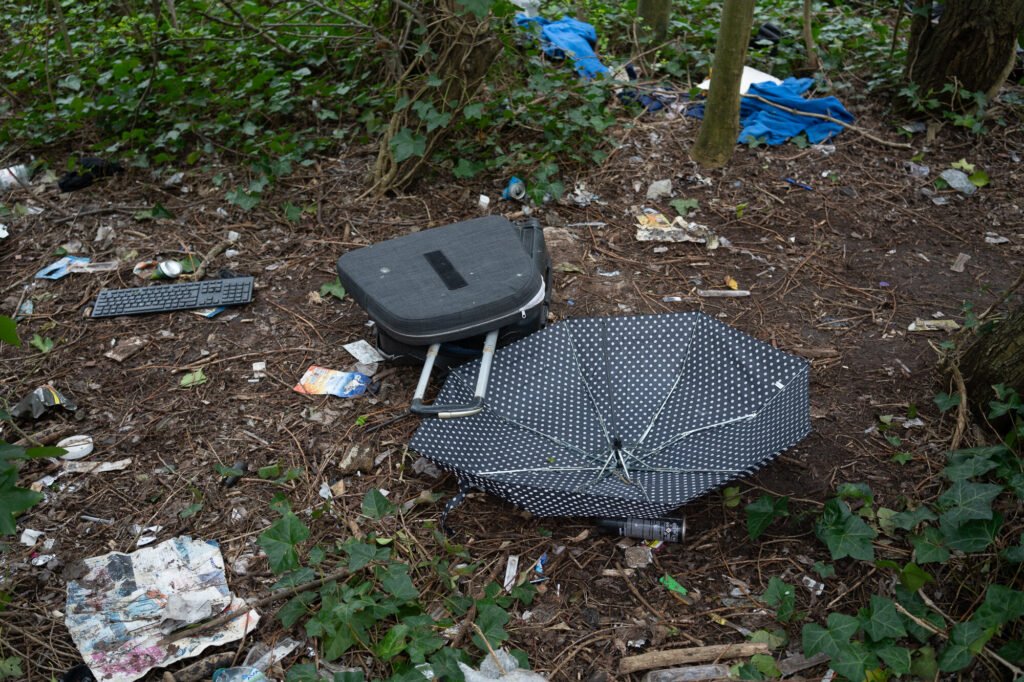
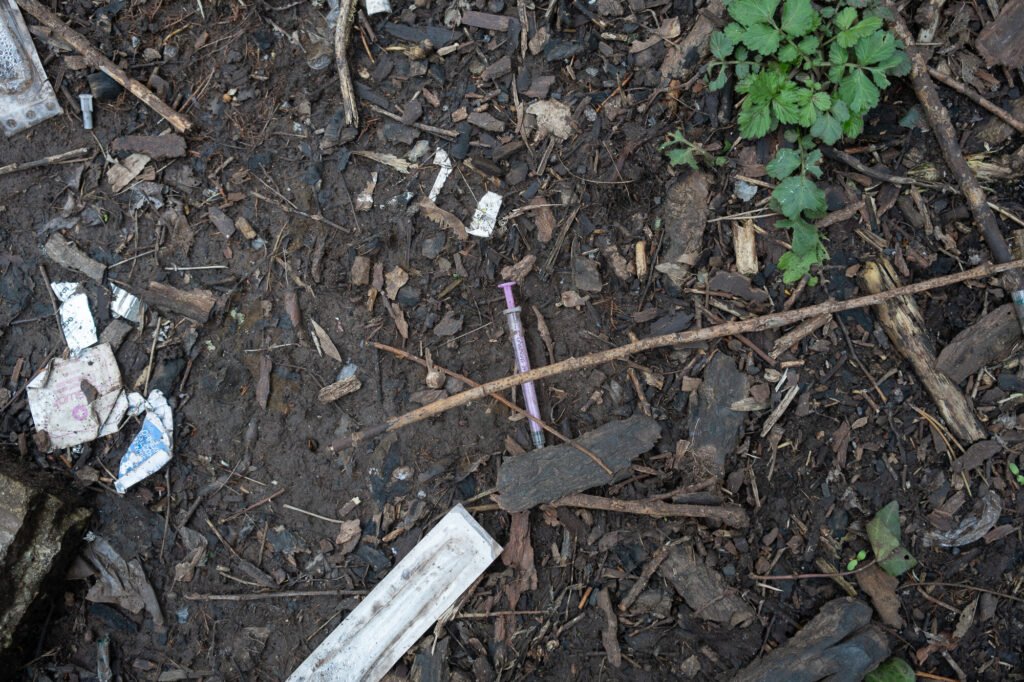
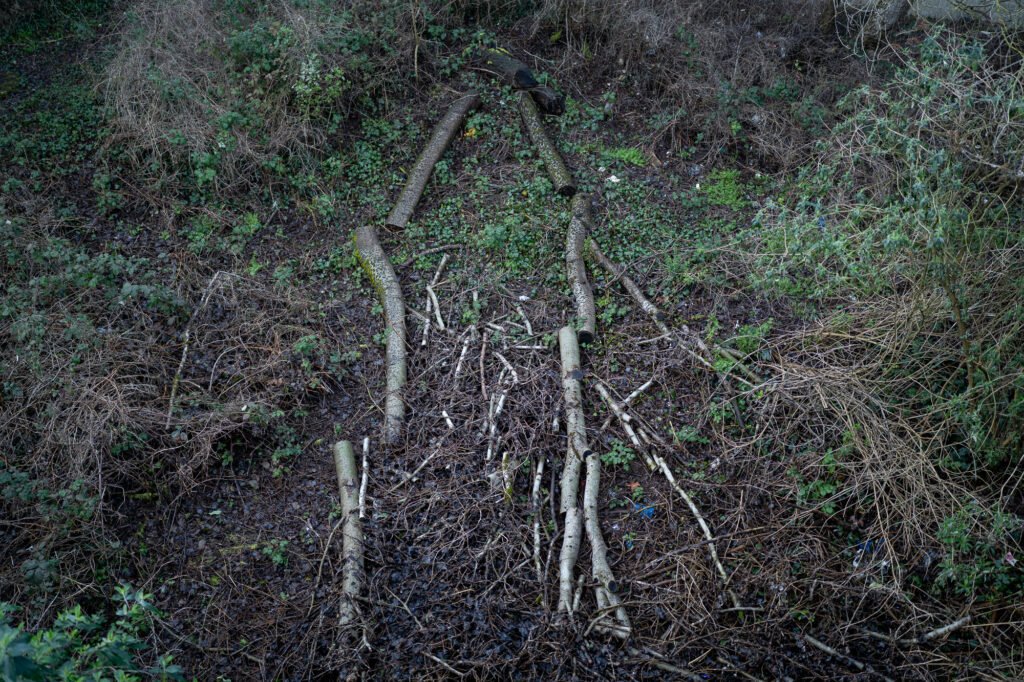
    There are 5 large mounds enclosed within the Roundabout space. For a long time i ignored them, thinking they were just a featureless part of the landscape. I decided to investigate and have a closer look.

    I climbed 3 of the five and each contained a surprisingly large space at the top with evidence of habitation.

    I took these images.

  • A Cyanotype Abroad

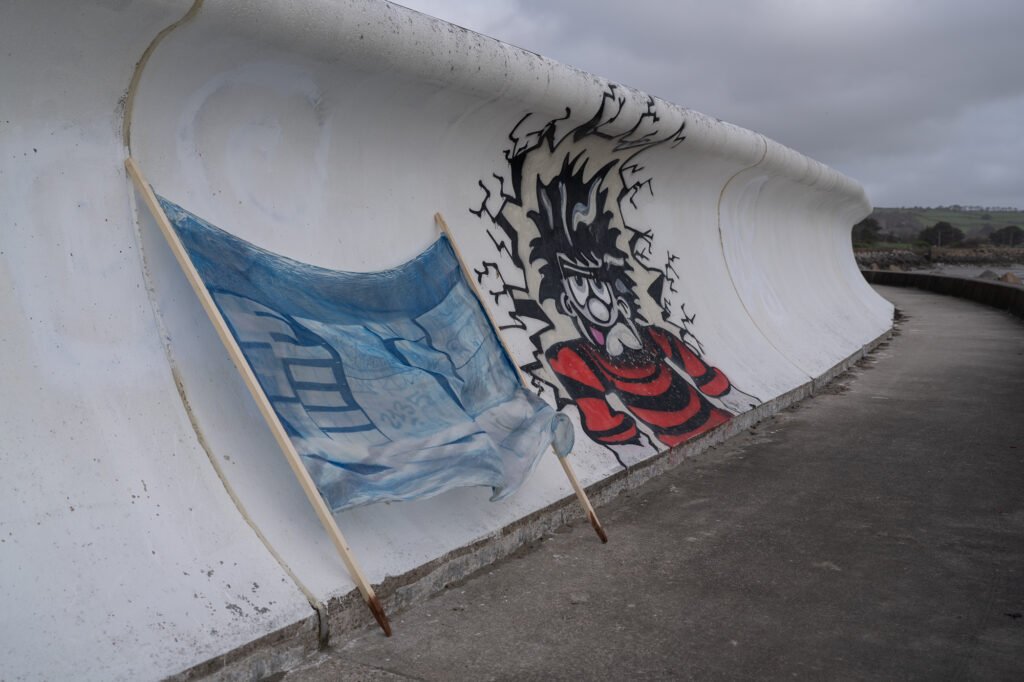
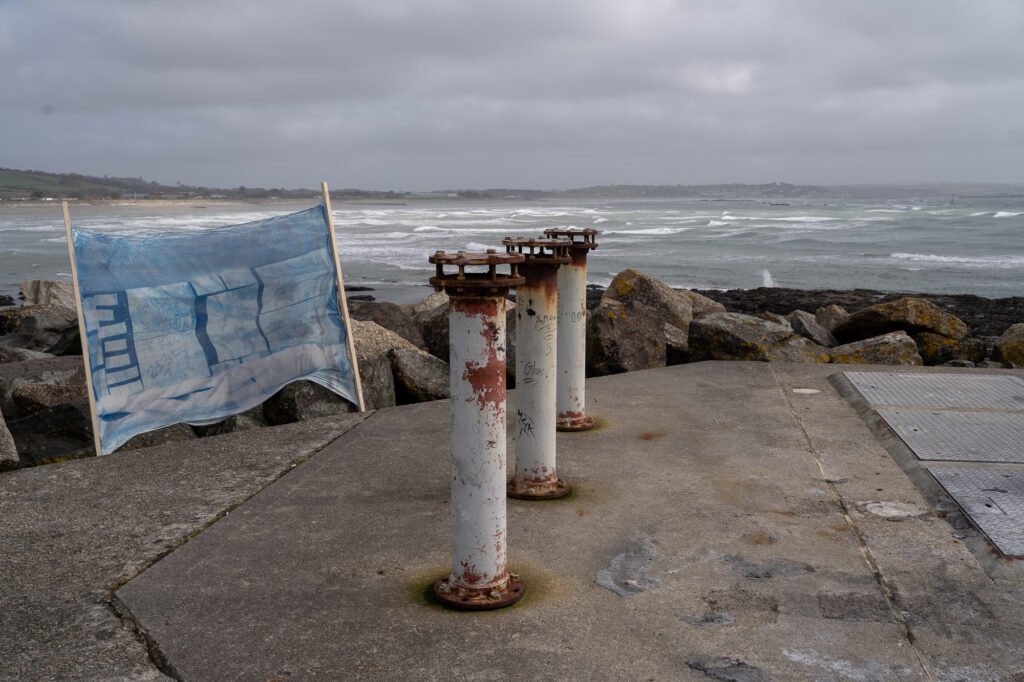
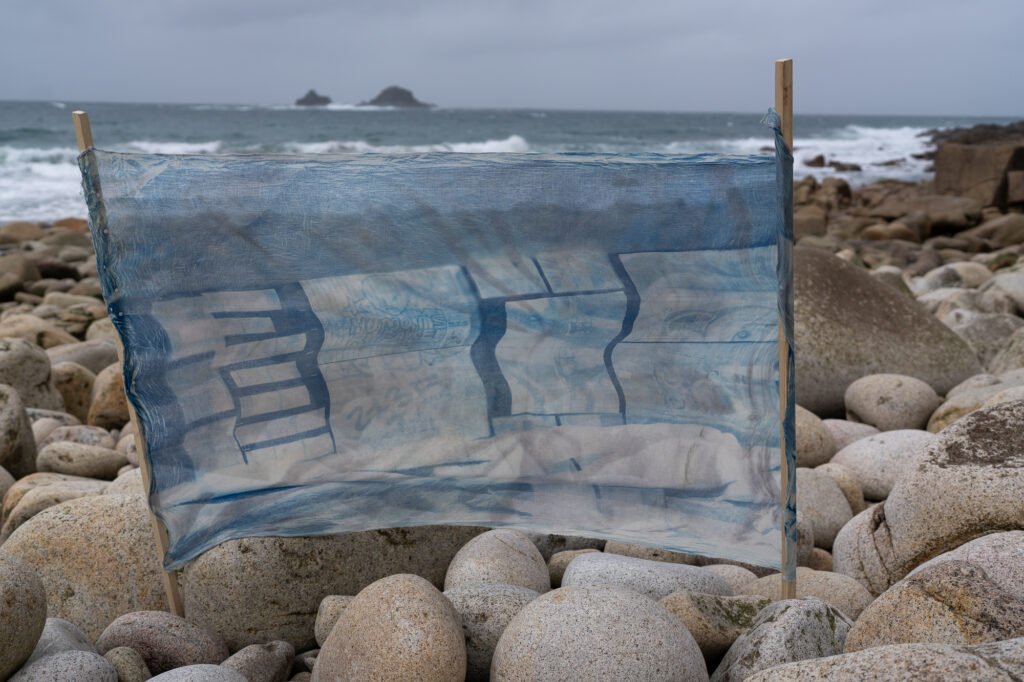
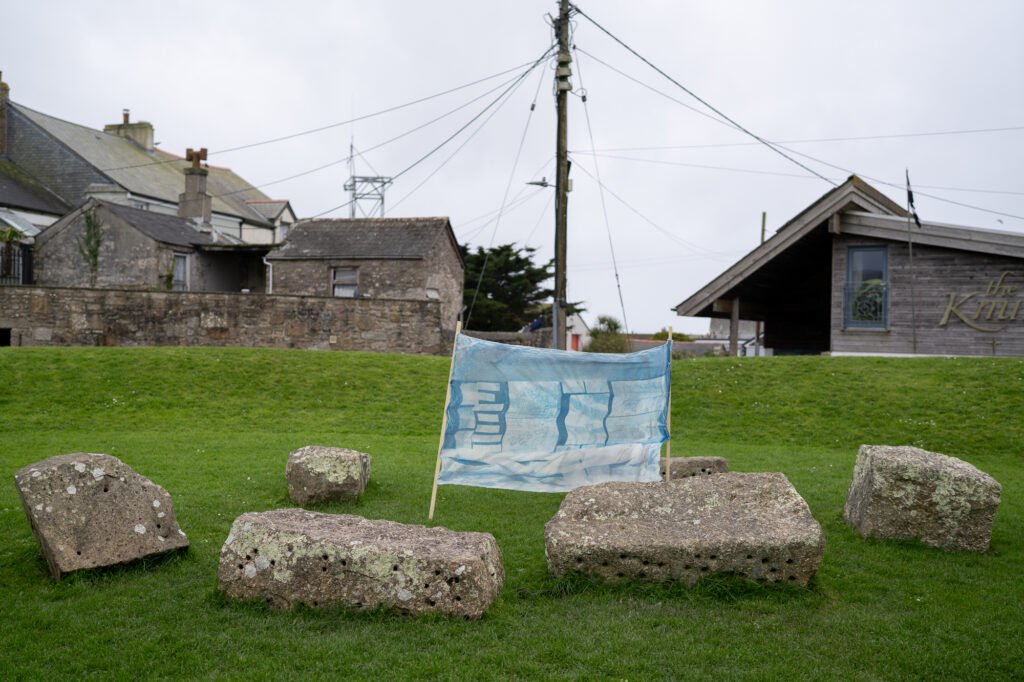
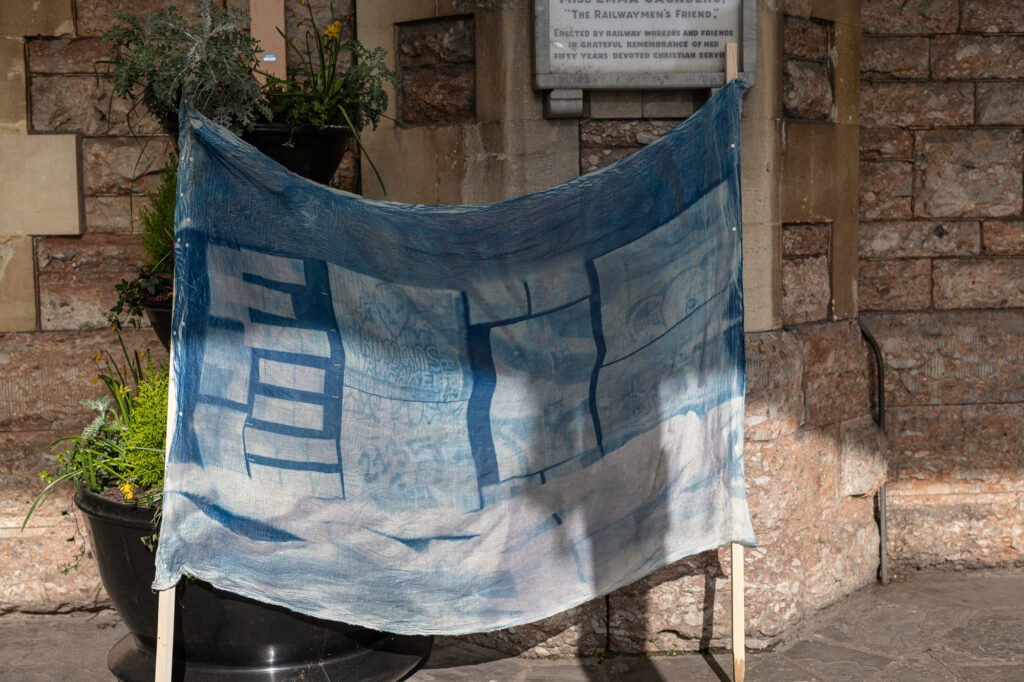
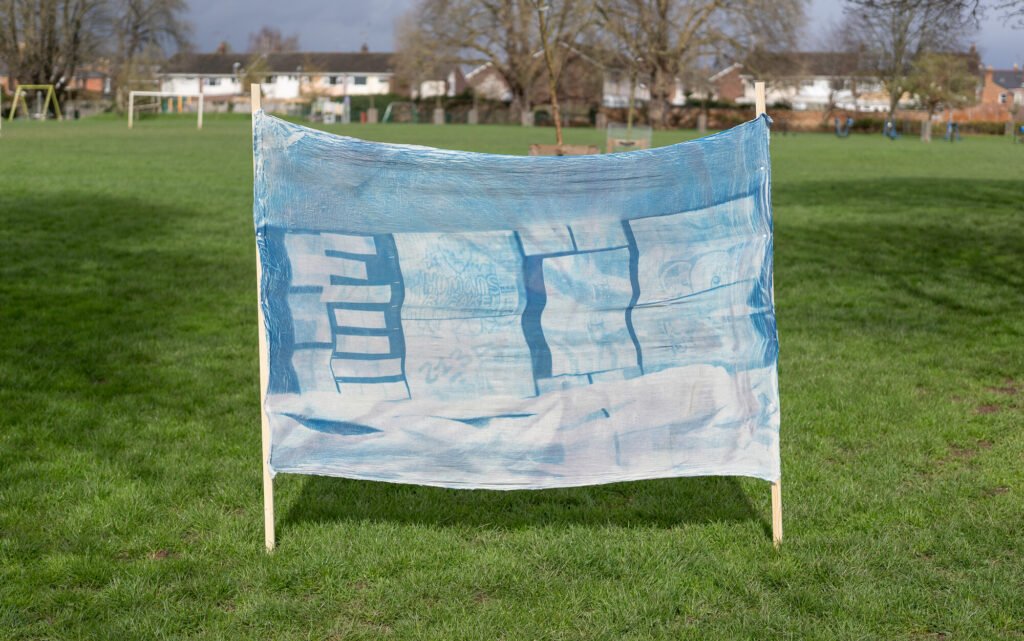
    The cyanotype I had created was a visual representation of a physical structure in east Bristol. It represented the Roundabout, underpasses and the graffiti and found objects I had been documenting for 18 months. The cyanotype was an embodiment of a living, dynamic structure.

    Symbolism plays an important role in every day life, in our appreciation of art and literature, in the way that we worship and in the way we analyse ourselves, including personalities, mythologies, needs and dreams. Symbolism even became an art movement in itself.

    My Cyanotype became a symbol for Lawrence Hill Roundabout.

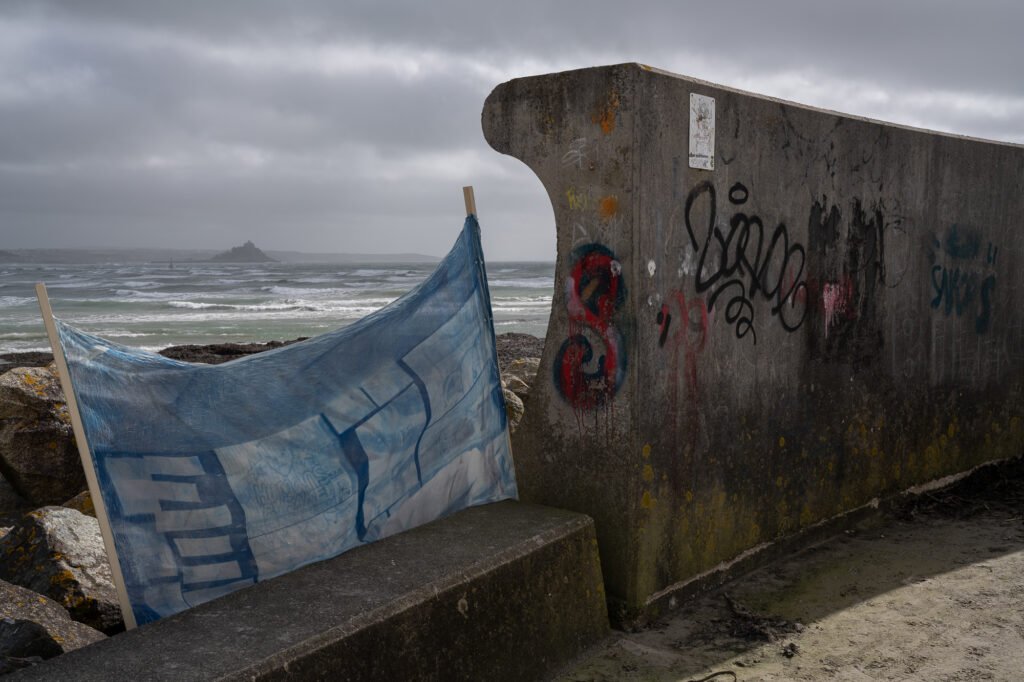
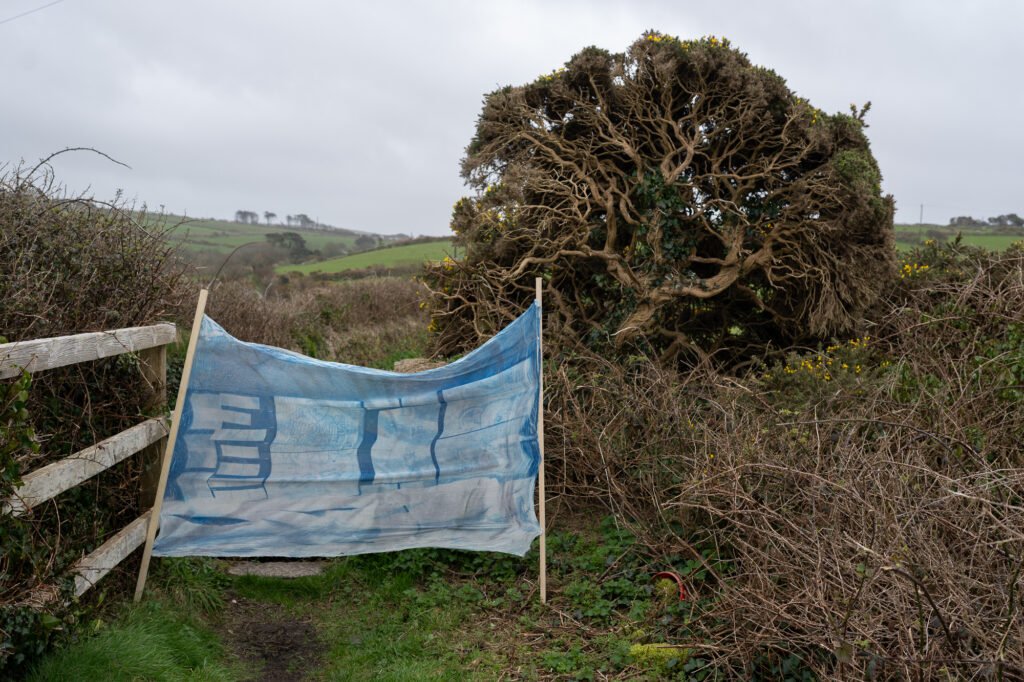
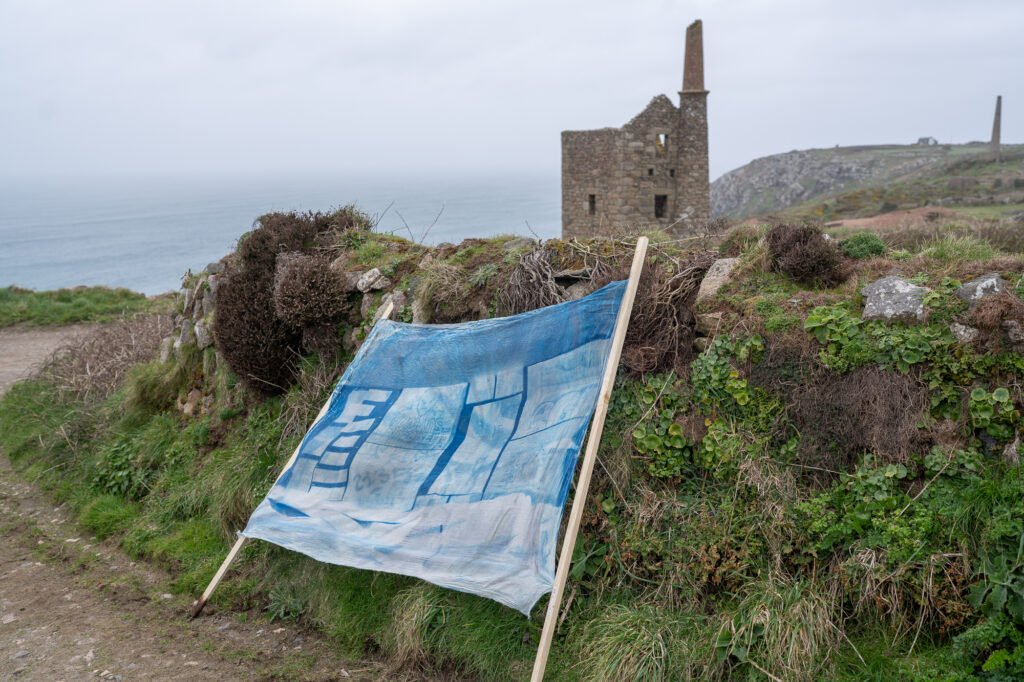
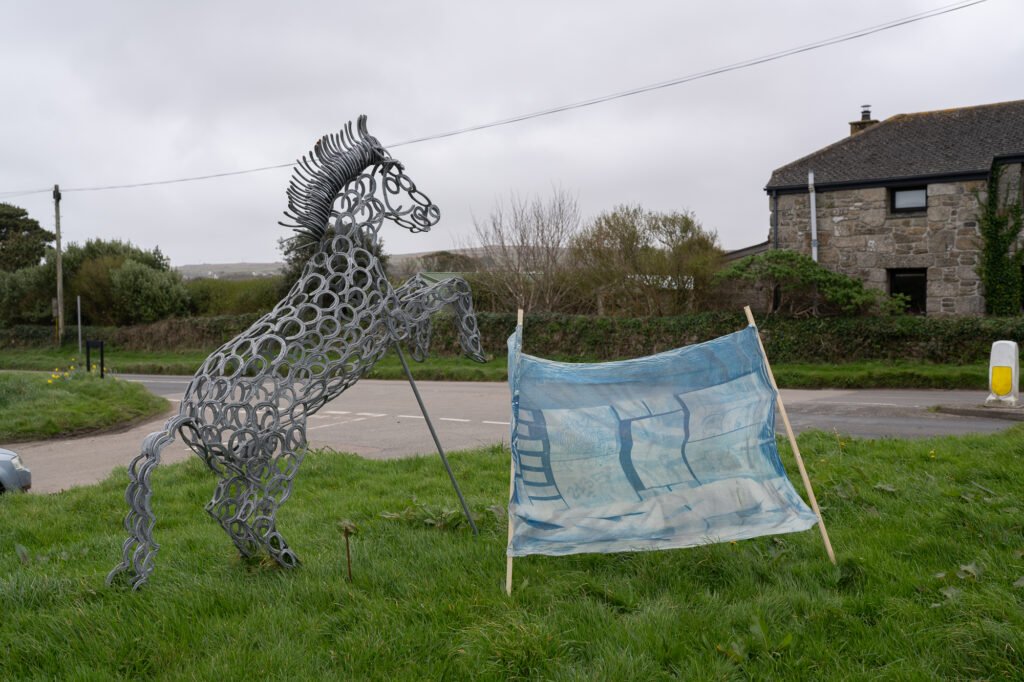
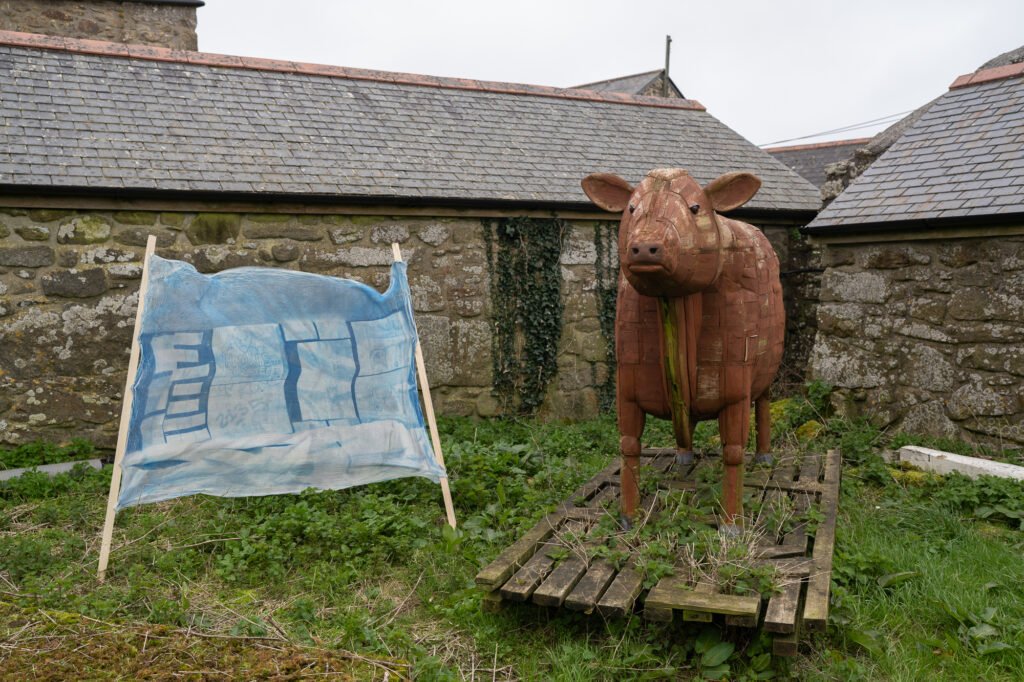
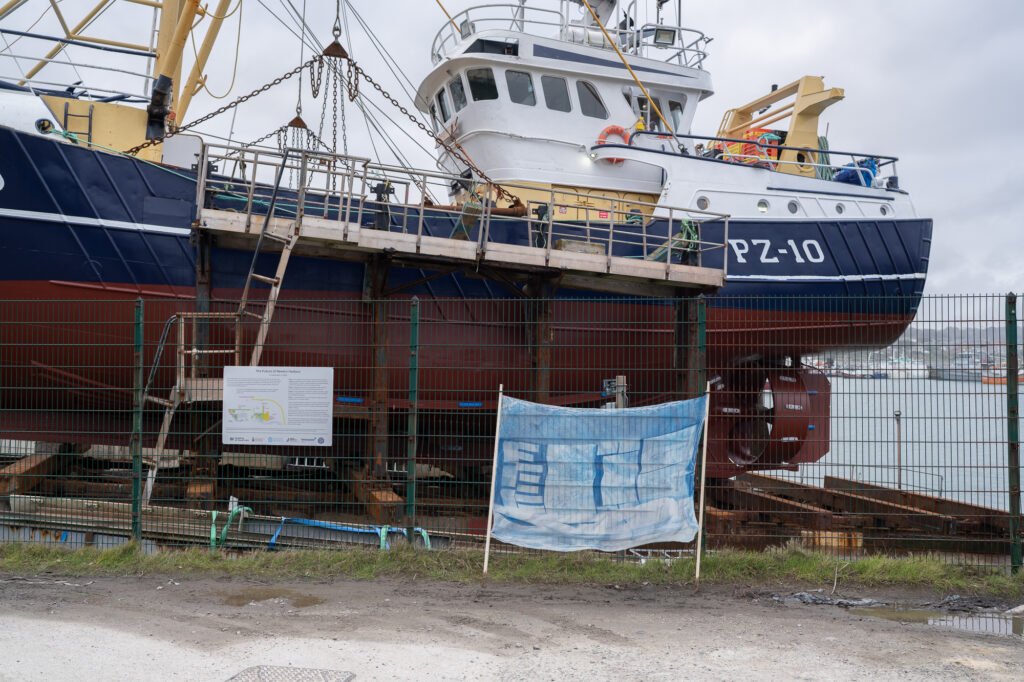
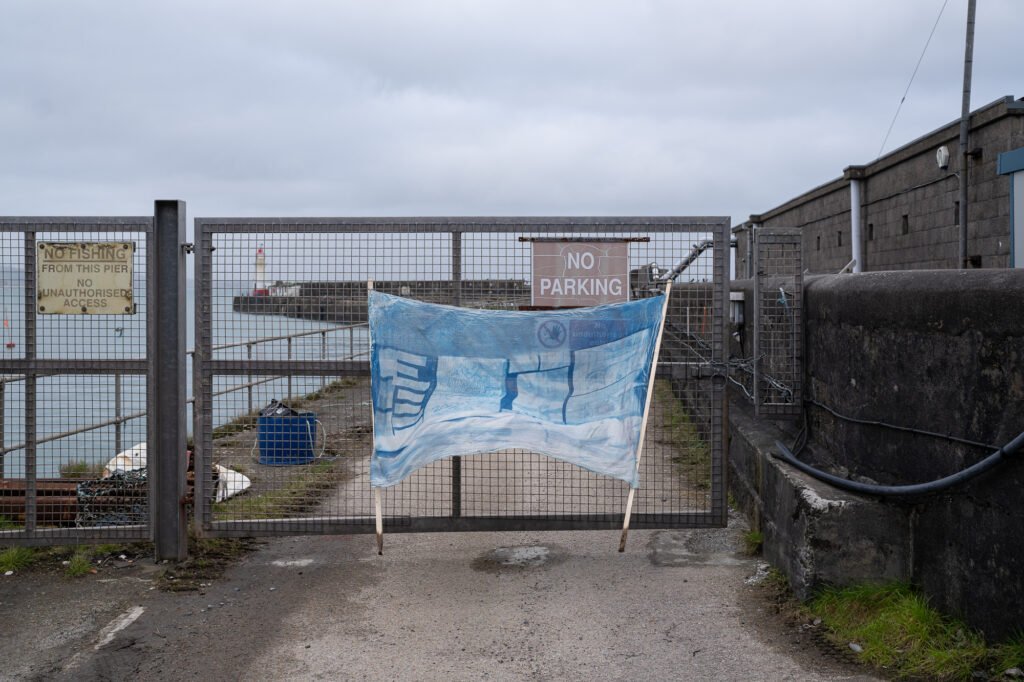
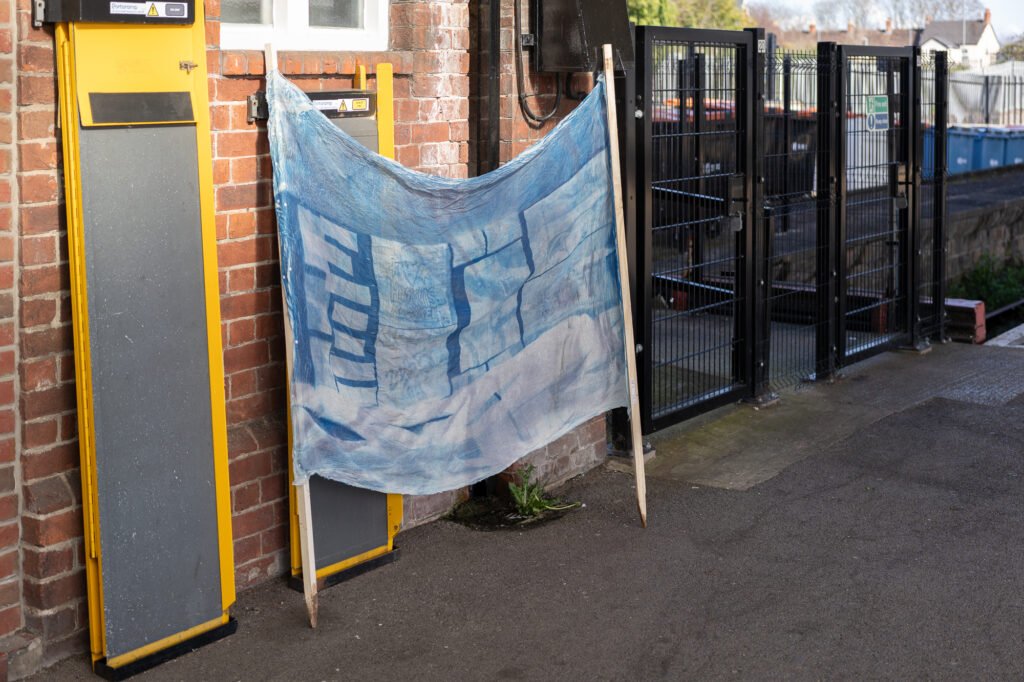
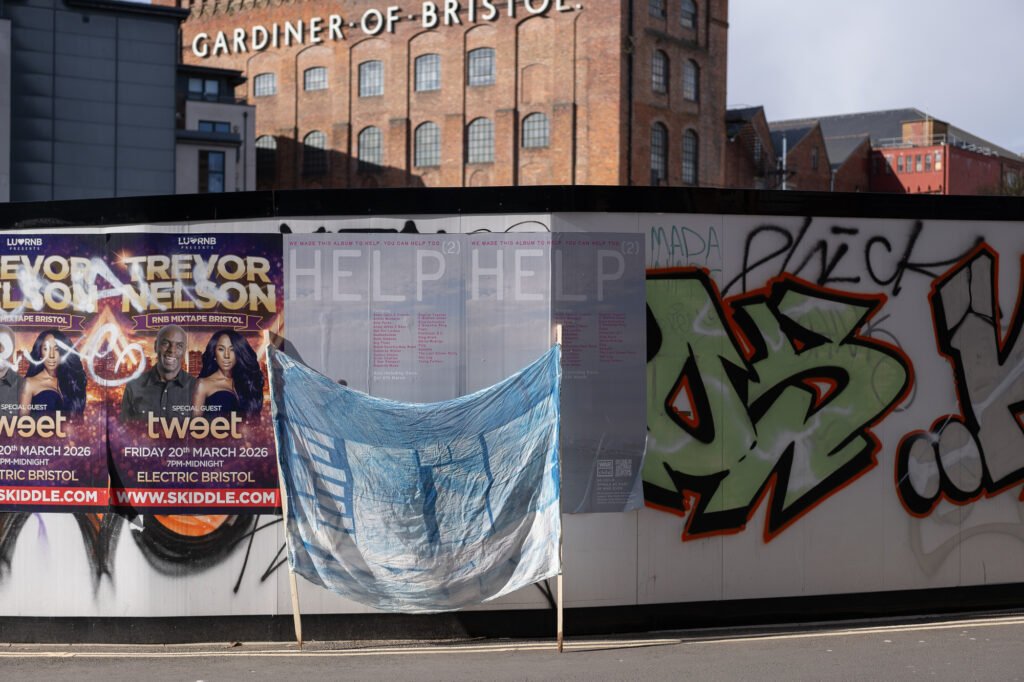
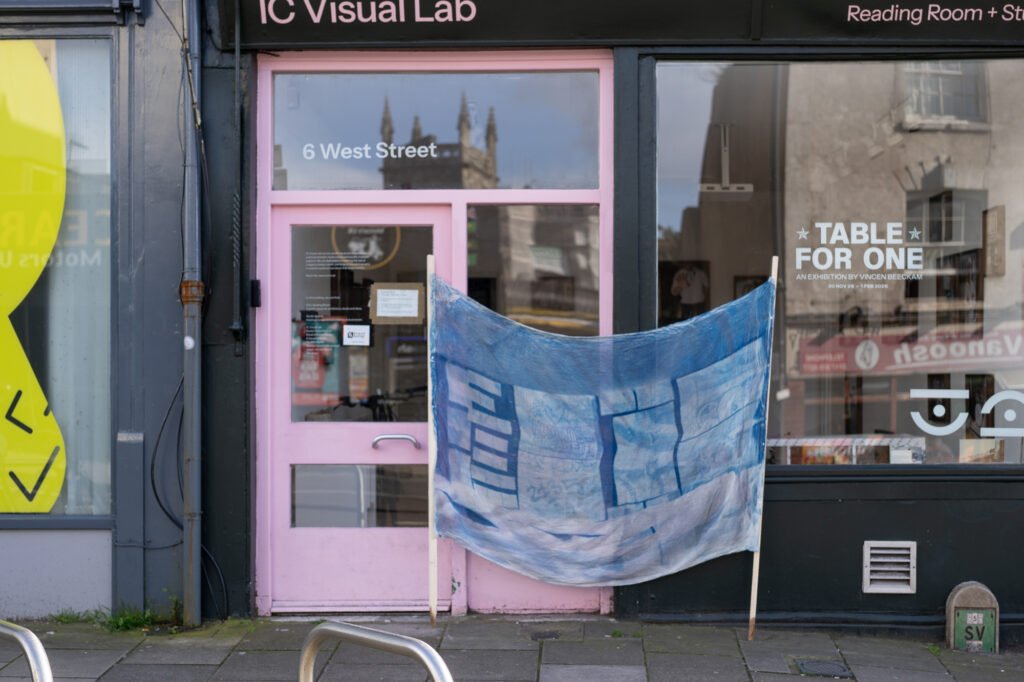
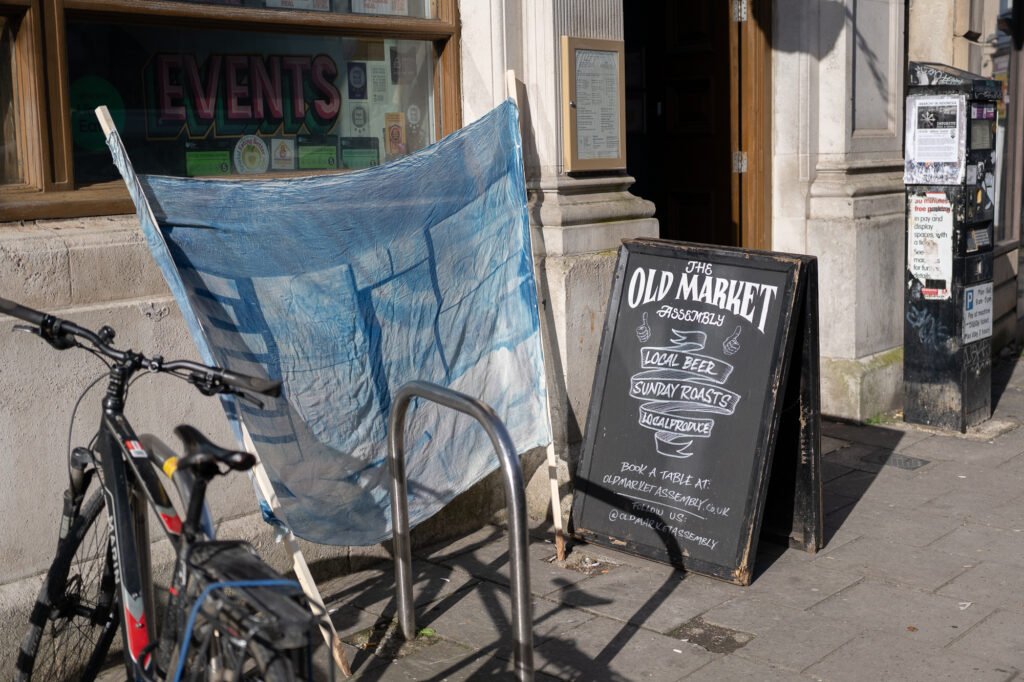
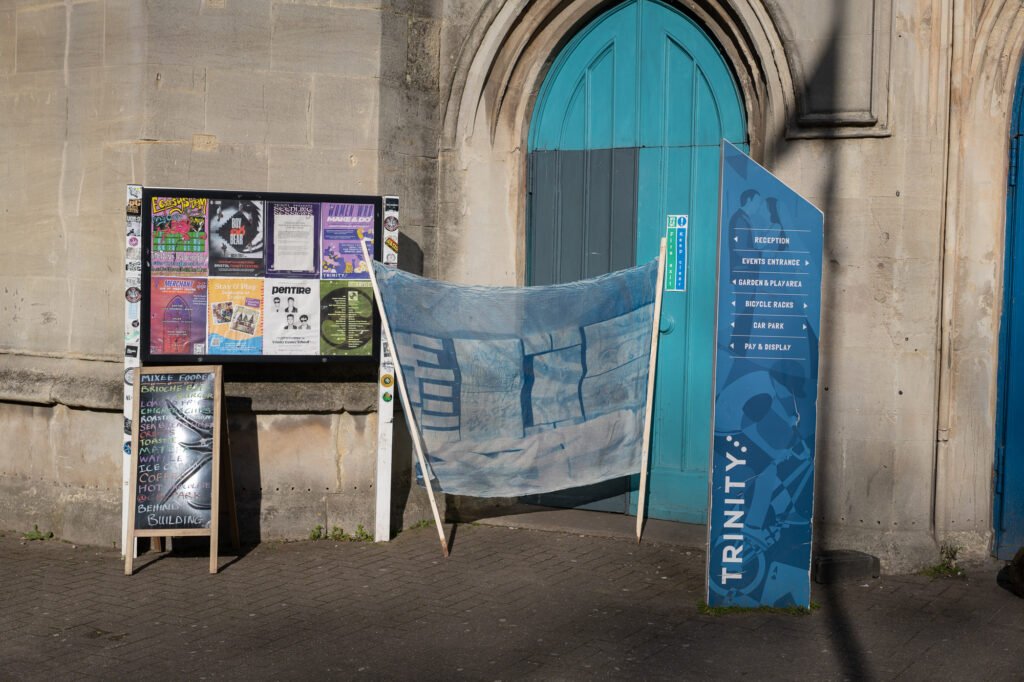
    In order to personalise the cyanotype, to increase the potency of its symbolism and to imbue it with parts of my life and interest in photography I took it to west Penwith in Cornwall, a region where I have been making photographs for many years. Here a Bristol linguistic landscape met with a Cornish landscape rich in history and symbolism also and i strengthened its associations.

    Finally it felt ready to be taken to Bristol. The following images follow the trail from Taunton to Lawrence Hill Roundabout, leaving Taunton railway station Templemeads station crossing the river Avon and then to the Roundabout.

  • Decisions : A Cyanotype Process

    Documenting Lawrence Hill Roundabout visually meant specifically trying to portray its identity as a living, dynamic entity encapsulating disparate ideas and communications graphically. By thinking laterally, and being non-judgemental about graffiti and found objects such as posters and other things, it was possible to make many images of the Roundabout and underpass landscape in a number of different weather and lighting conditions.

    I also decided to document it in both analogue and digital formats, using different cameras. Each camera and format brings a different reality, both in terms of my experience of making images, but also how images will be seen by viewers.

    The next question was how to portray the diverse identities of the users of the Roundabout and underpasses? And ultimately I had to resolve how to make a complimentary link between the different identities of the users and the roundabout?

    I decided to conceptualise the roundabout and underpasses by making a Cyanotype representation on a large piece of cloth, using both digital and analogue negatives of the graffiti and signs. I considered that would imbue my cloth photographically with both the physical and metaphorical energy of the ‘linguistic landscape’.

    The Cyanotype process was discovered by Sir John Herschel in 1842 but was not commercially exploited until 1872. It consists of contact printing negatives against objects, often paper but can be cloth, coated with a solution of potassium ferricyanide and ferric ammonium citrate. The image was historically made by long time exposure to sunlight, specifically dependent upon the amount of UV light present.

    The cloth Cyanotype cloth I made in March needed an exposure time of 30 minutes due to the low UV content of winter light. It could have done with even more exposure. The print forms in the sun, and is made permananet by washing out the remainder of the light sensitive material.

    This video helped me with the process.

    I made 10 x A3 digital negatives and lay them together under glass on my light sensitive cloth together with a series of 5 x 7 inch large format negatives and 6×7 cm negatives.

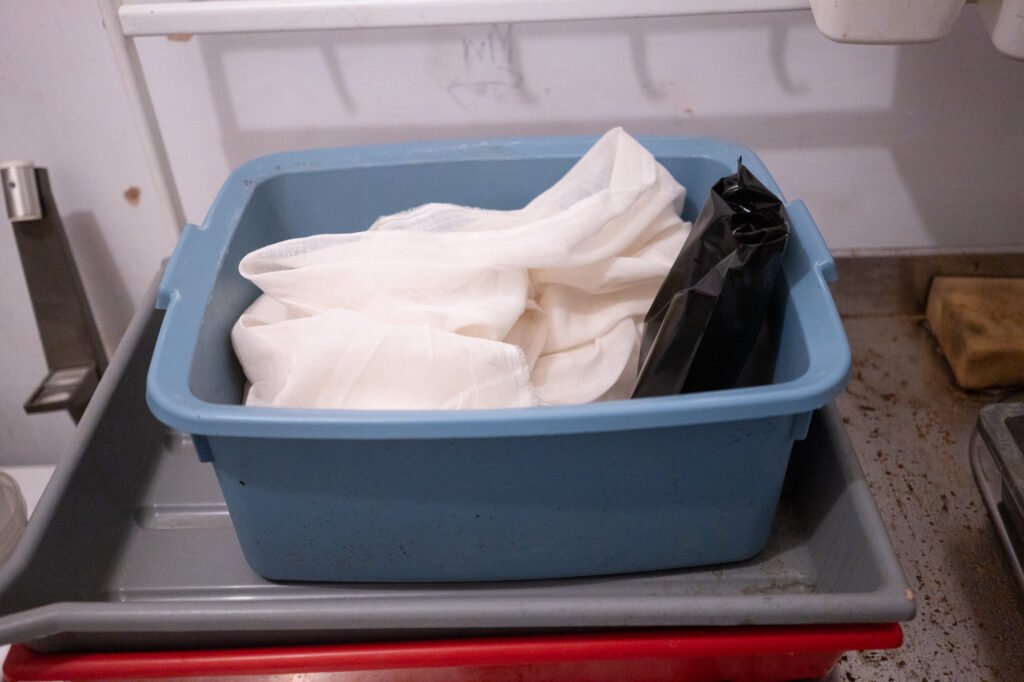
    The cloth and two solutions for sensitising the cloth waiting to be joined in a mixing bowl.

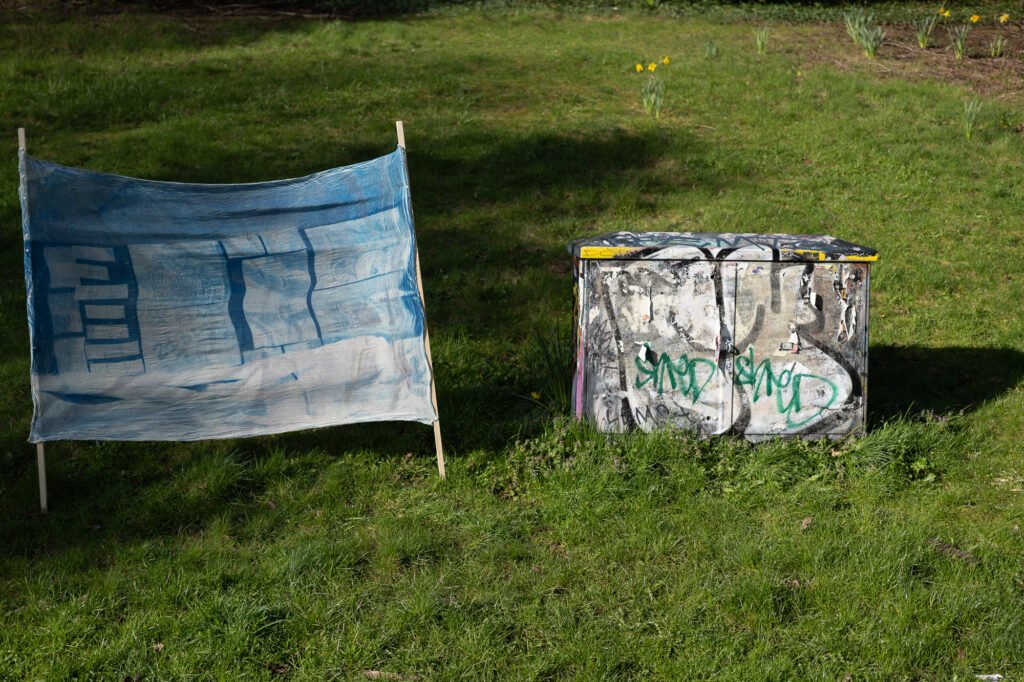
    The finished Cyanotype having its first day out in a local park.

  • A Last Resort : Martin Parr Foundation to Lawrence Hill

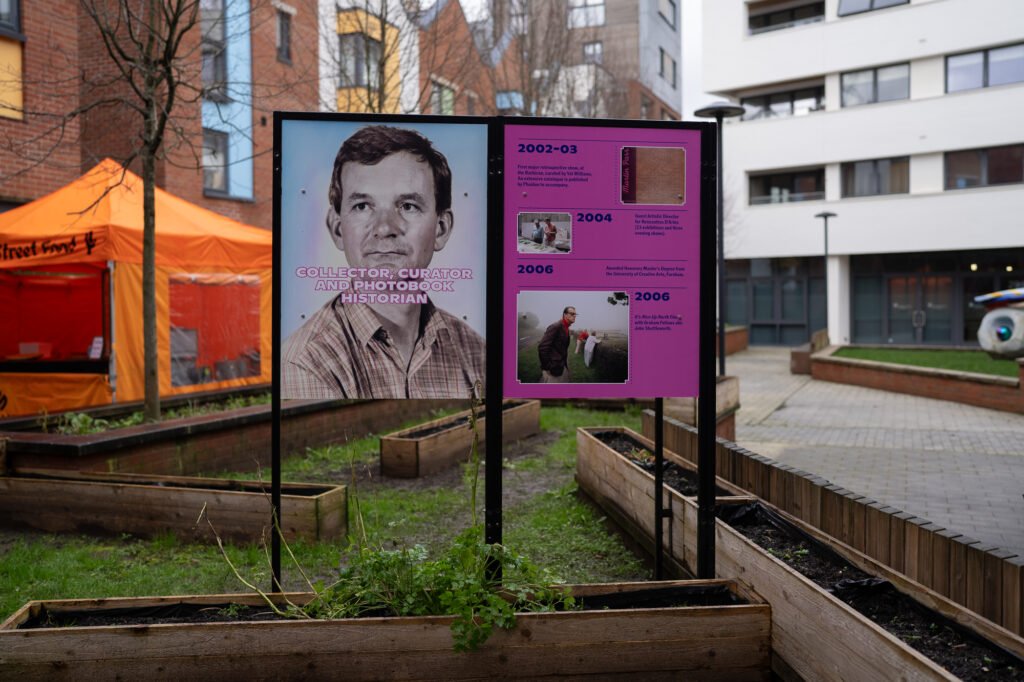
    The acclaimed British photographer Martin Parr died on the 6th December at his Bristol home. He moved to Bristol in 1987 and opened the Martin Parr Foundation in 2015. His achievements within photography are extraordinary. Please see his website for more information.

    www.martinparr.com

    I visited the Martin Parr Foundation on 20th January at the opening of his posthumous exhibition A Last Resort, a collection of images first shown in 1986. This was the first ‘new’ exhibition following his death. A guided tour of the Foundation and talks including one given by photographer Anna Fox illuminated his life and achievements.

    Below is a memorial image from that day of Martin Parr outside the Foundation

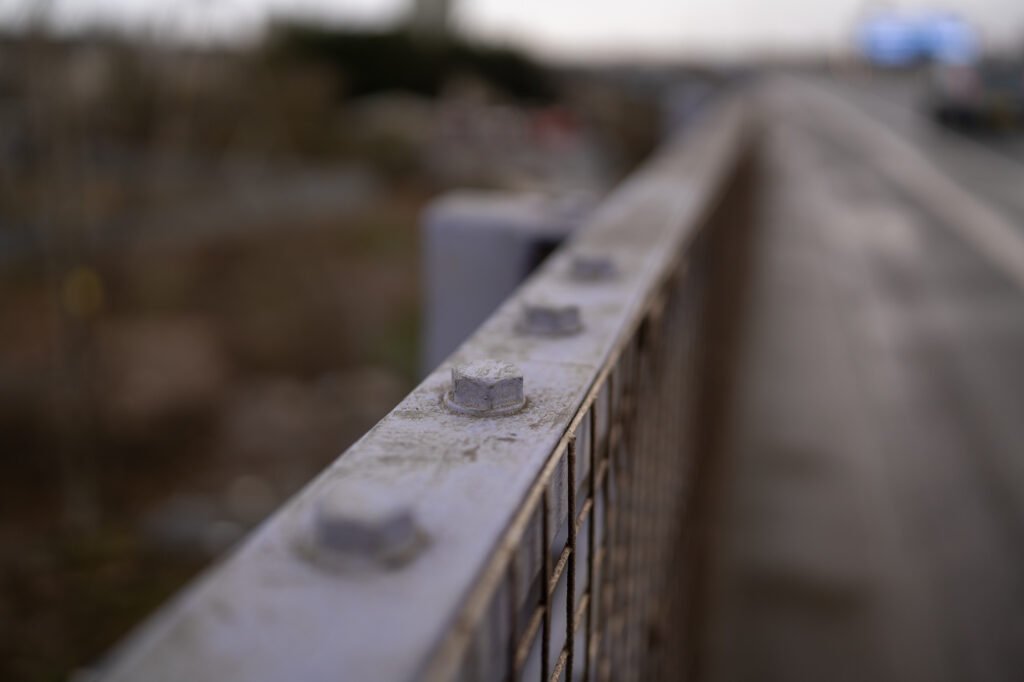
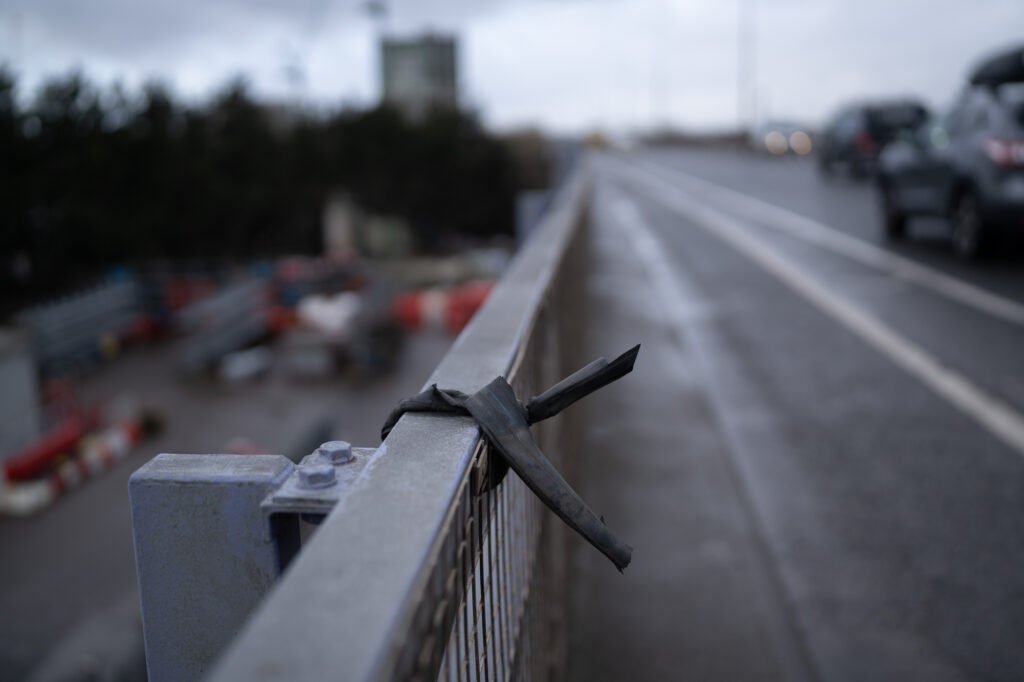
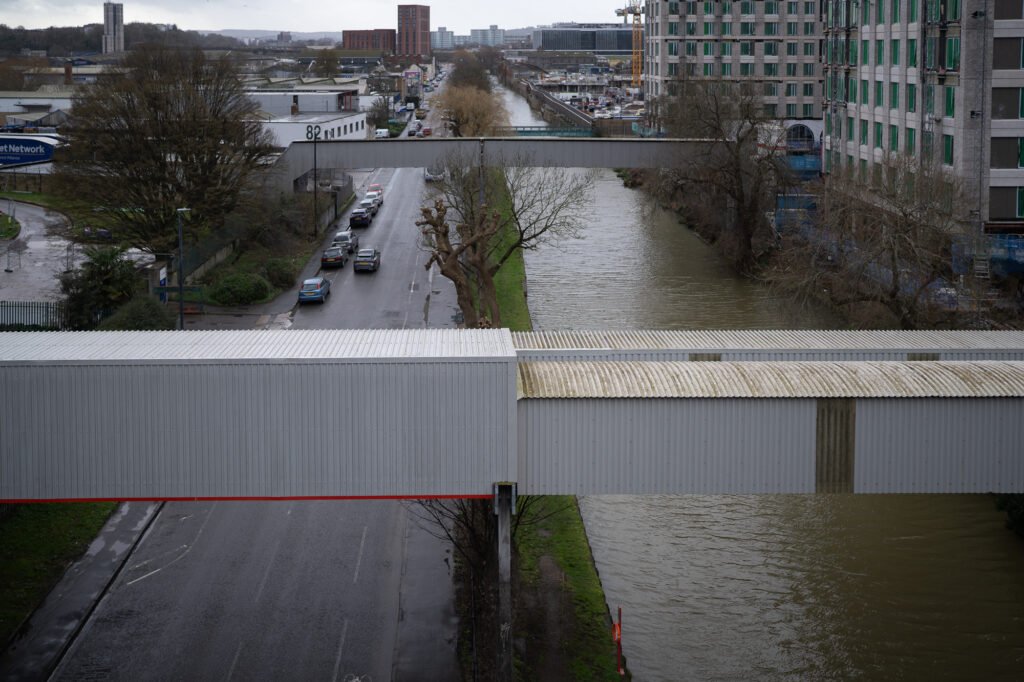
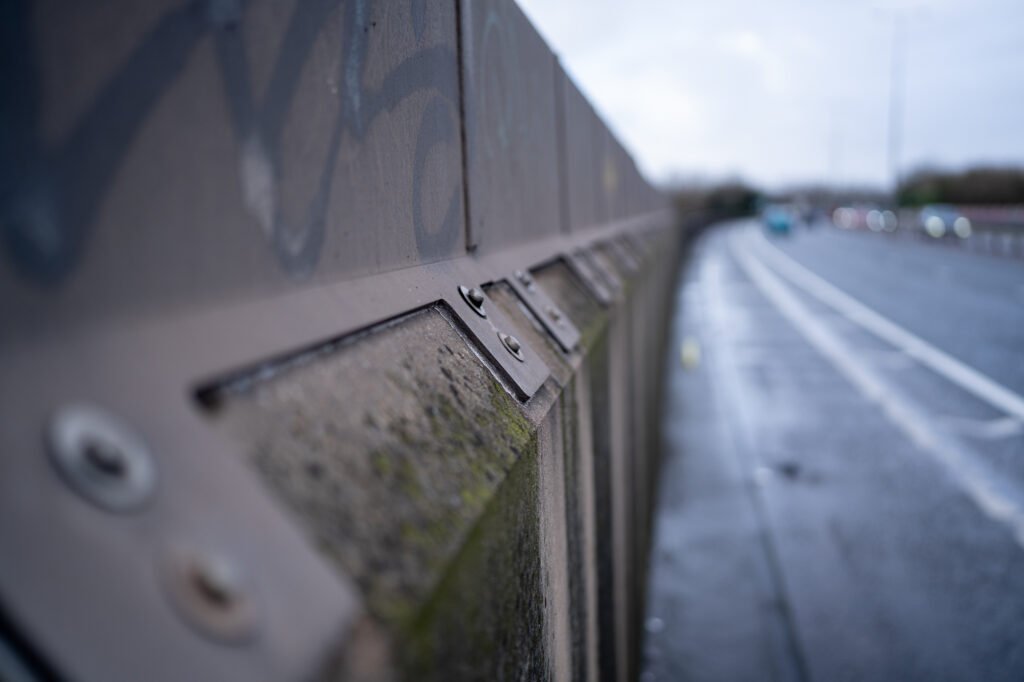
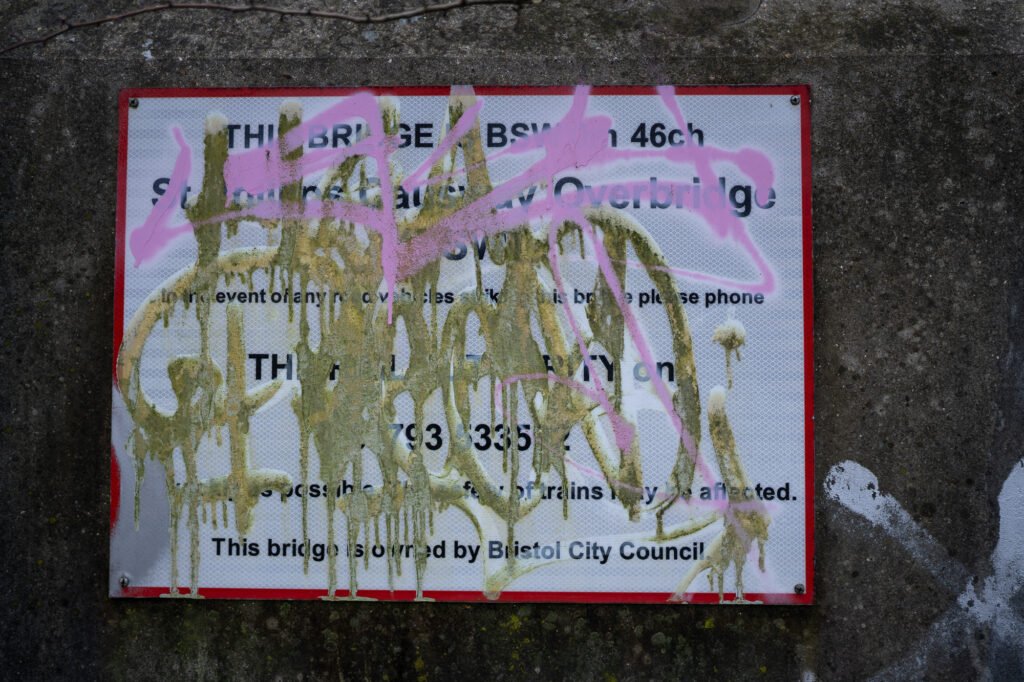
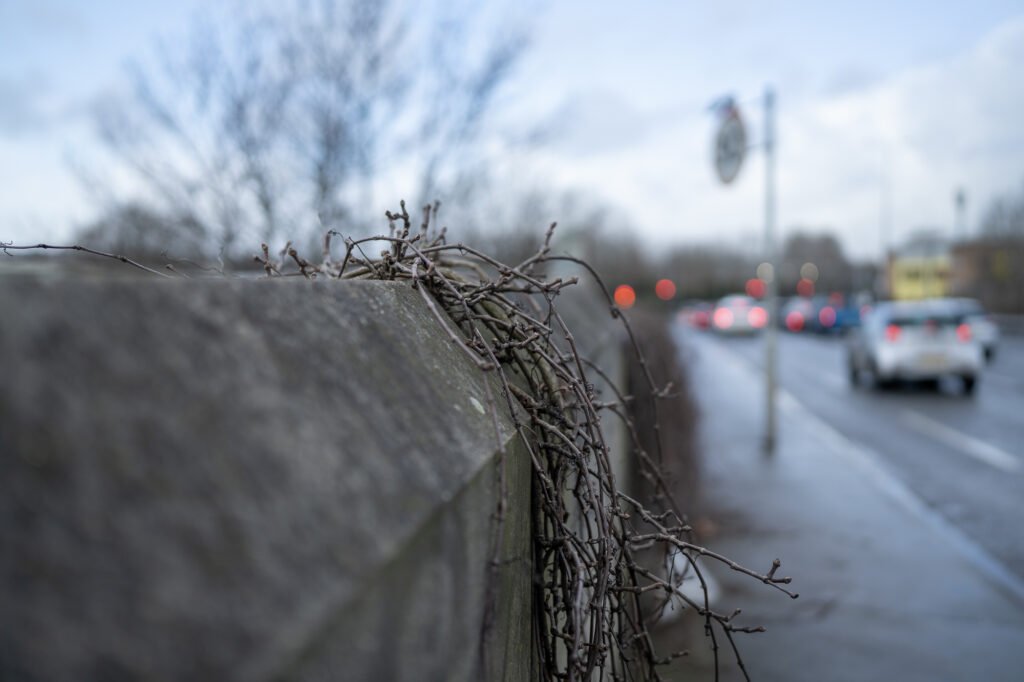
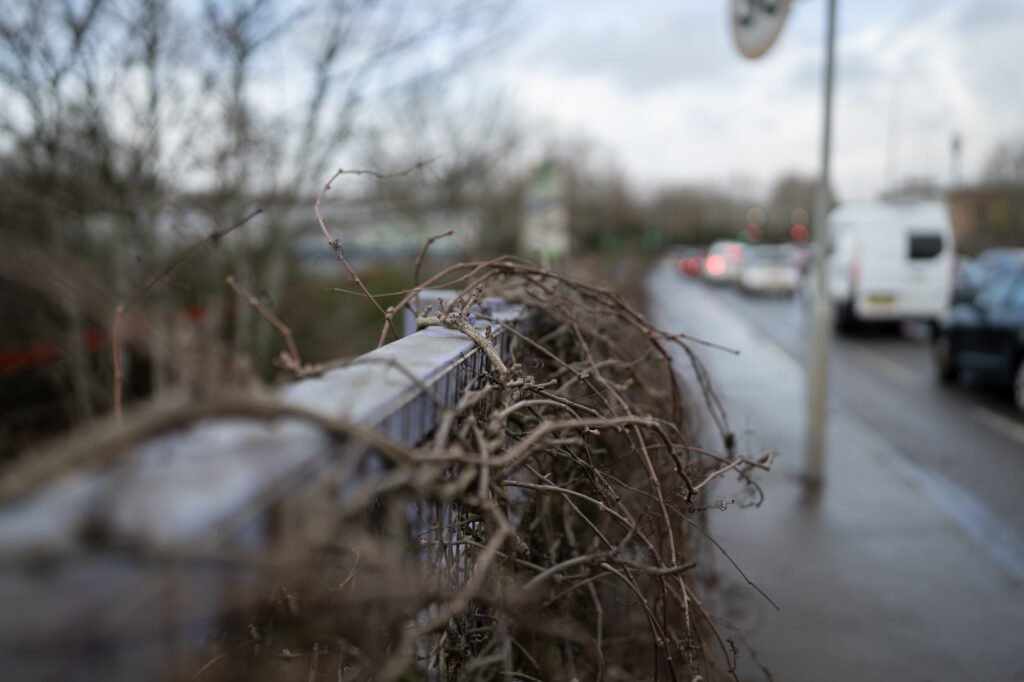
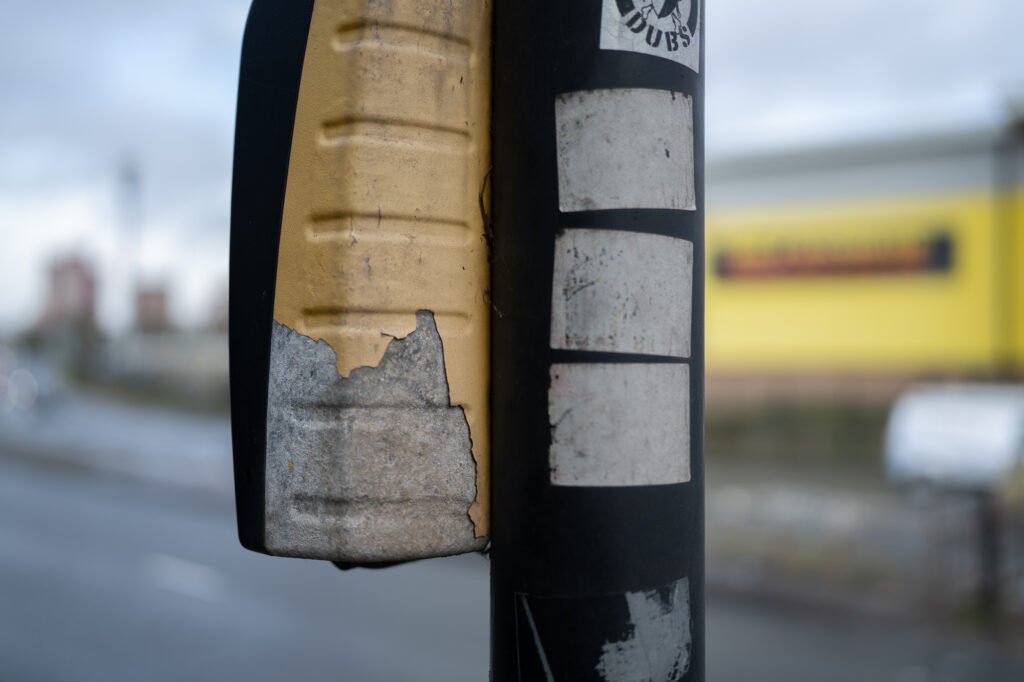
    Following my visiting the exhibition, I decided to walk across St Phillips Causeway to Lawrence Hill Roundabout, documenting the journey across the long bridge. Again I was photographing the ‘semiotics’ of an urban environment, looking for micro-landscapes which may reflect the wider landscape but equally may not. I was led by a ‘sensation’ inside me.

    Falmouth University had been providing students with lectures and research regarding Conceptual Documentary Photography, a relatively new form of photography which focusses on the banal and is mostly presented in the form of beautifully constructed photo-books.

    Photographers such as Martin Parr himself and Steven Gill work in this way.

    Here is a link to Stephen Gill’s Hackney Wick photobook. He documented a market in Hackney from 2002 for 2 years, making photographs on a plastic camera he purchased for 50p.

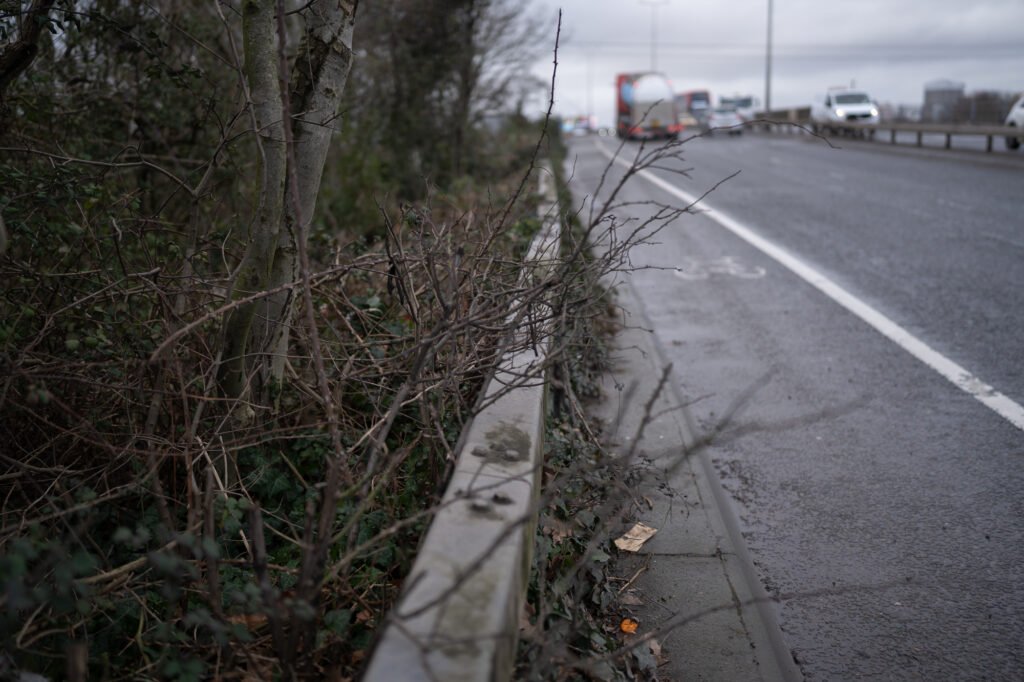
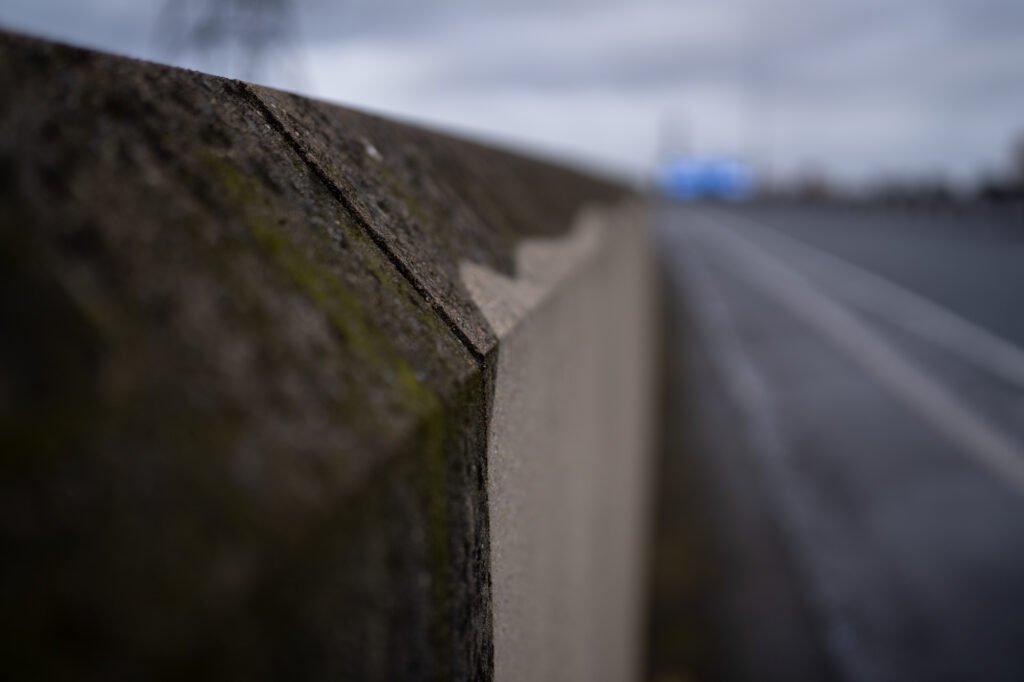
    Continuing in a similar style to my images of Lawrence Hill Roundabout, and maybe content to also photograph the ‘banal’ rather than the magnificent, these are the images taken on my walk from the Martin Parr Foundation to Lawrence Hill Roundabout. Looking for meaning in the every day seems important to me.

  • Rainy Day at Lawrence Hill

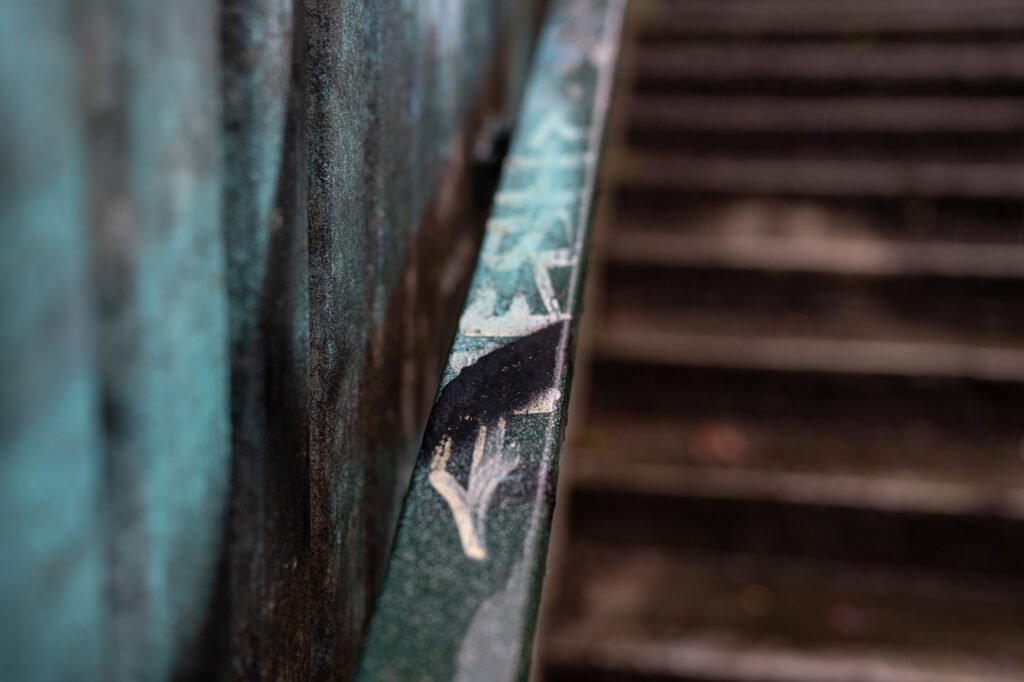
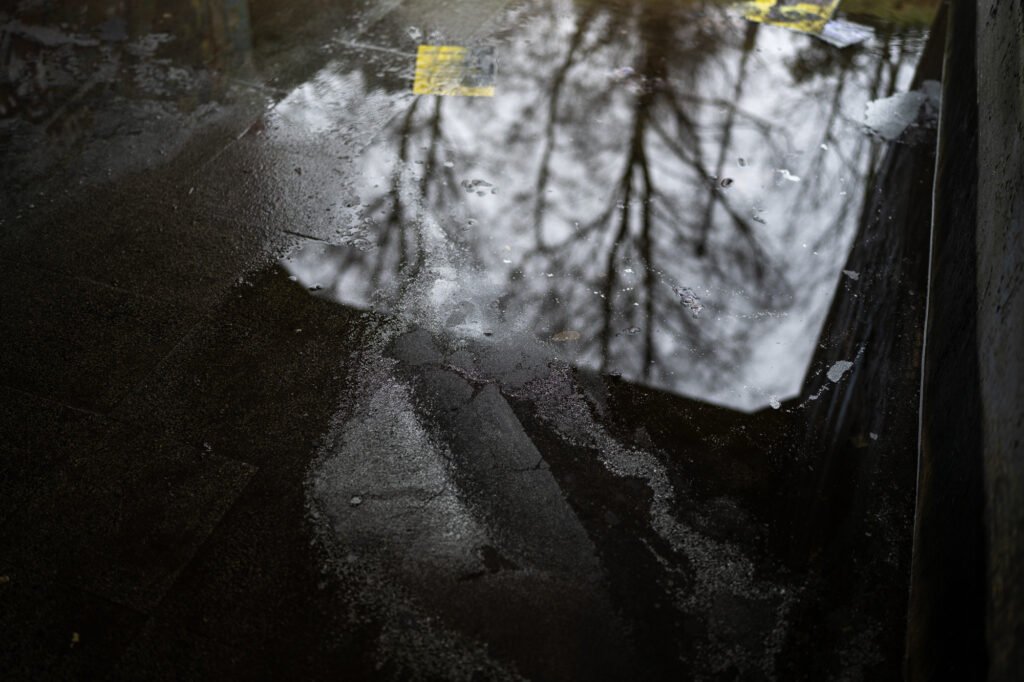
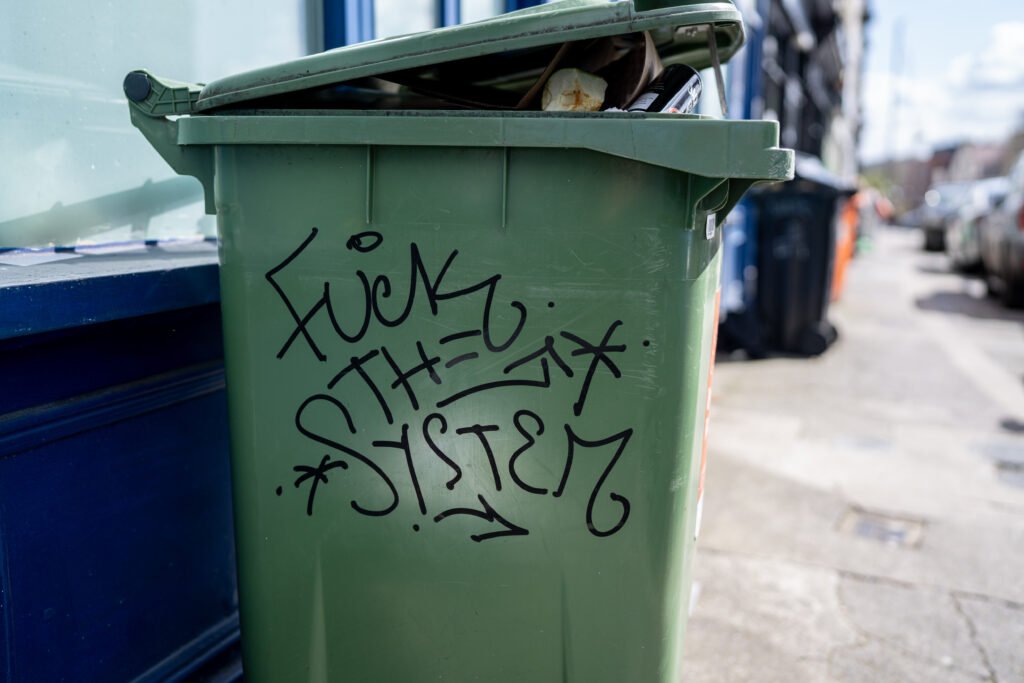
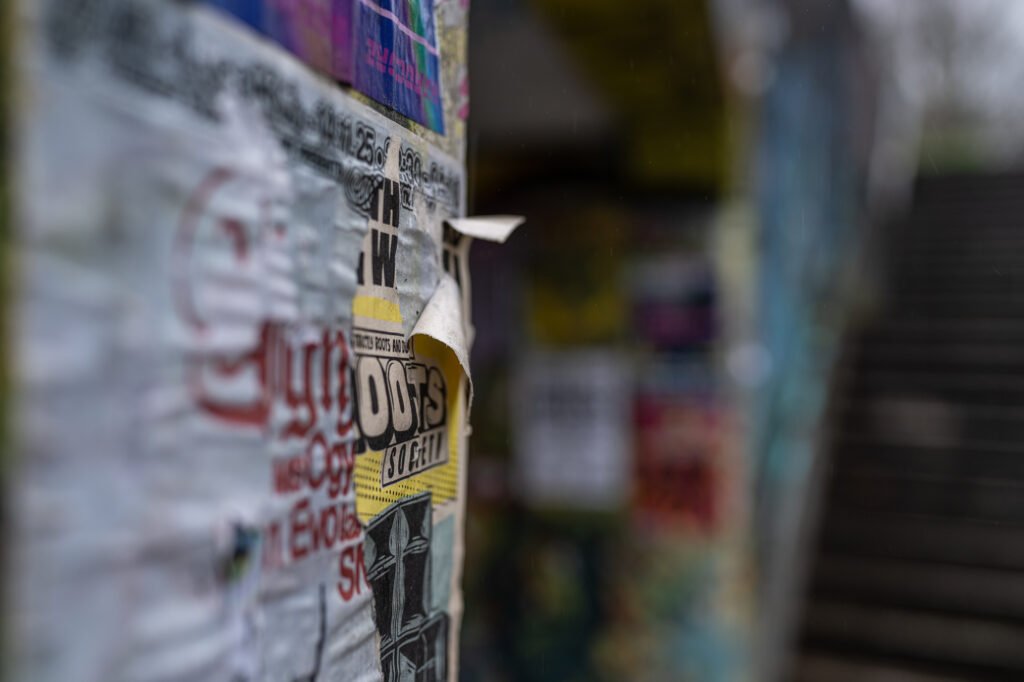
    Rain fell for most of the day on 1st February. I tried to make photographs with my pinhole camera but the exposure times were too long and things did not go well. I also made photographs with my digital camera, trying to capture the materiality of the landscape and also the softness of the light.

    The underpass has many manifestations.

  • Monochrome Photographs

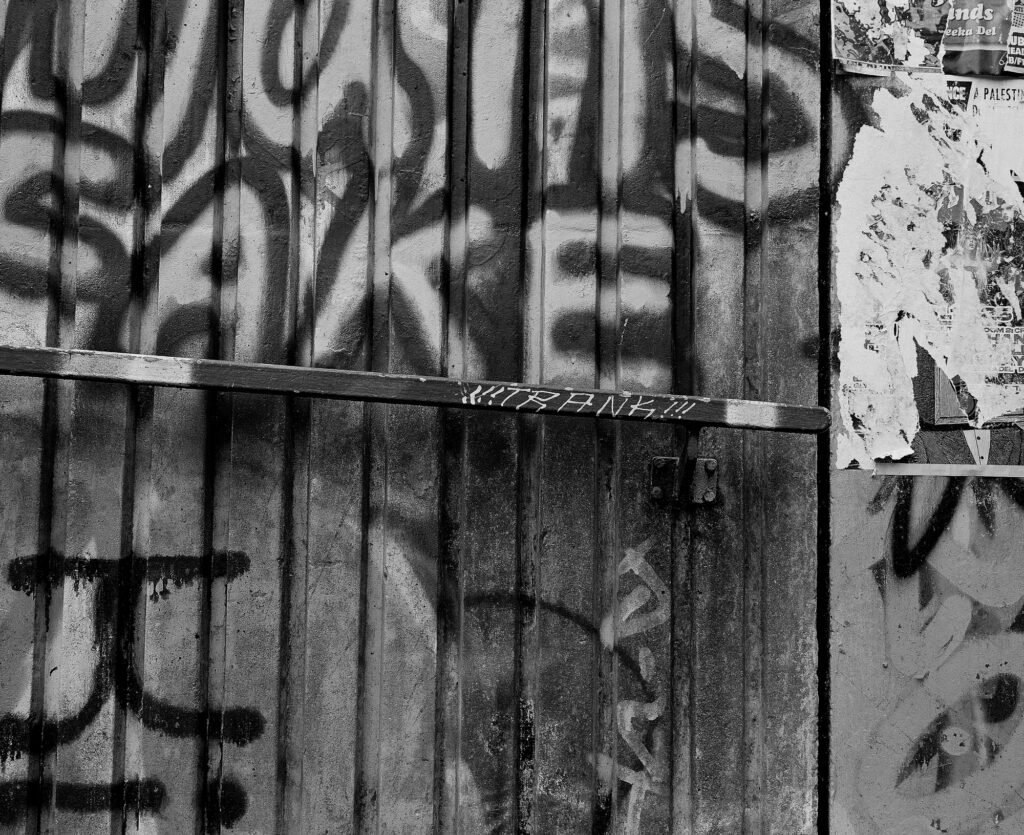
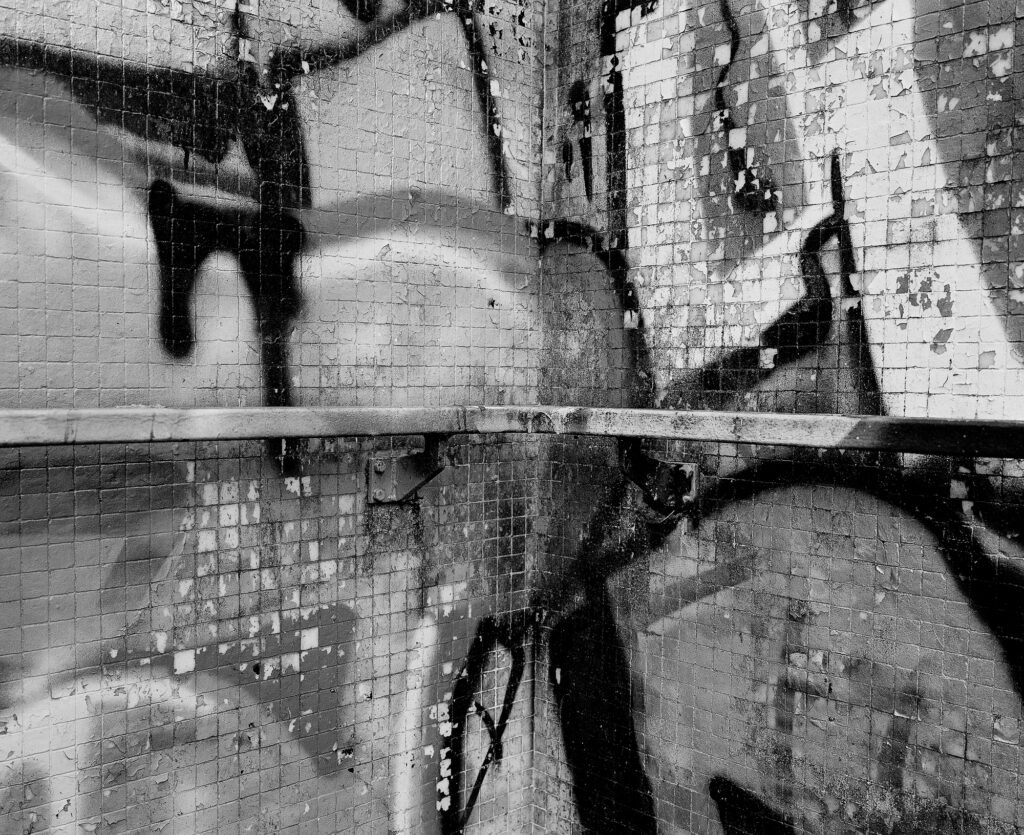
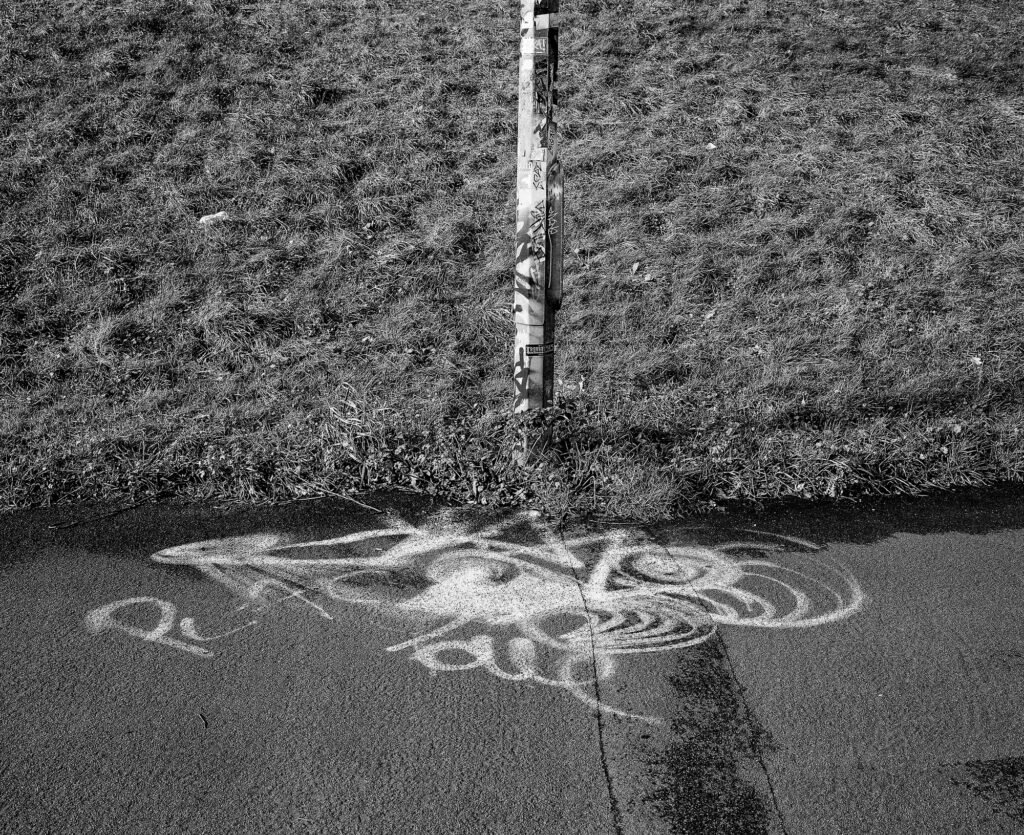
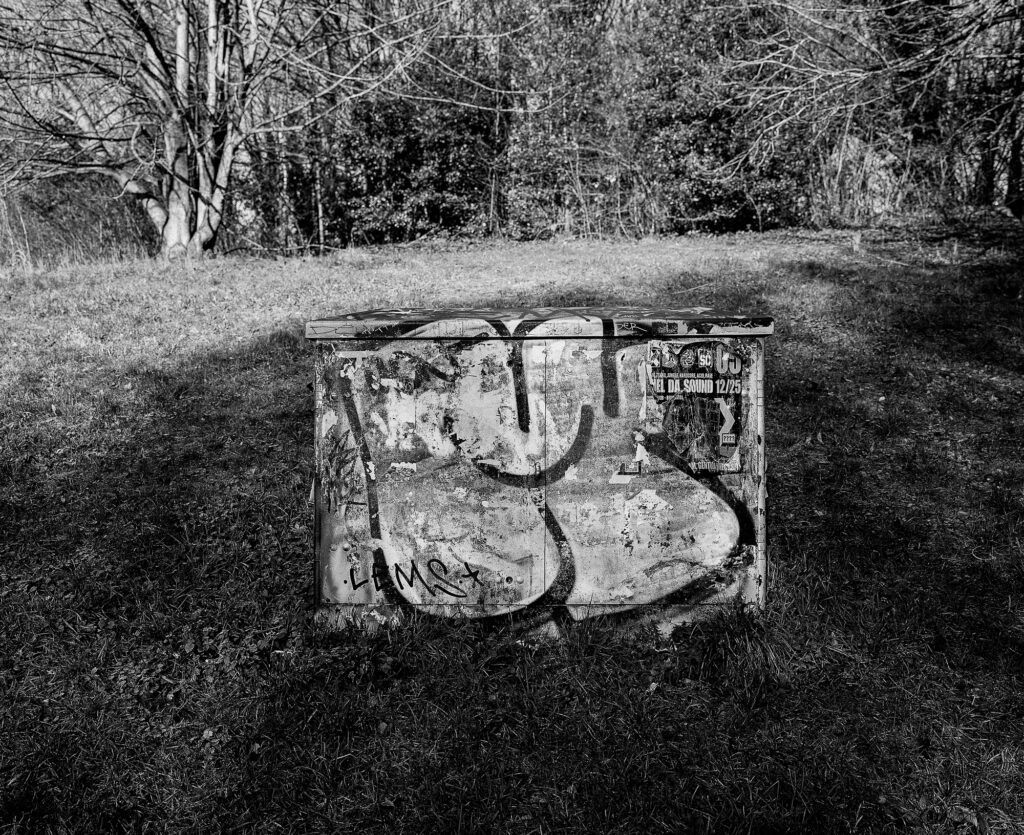
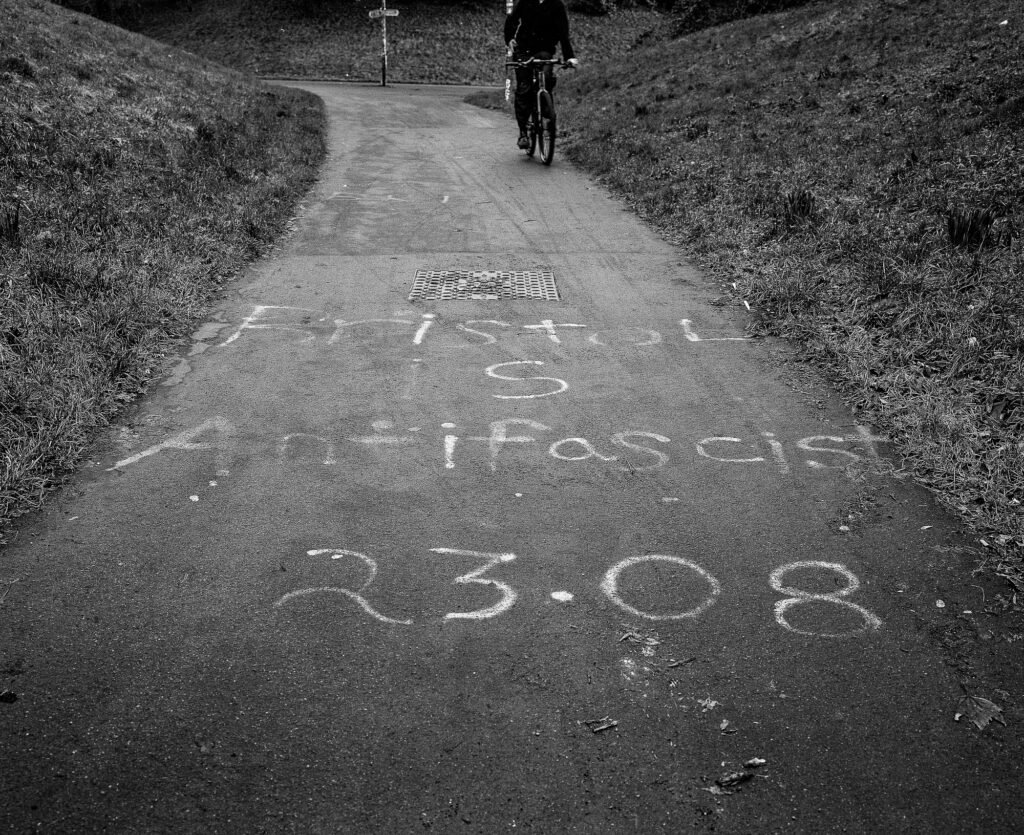
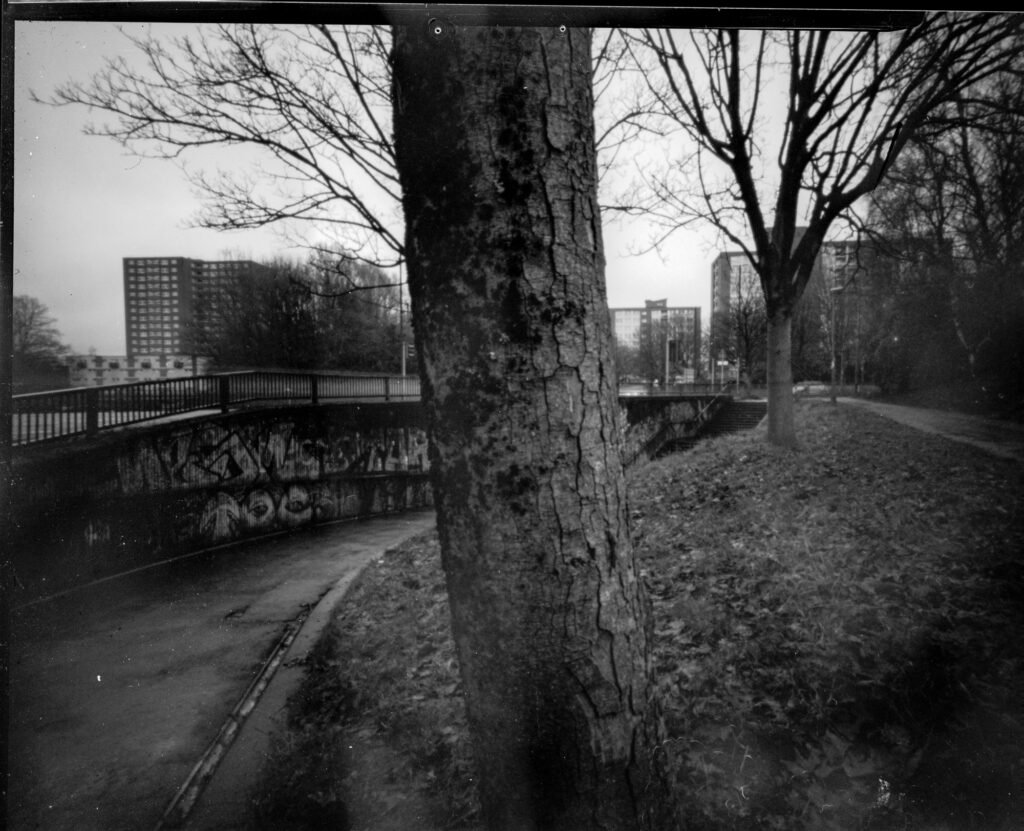
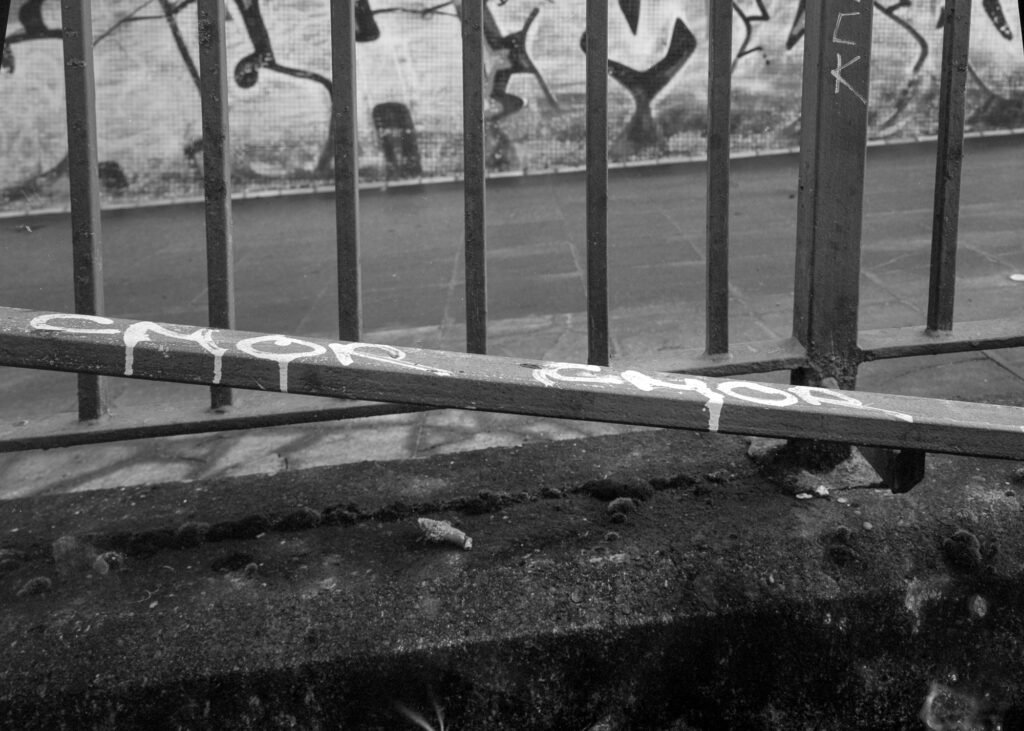
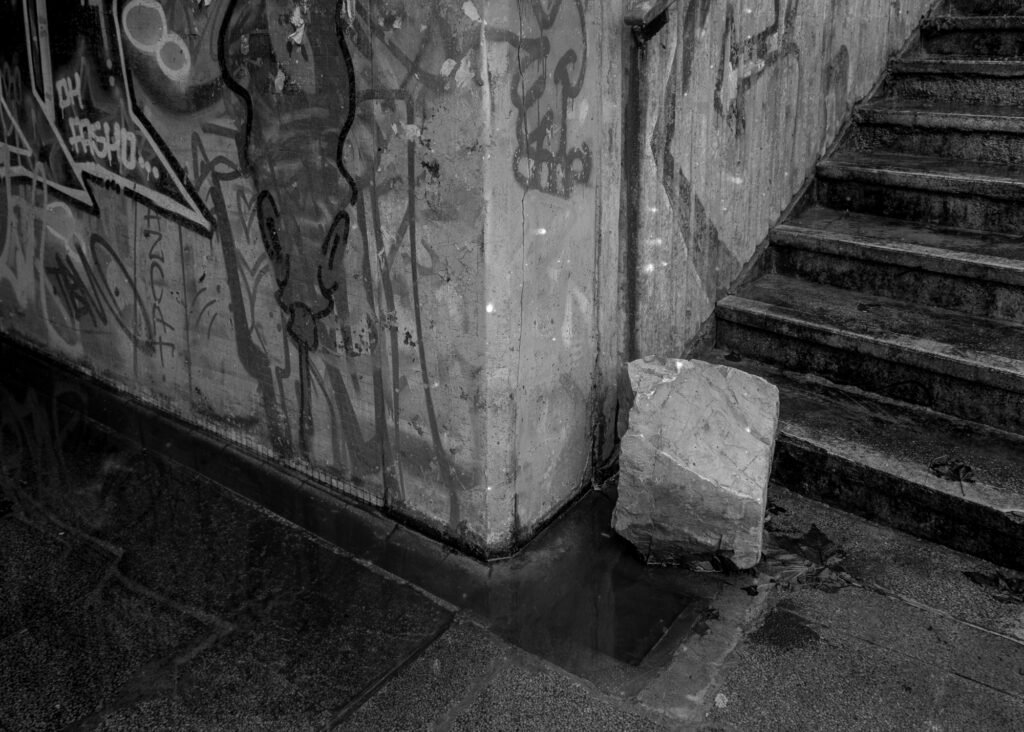
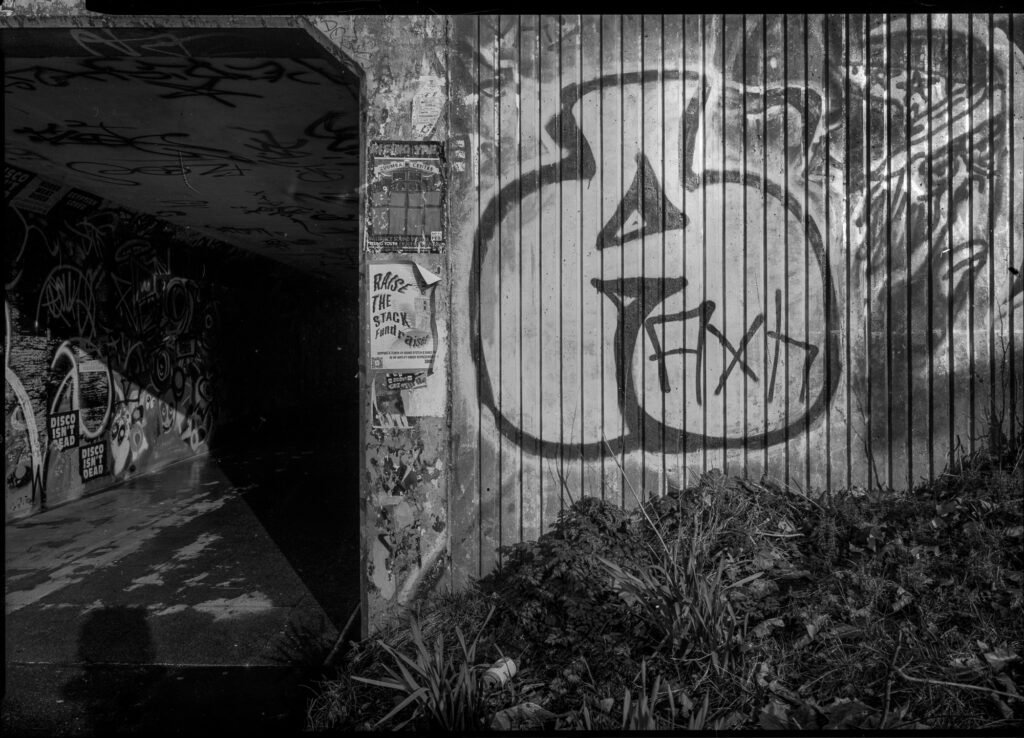
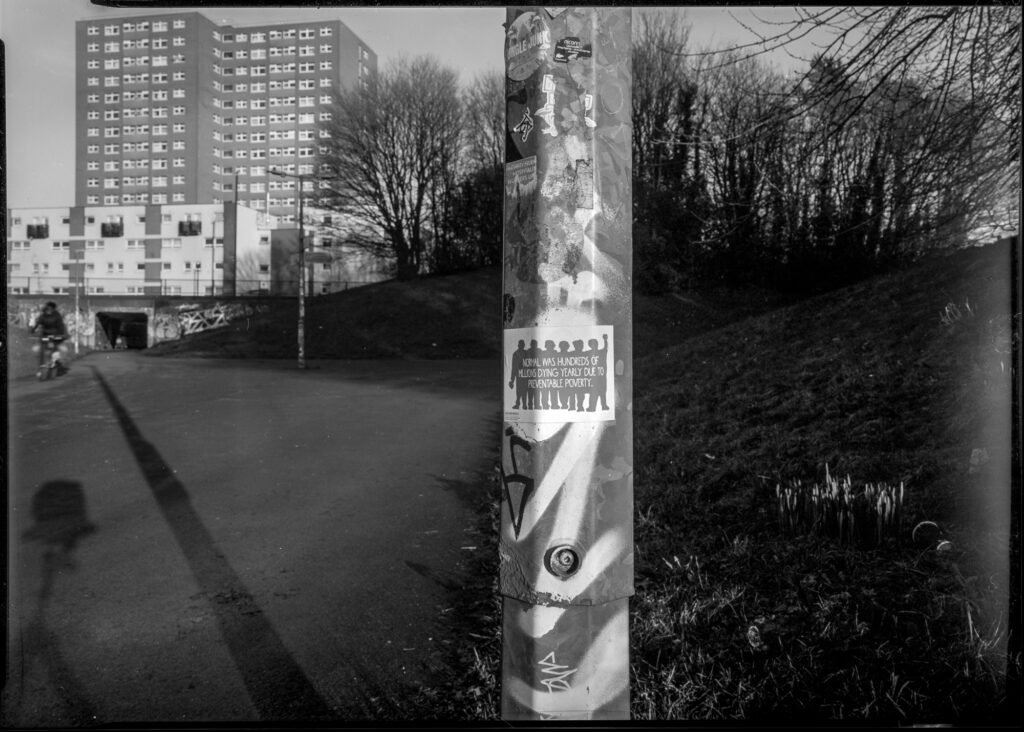
    Over the last week I have made 3 visits to lawrence Hill roundabout, making images on 4 different cameras. Three of those cameras were classical film cameras and contained monochrome film. Here are a selection of photographs documenting the landscape in monochrome, in classical documentary style.

    Mamiya 7 with 65mm f4 lens

    Ilford Titan 4 x 5 Pinhole

    Canham 5×7 inch Traditional

    I need to return to make more photographs with the pinhole camera, but otherwise I have most of the images to start making enlargements and to begin considering the pop-up exhibition.