Blog
-
Exhibition at Lawrence Hill Roundabout
I decided to hang a ‘pop-up’ photography exhibition of images i had taken of the graffiti and found objects early on in the project. Finding somewhere to hang them was problematic. I devised a string system hanging down from the railings above beside an Underpass, put 12 A3+ images into plastic poly-pockets and attached them to the string by clips.
On the Saturday, there were strong winds from Storm David which made the exhibition extremely difficult to maintain; the prints were being blown around and I decided to try to make some portraits at the lamp-post. Sunday was much better and the exhibition stayed intact without much work required.
Here is a pdf of the Exhibition images I chose and some images of the exhibition in situ.
-
Easter Portraits and Activities April 5th and 6th 2026
Over the afternoon of these 2 days ( Easter Sunday and Easter Monday ) i spent time at Lawrence Hill Roundabout.
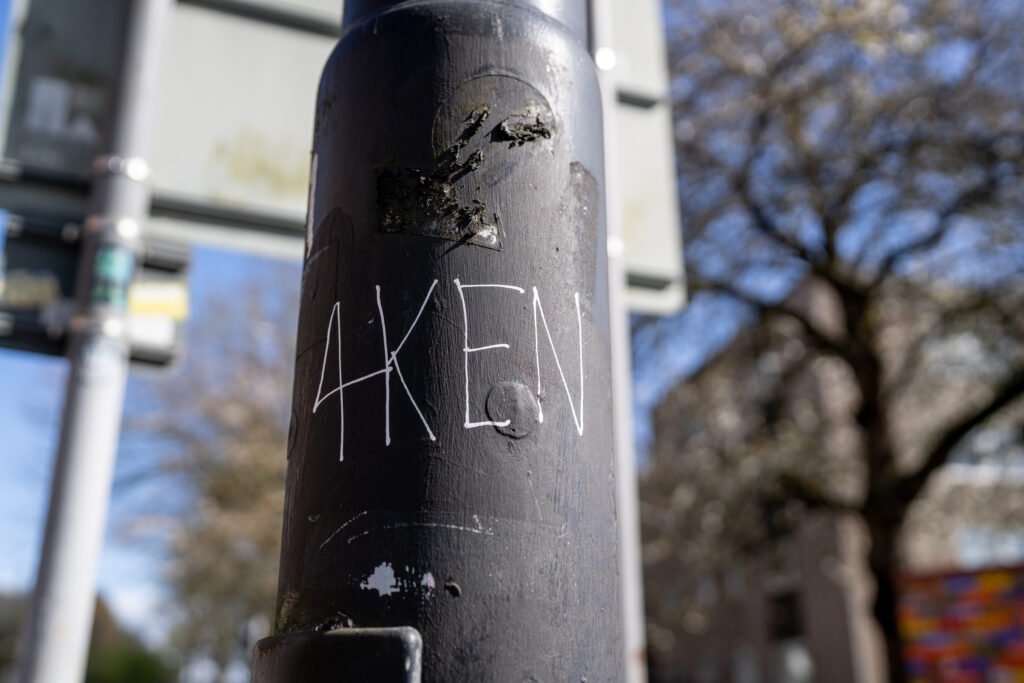
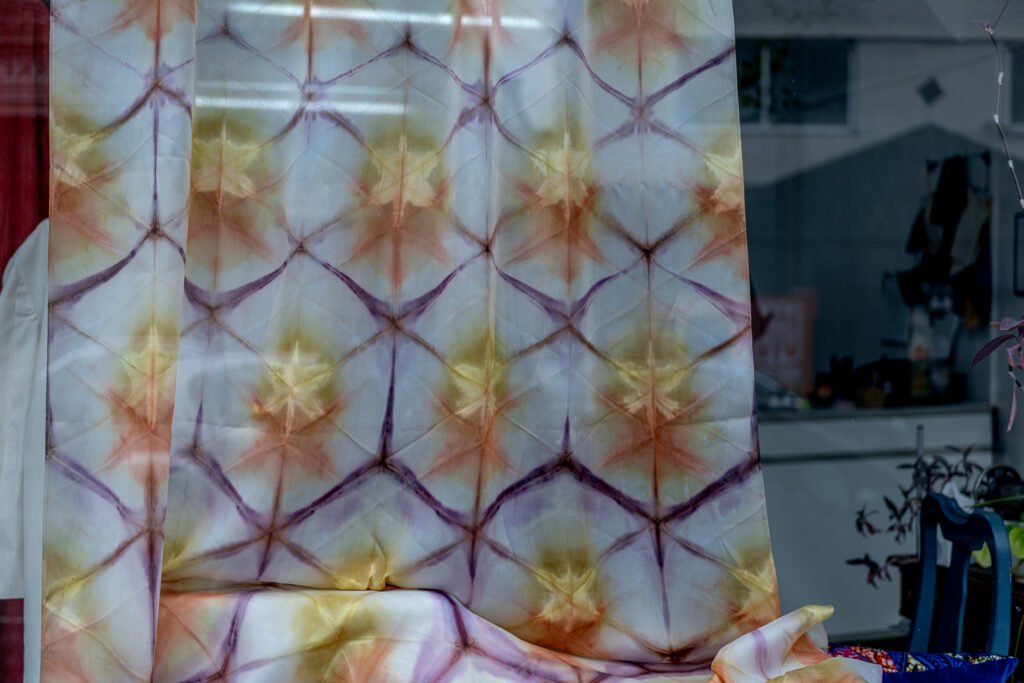
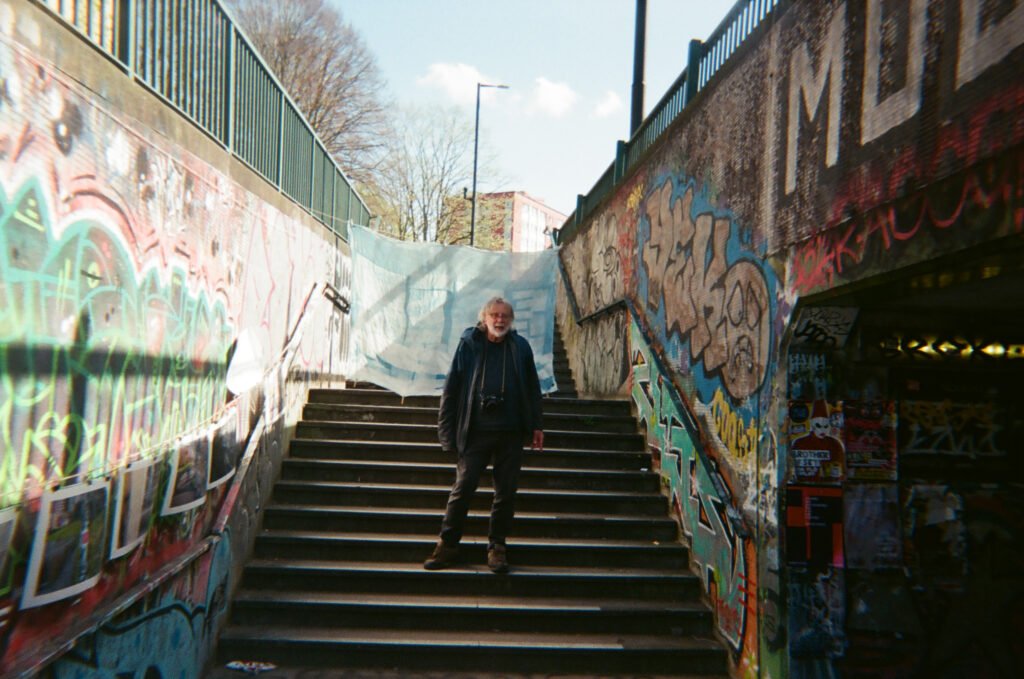
I continued to make portraits, this times asking people to complete the consent forms I had brought. The portraits made were by the lampost i had used often before, and also at the end of the Underpass where I hung again my Cyanotype cloth. This was also next to where I was exhibiting 12 images of the roundabout i had taken earlier in the Project.
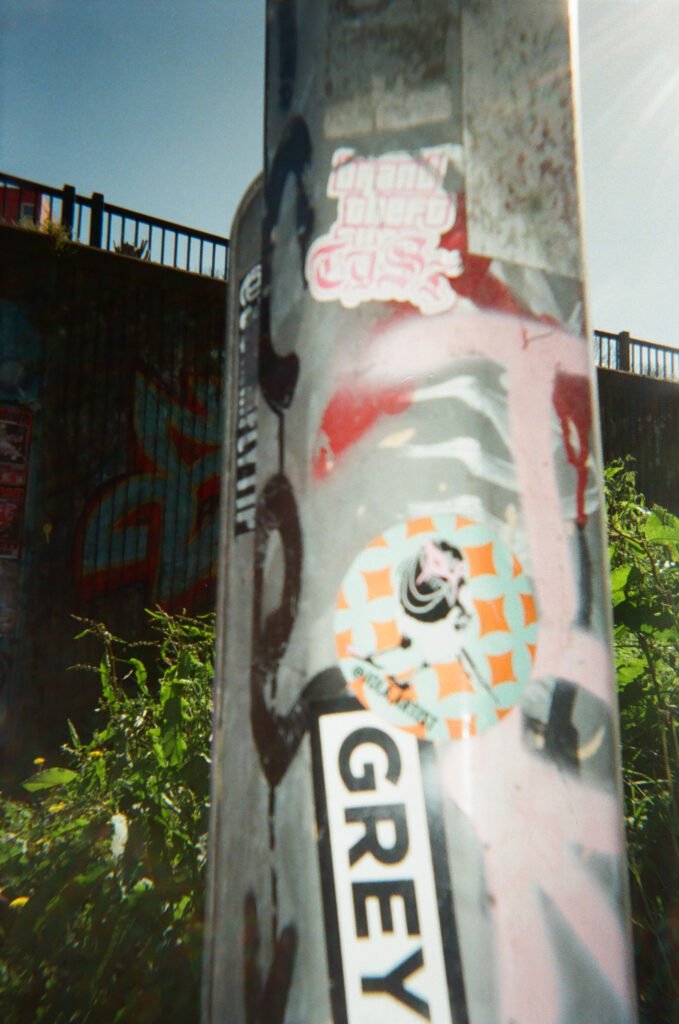
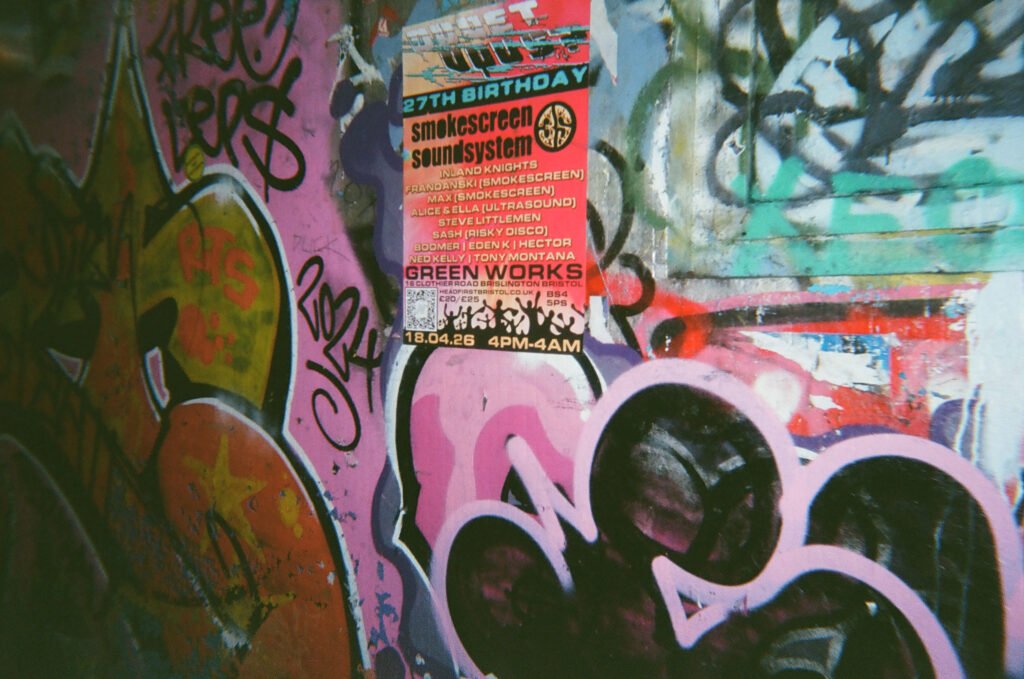
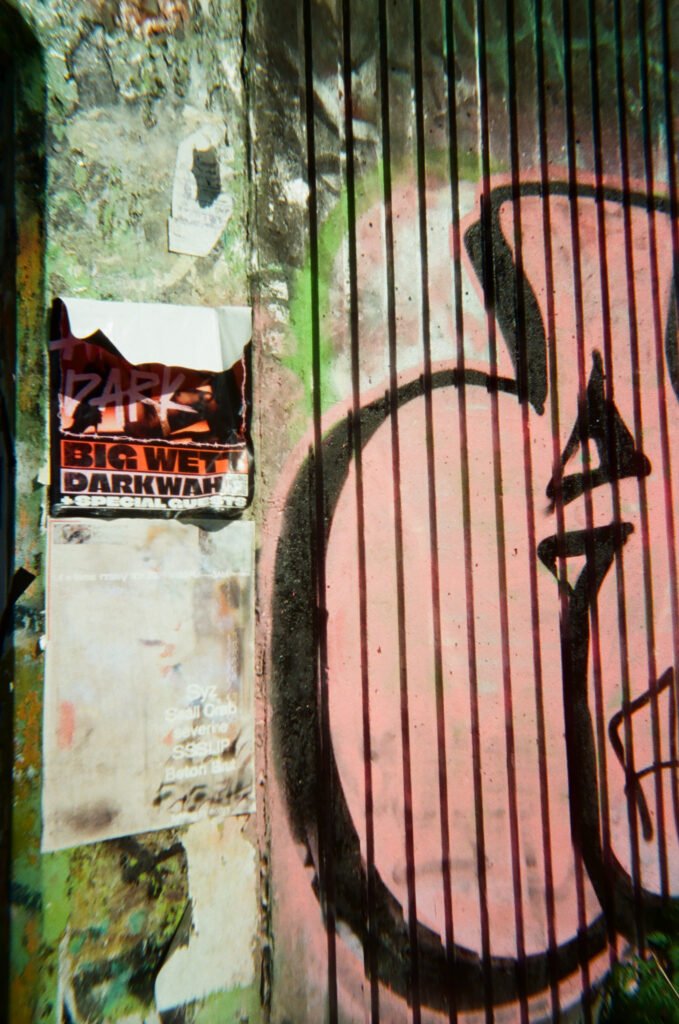
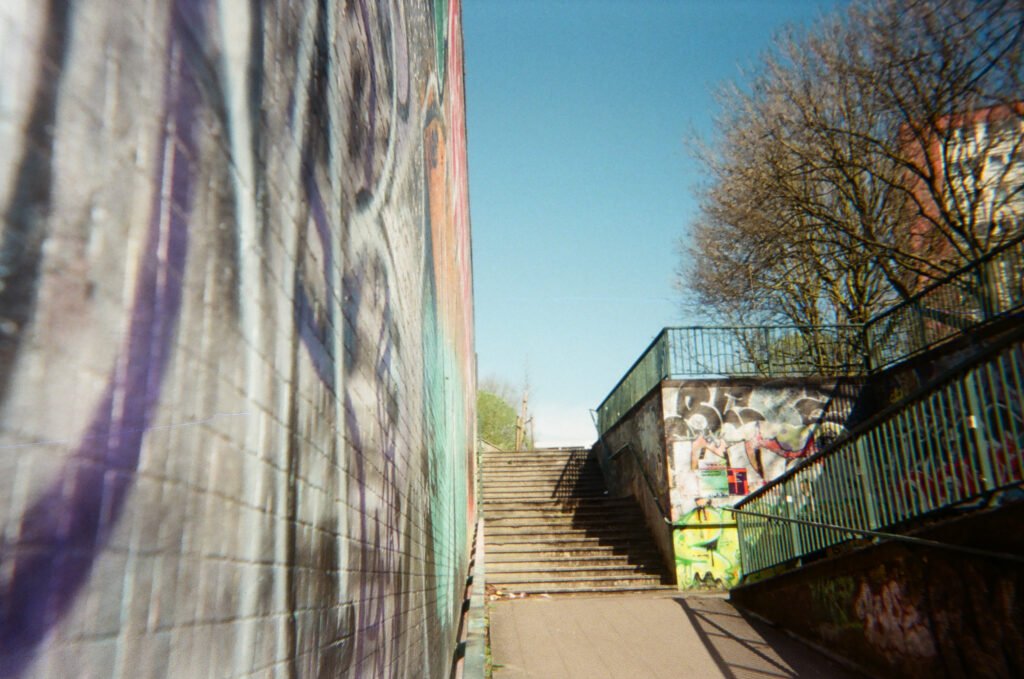
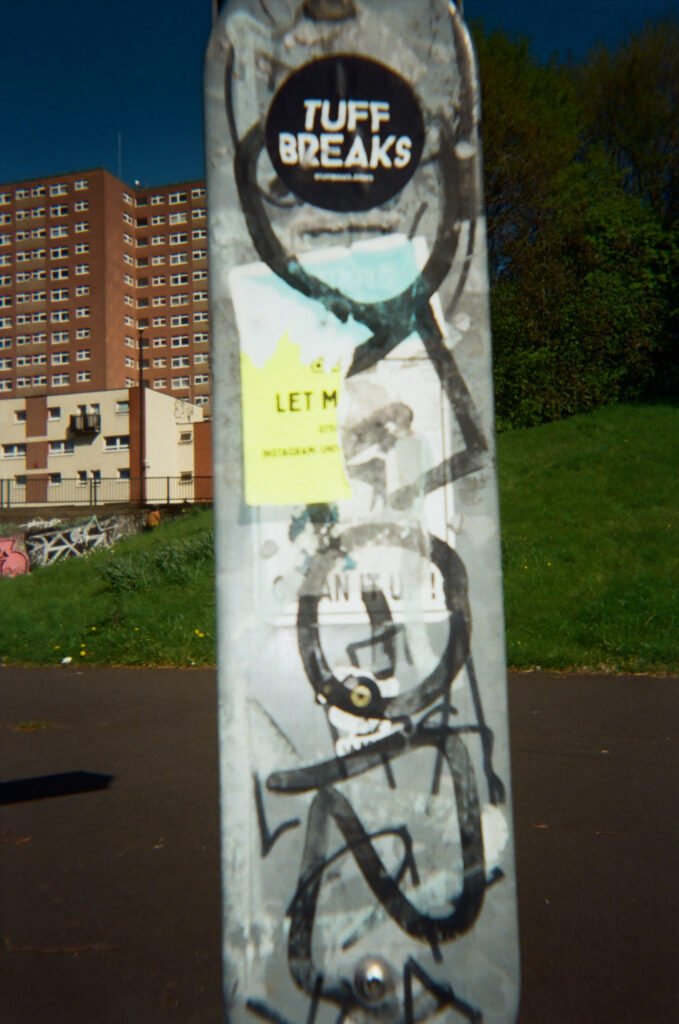
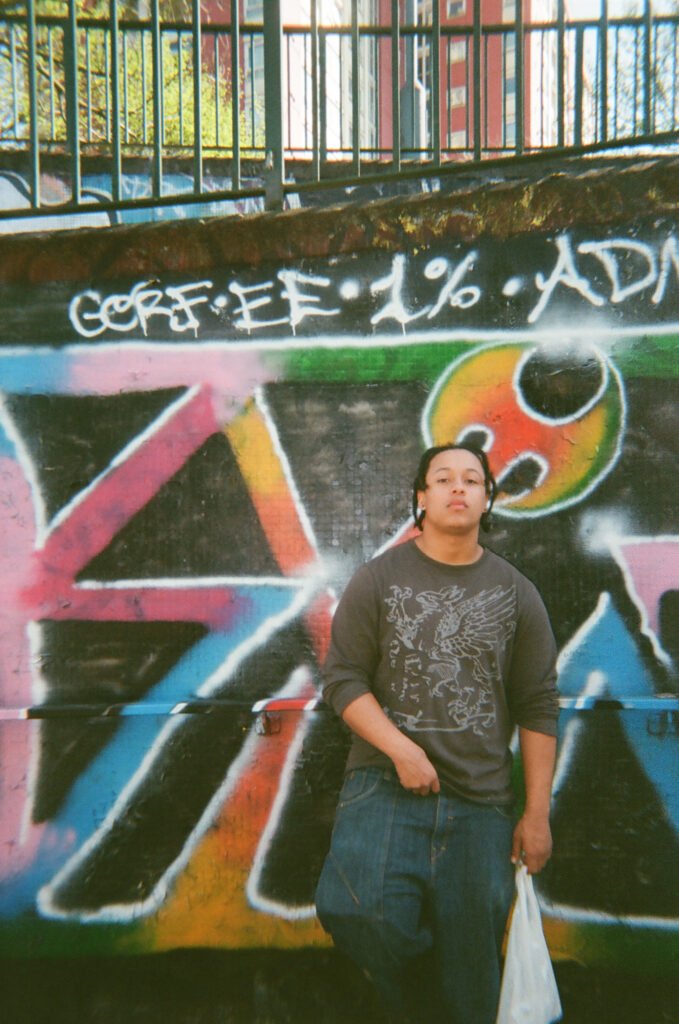
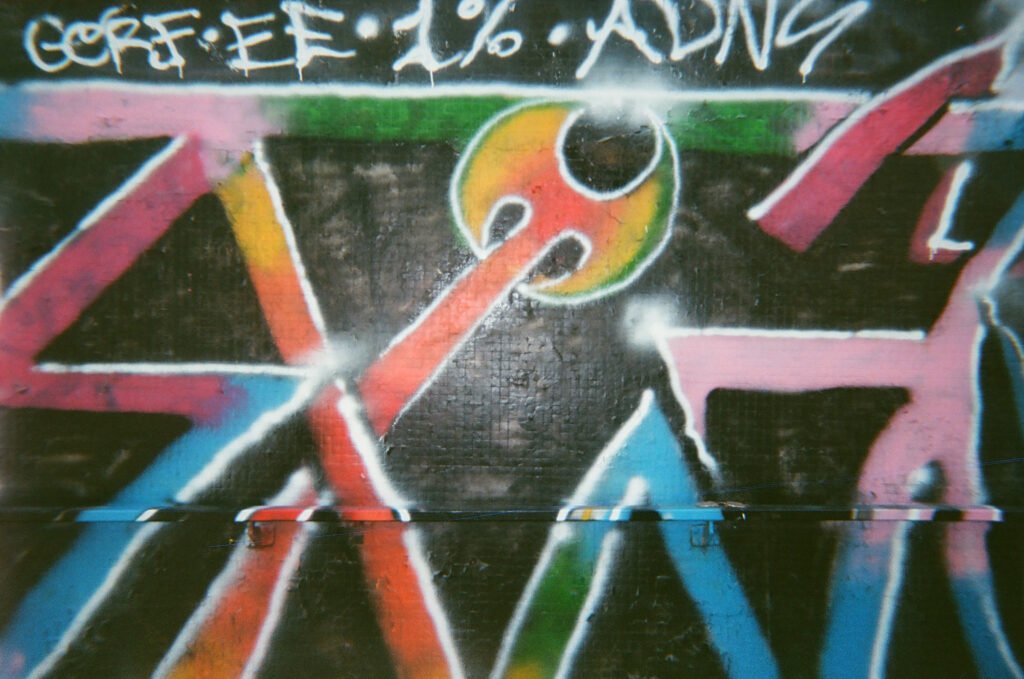
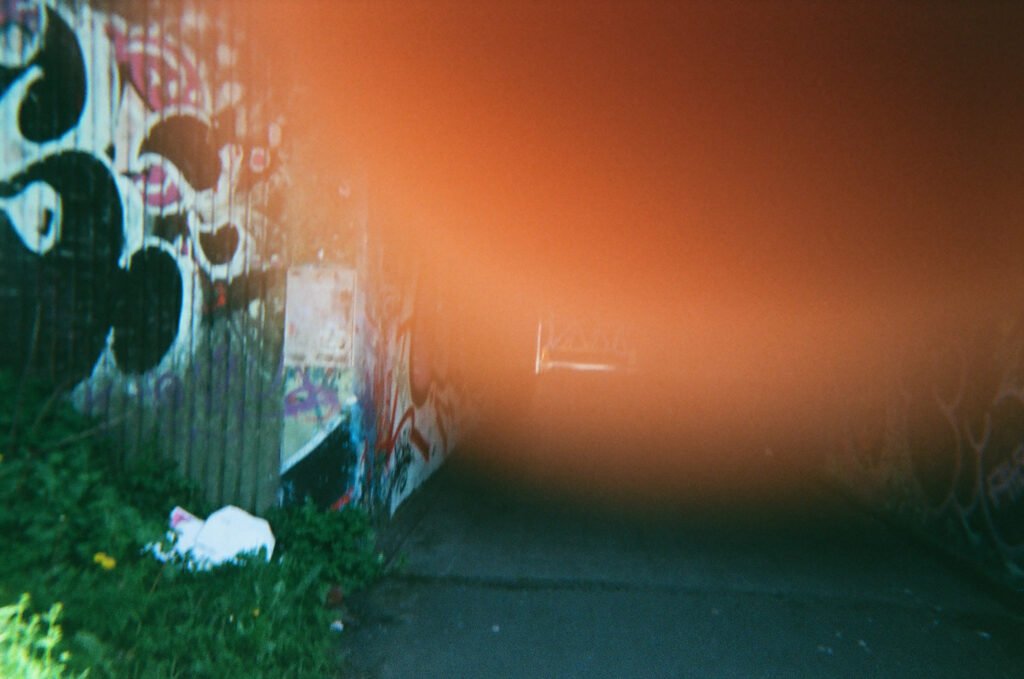
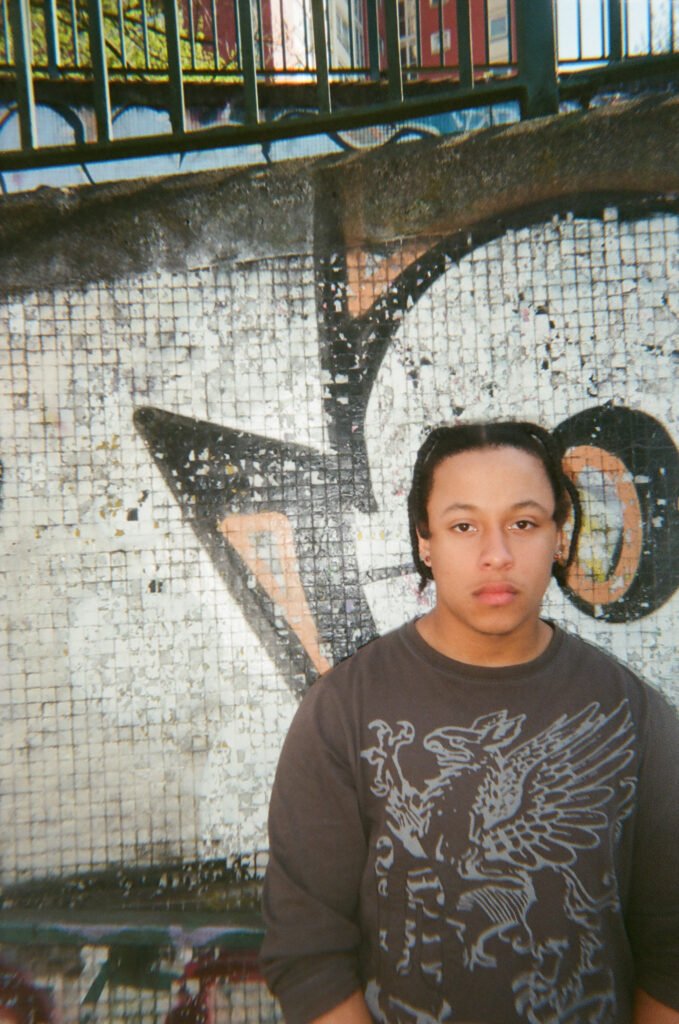
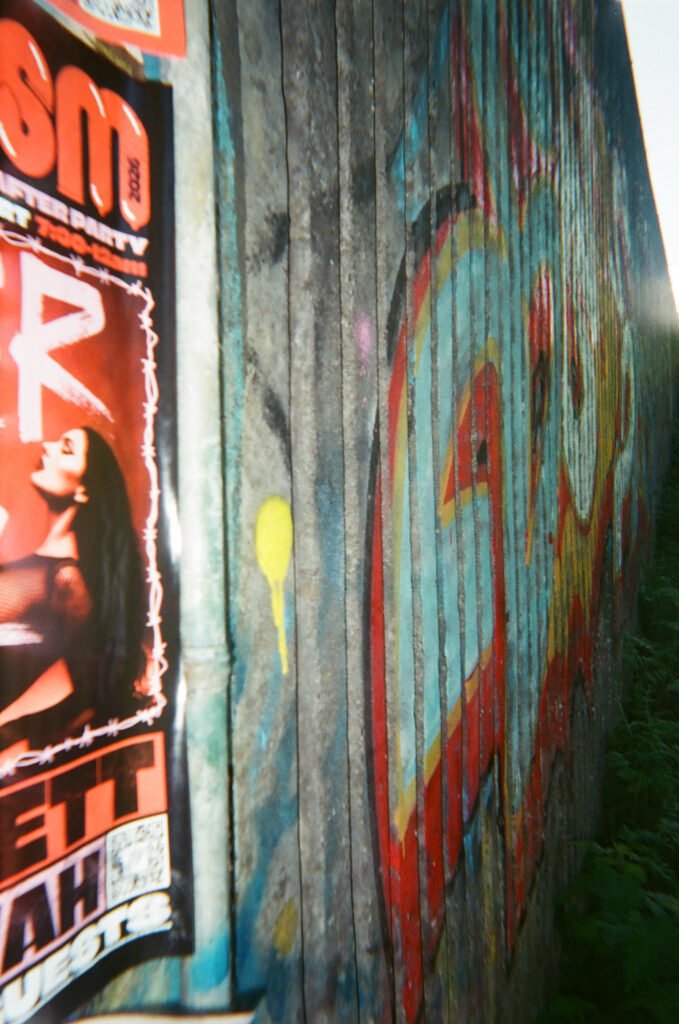
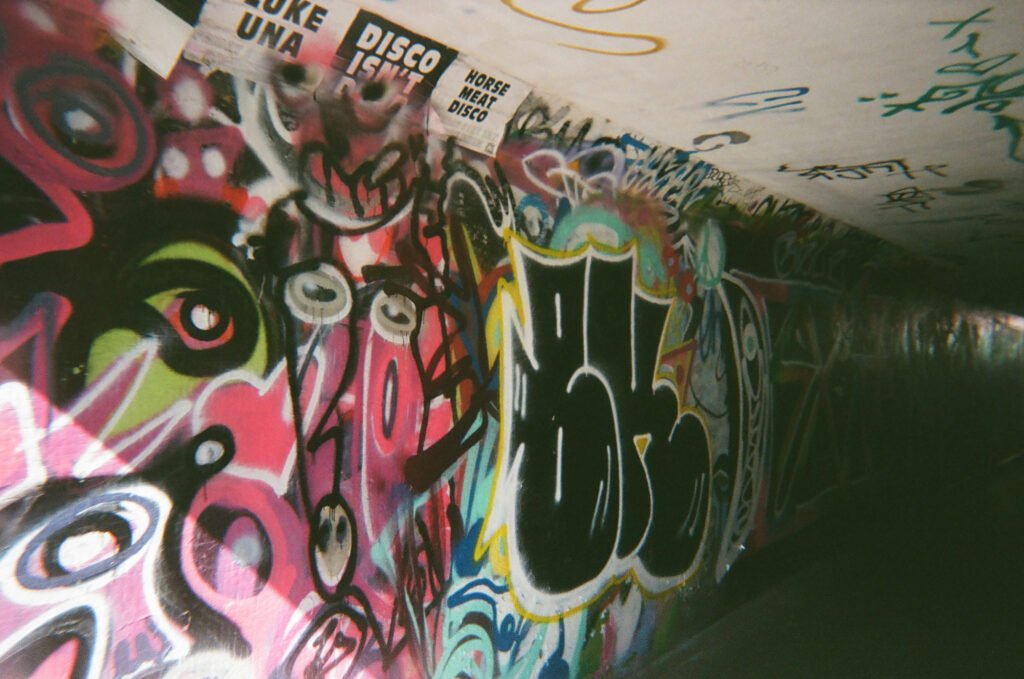
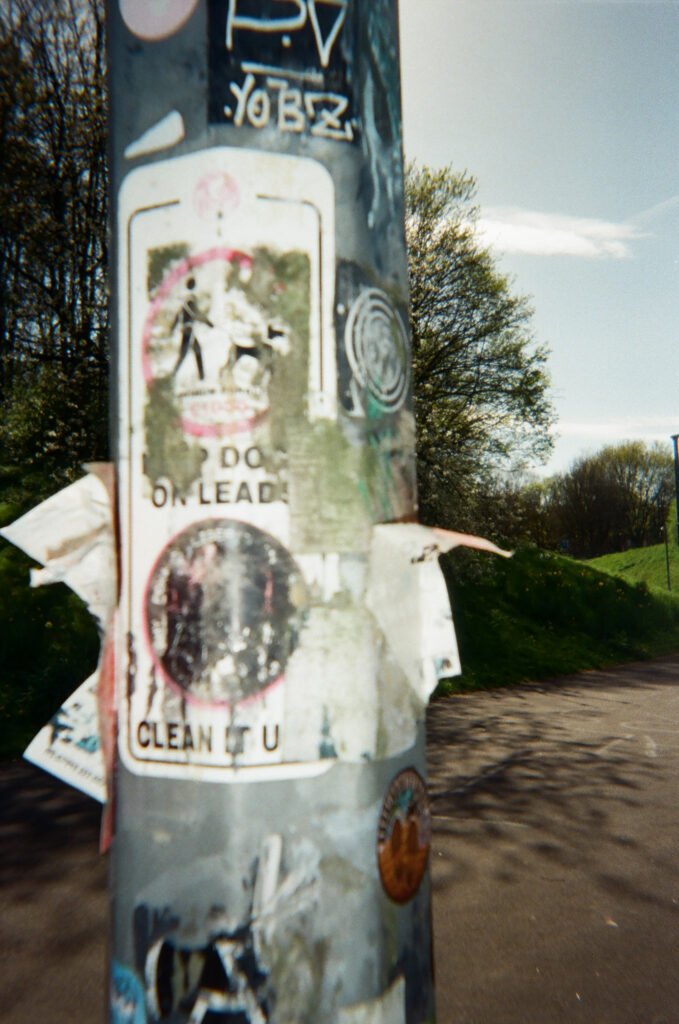
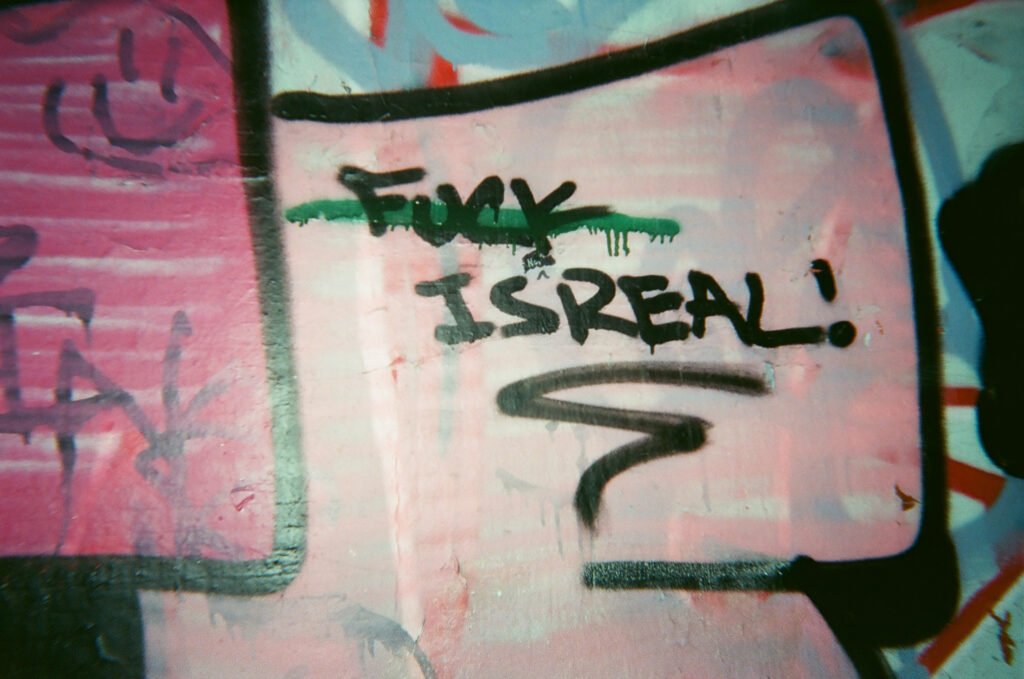
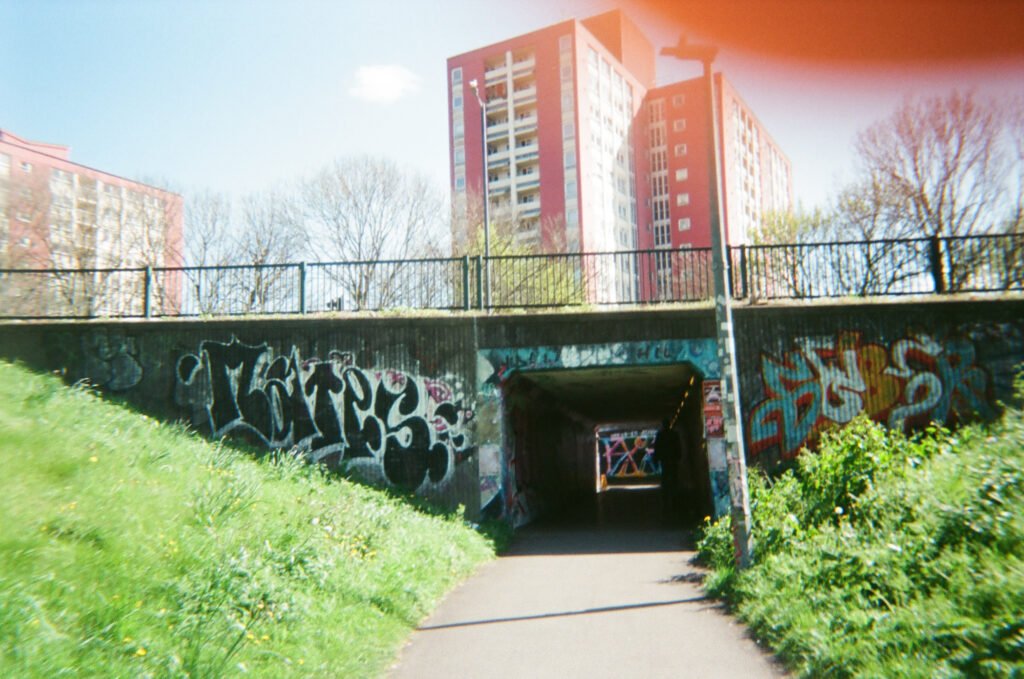
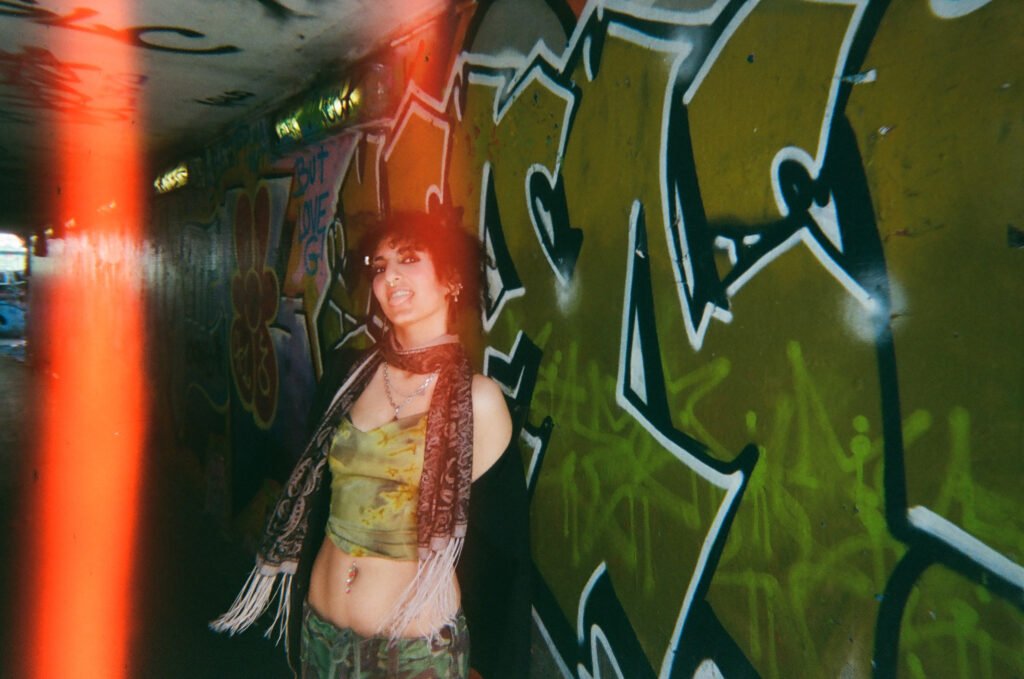
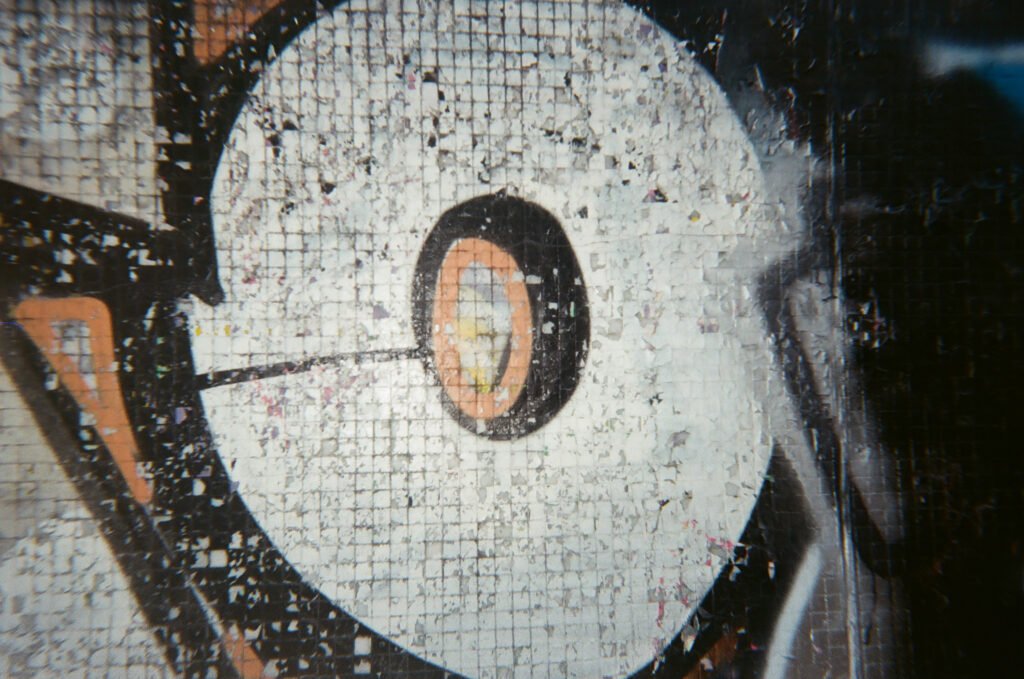
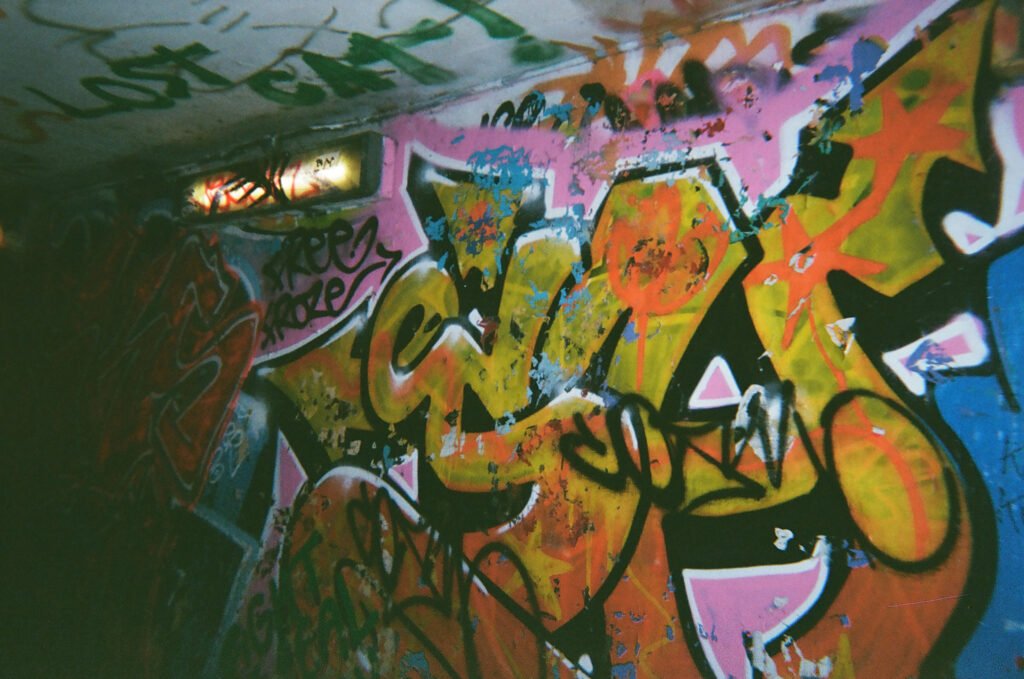
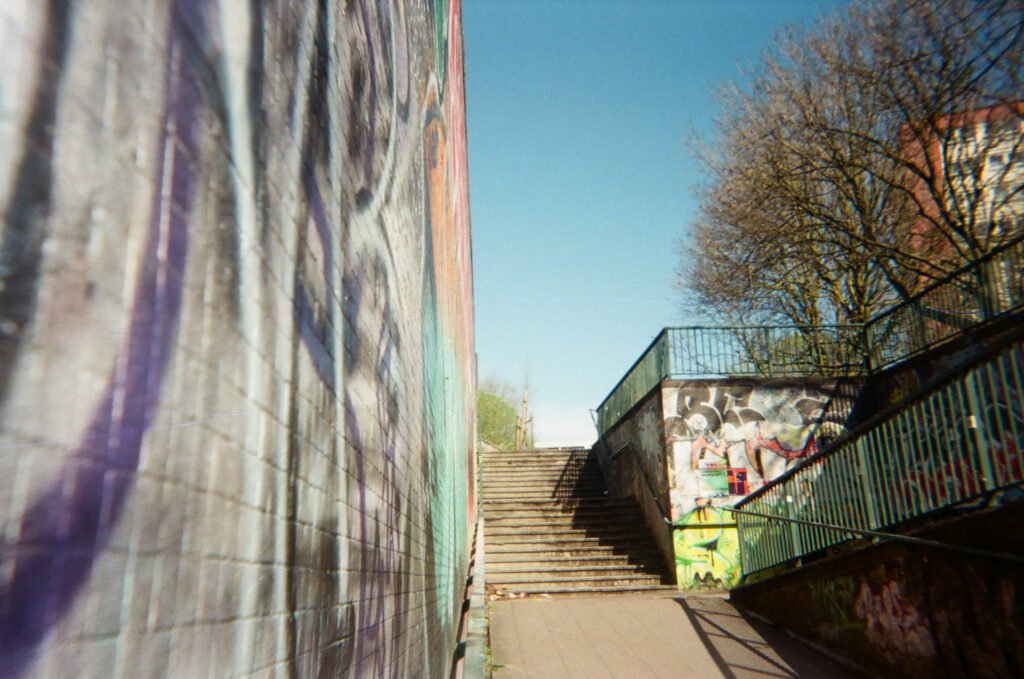
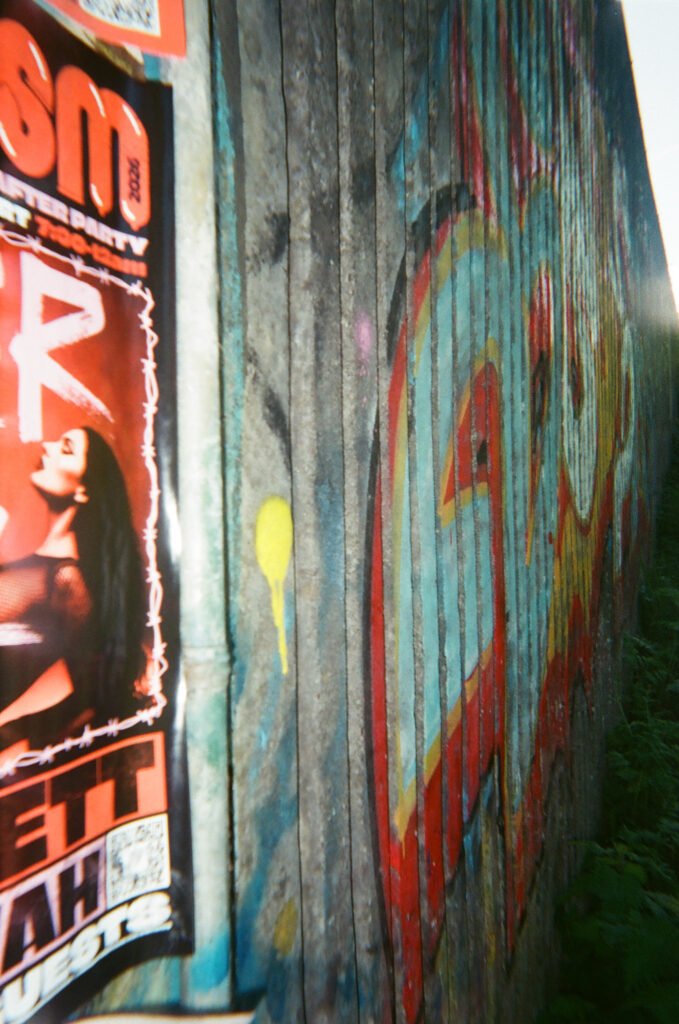
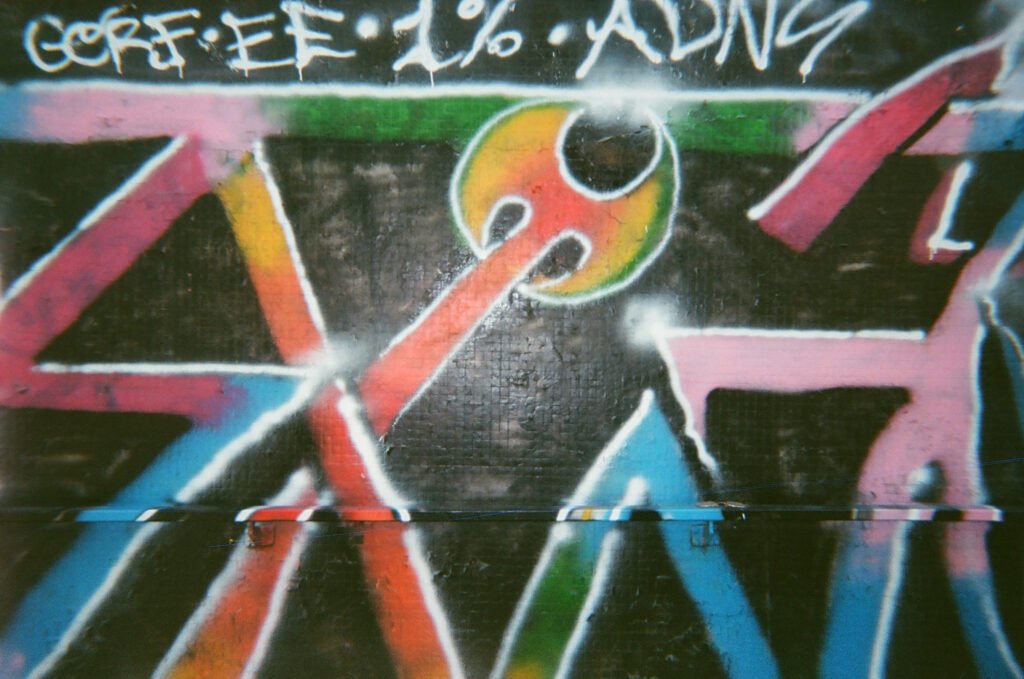
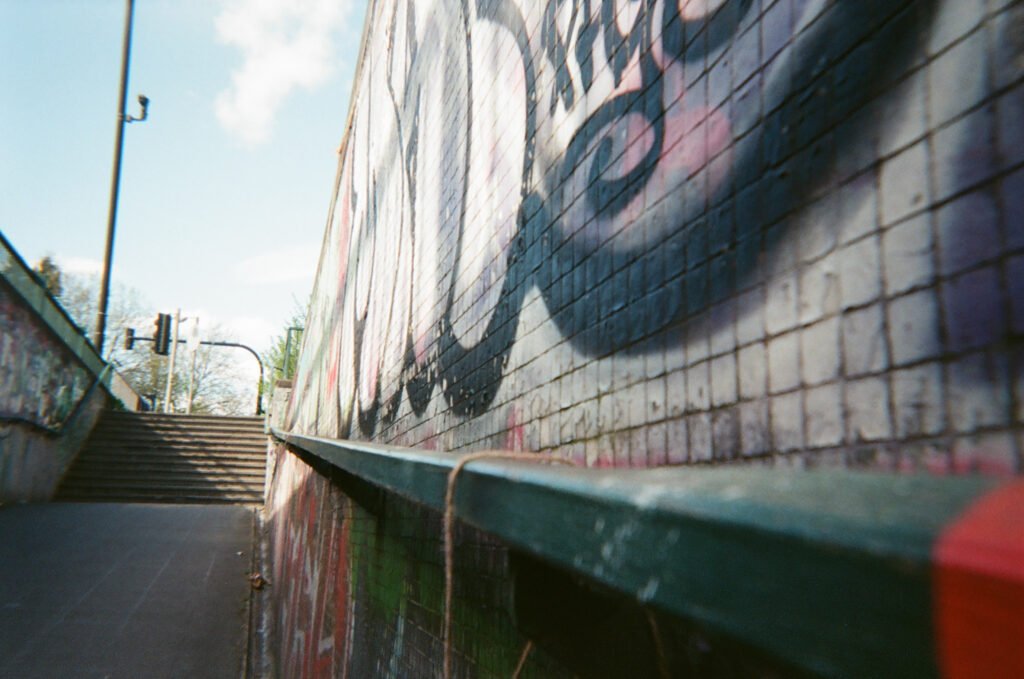
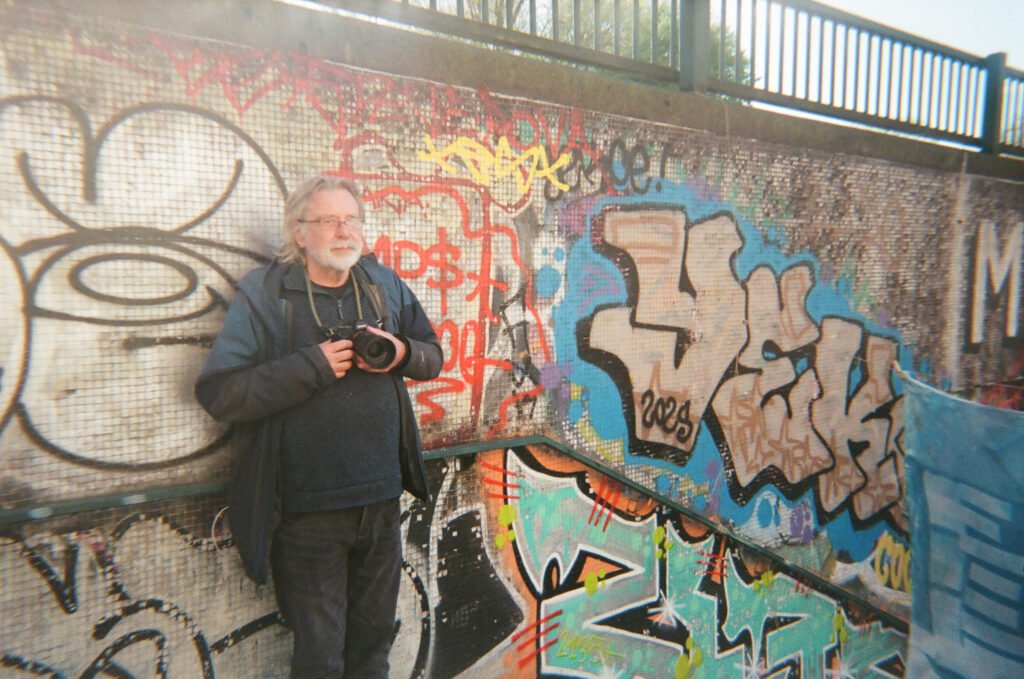
I had also brought 5 single use disposable film cameras for anyone to use to document their perception of the landscape. All 5 were issued but only 3 were returned.
I enclose here a gallery of the images from the 3 returned disposable cameras.
Camera 1
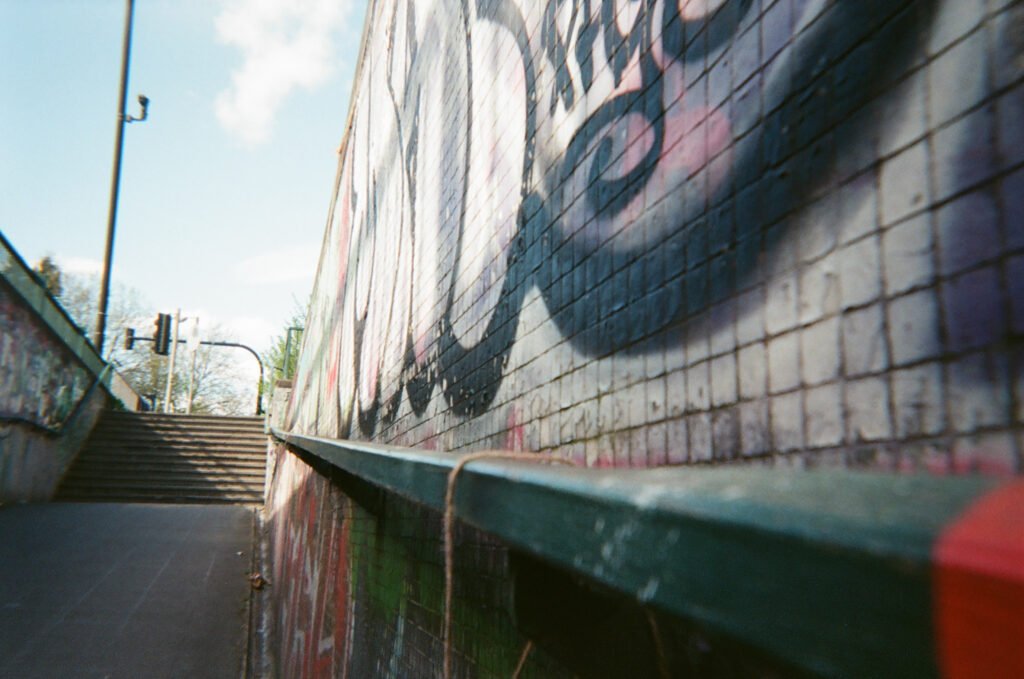
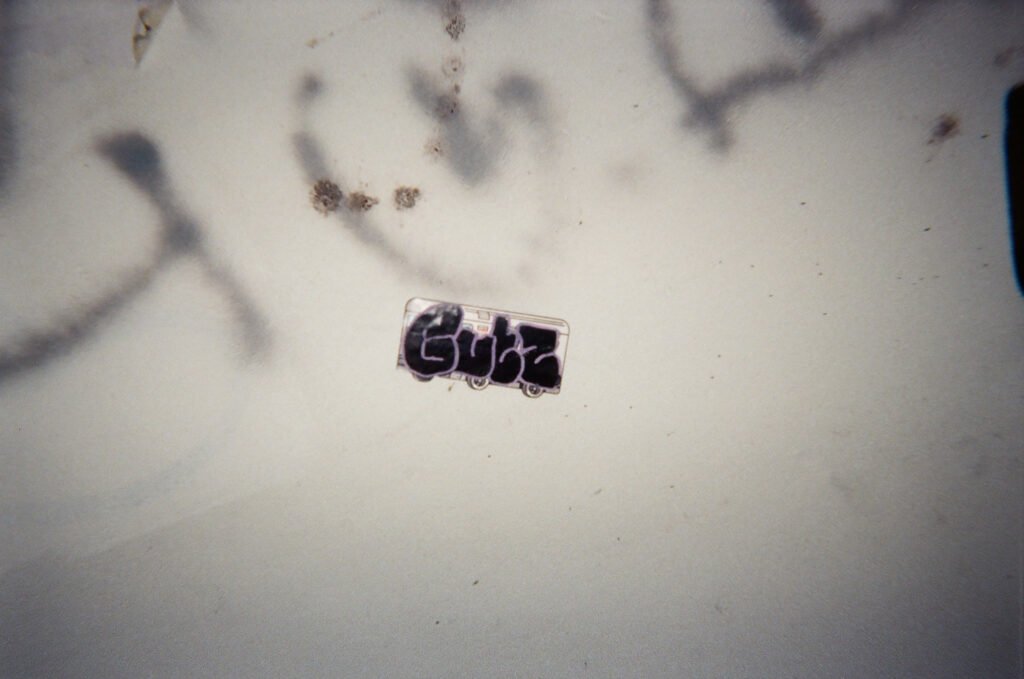
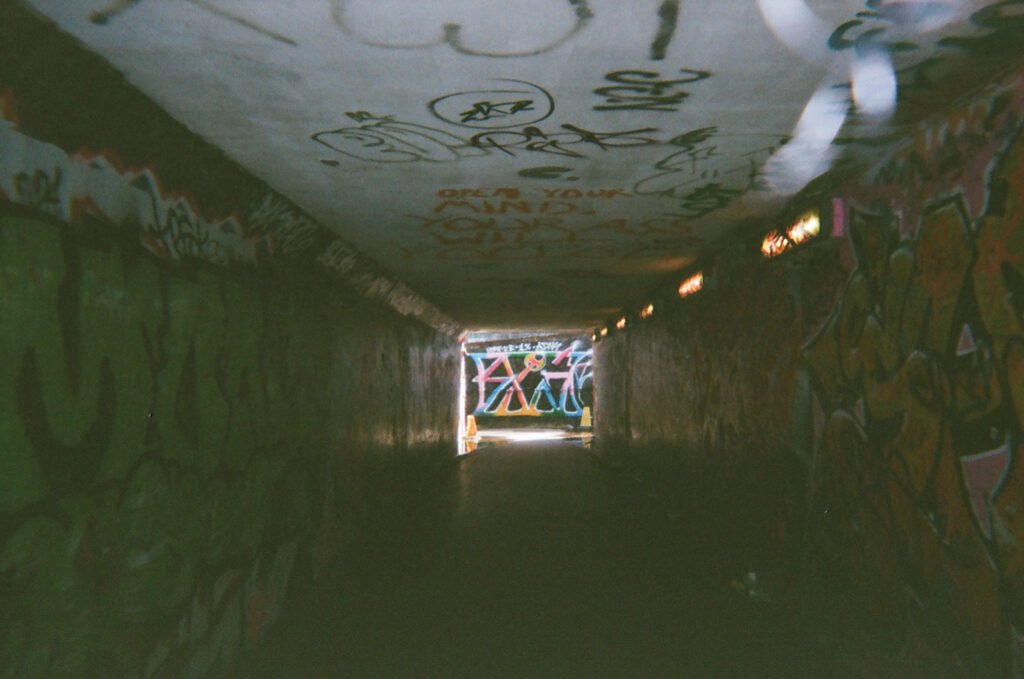
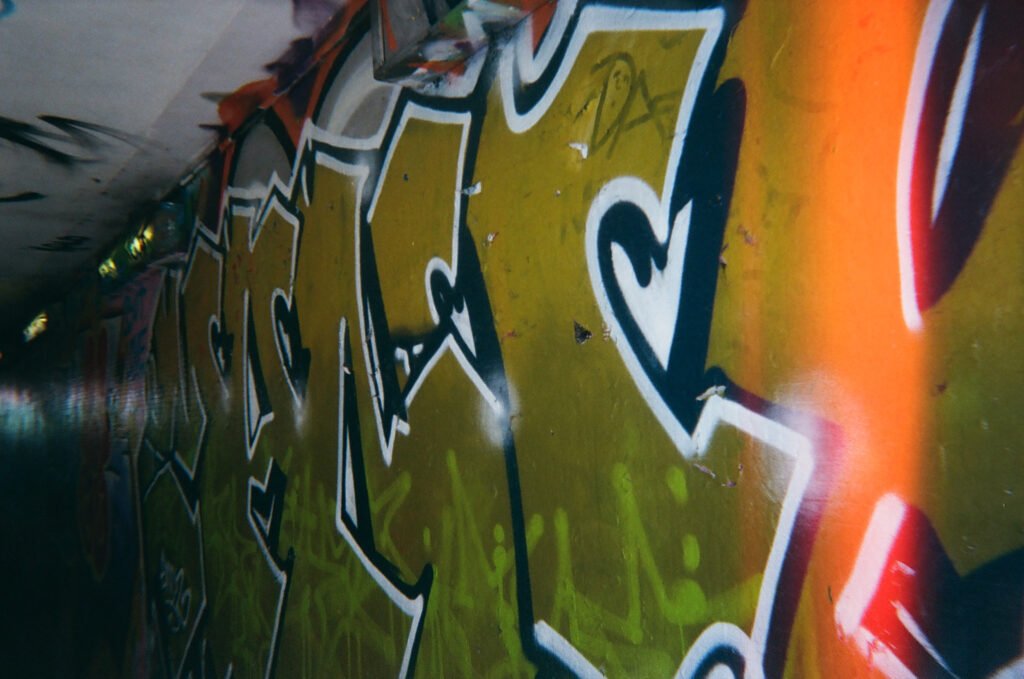
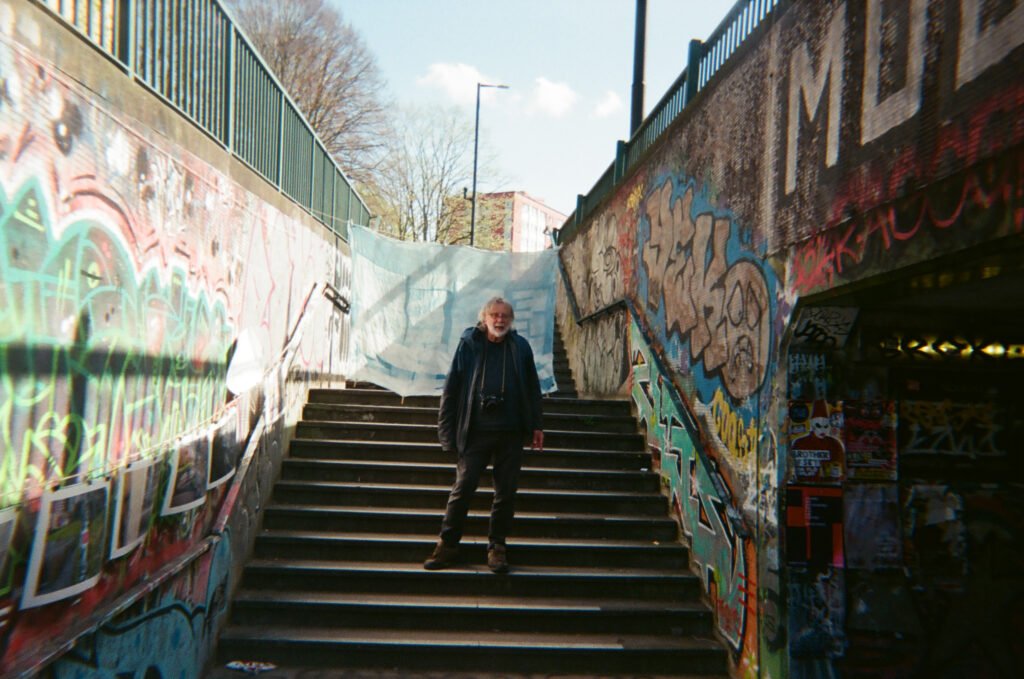
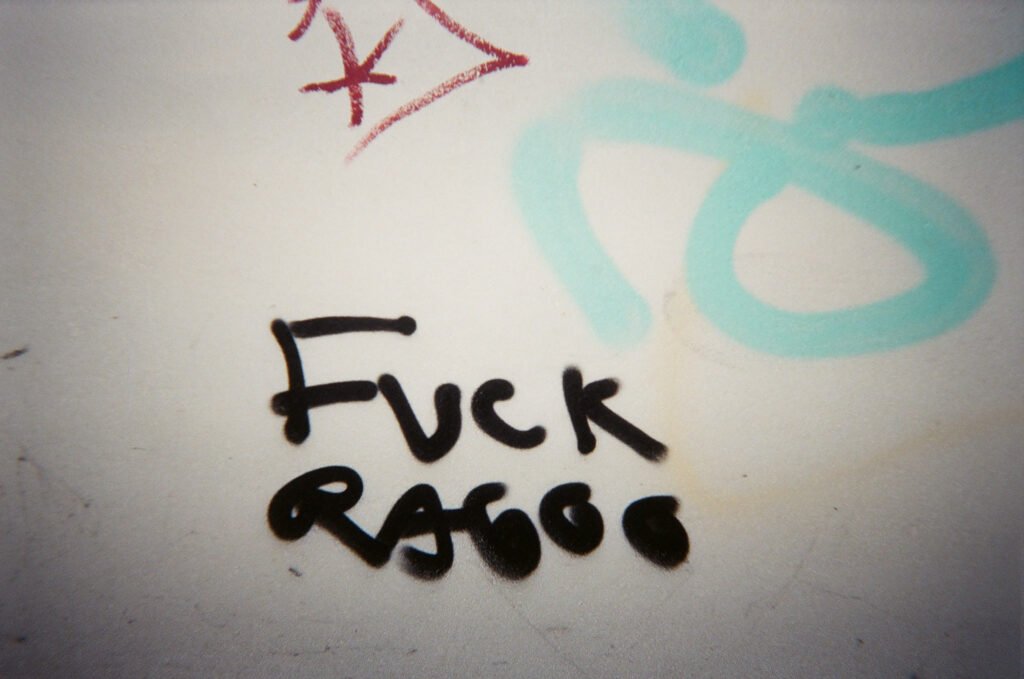
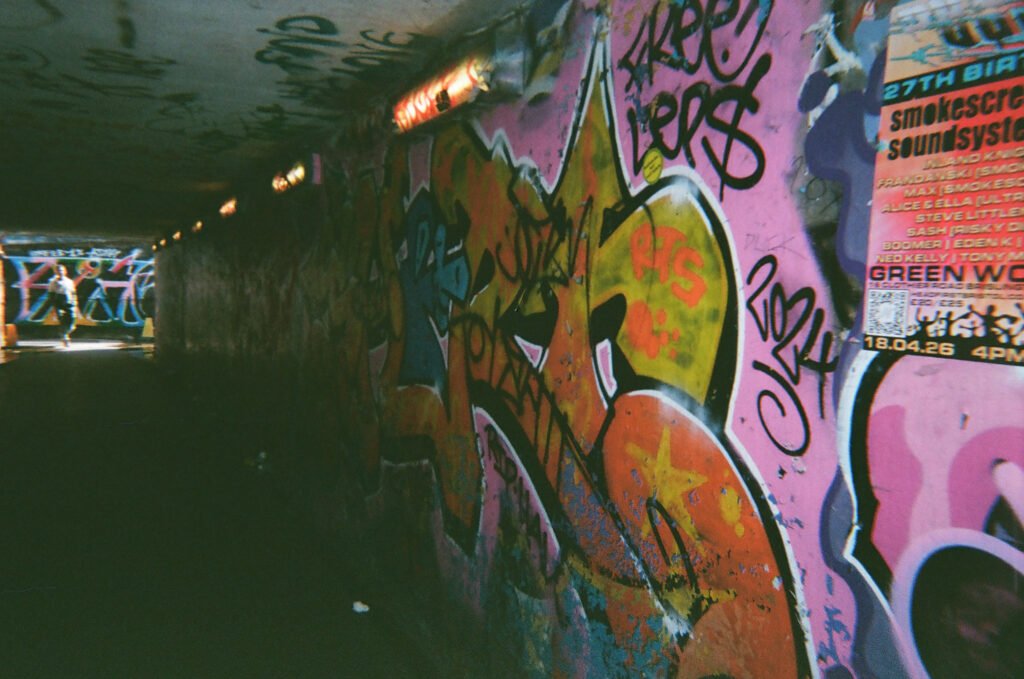
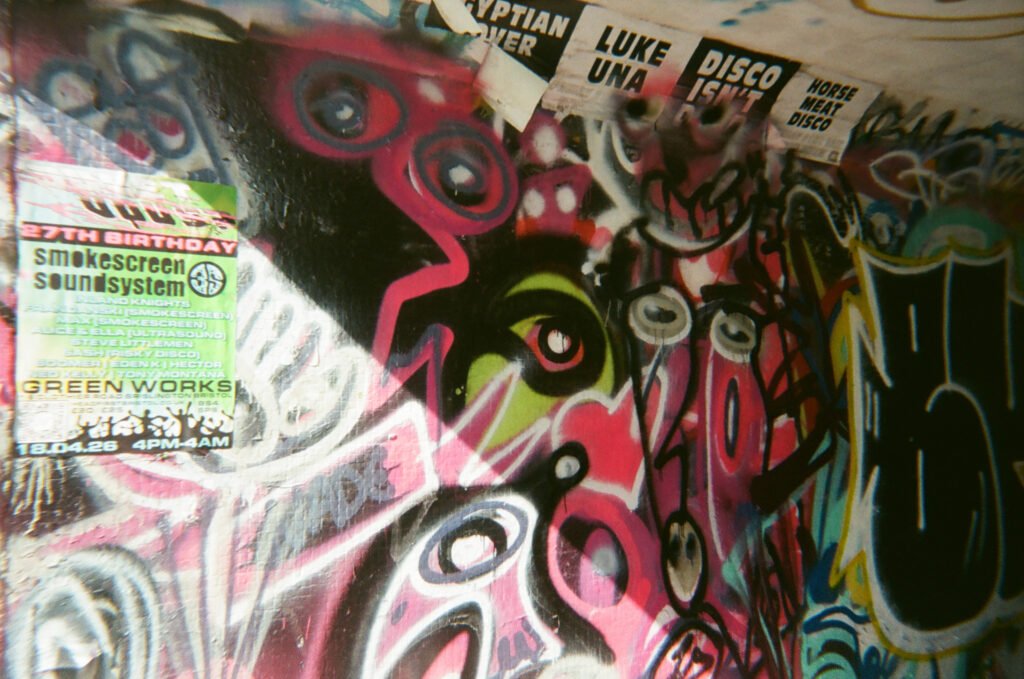
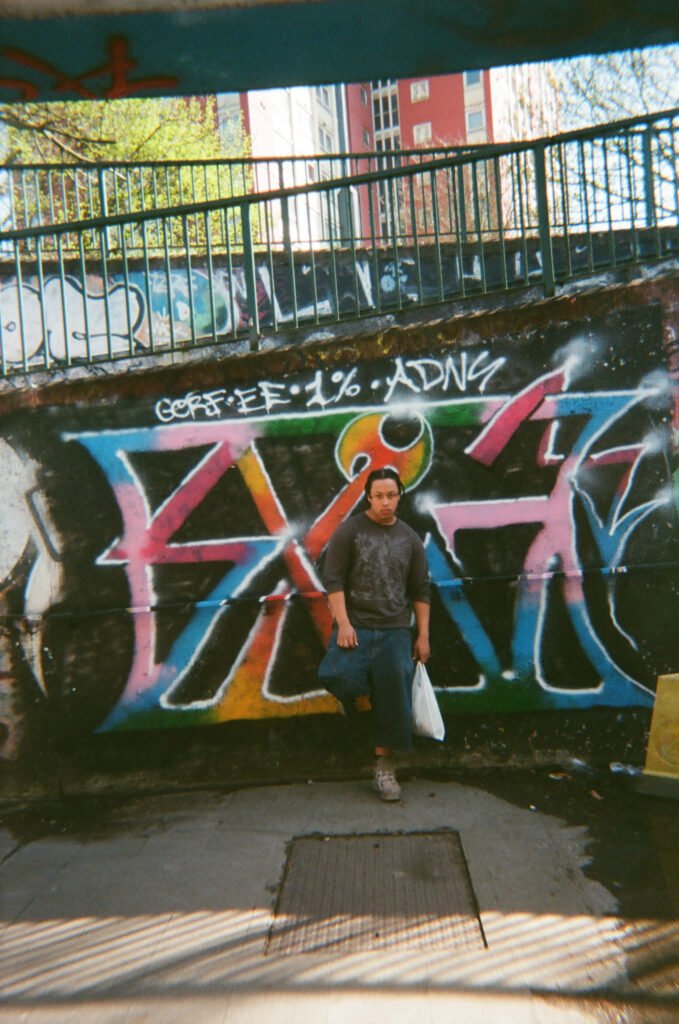
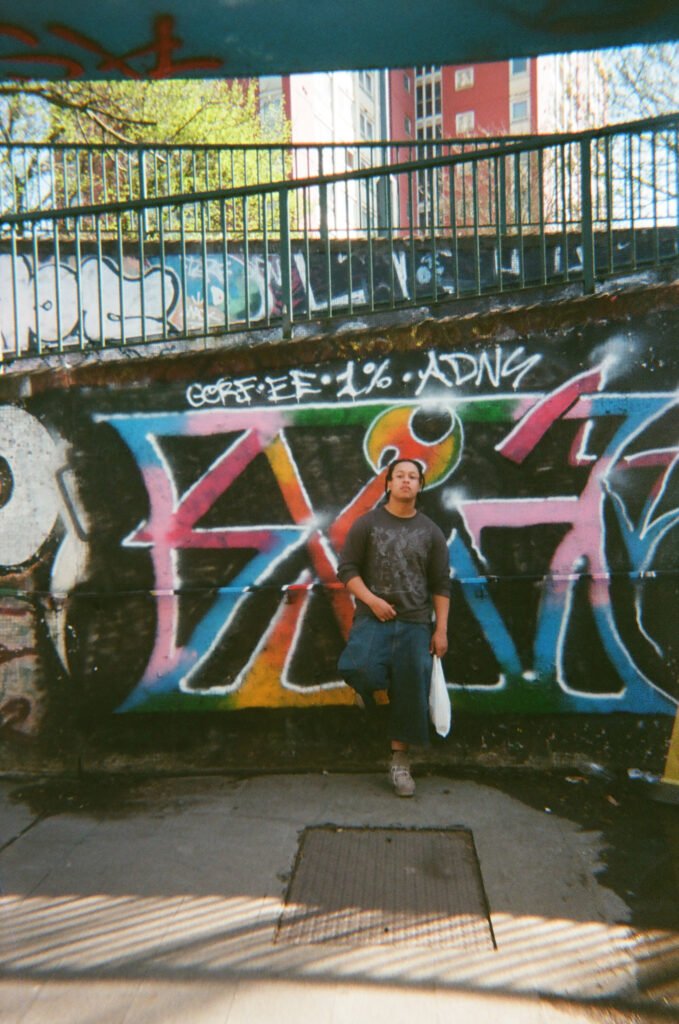
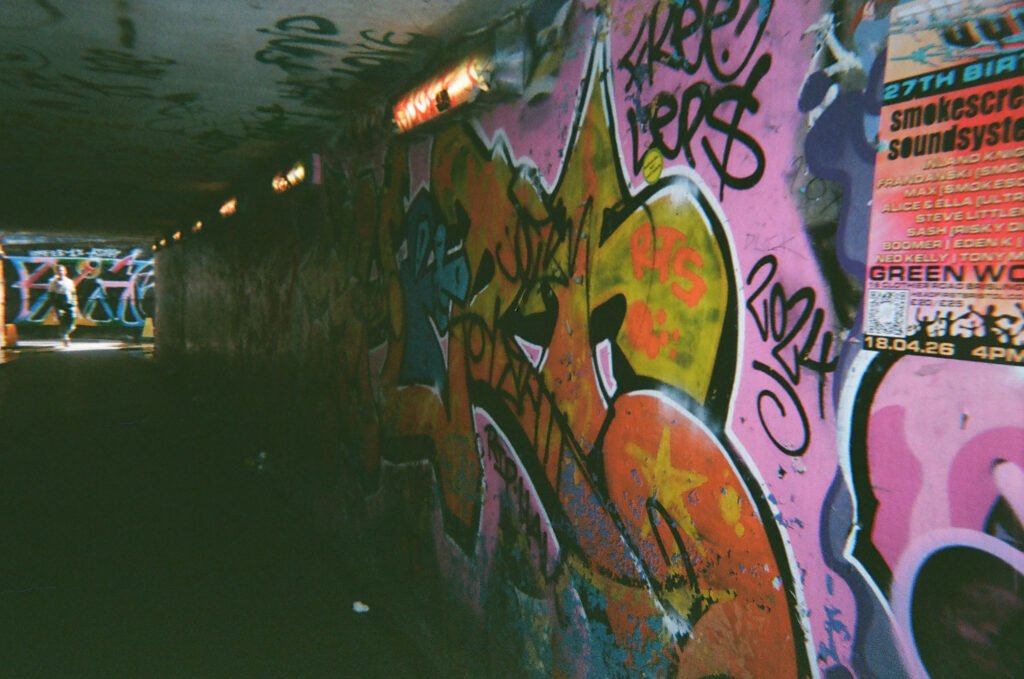
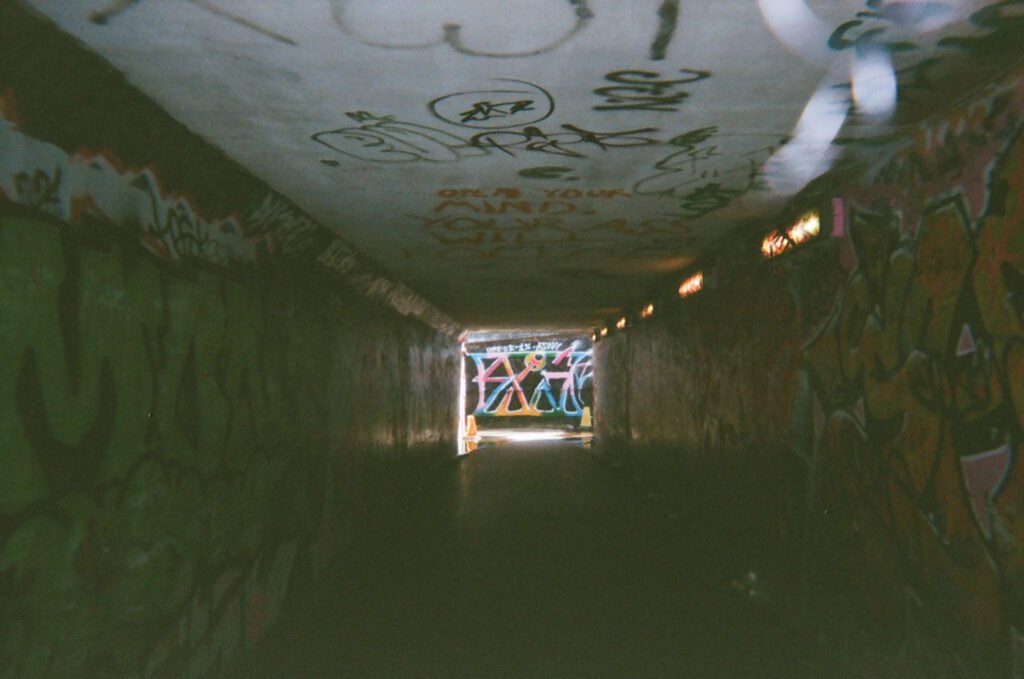
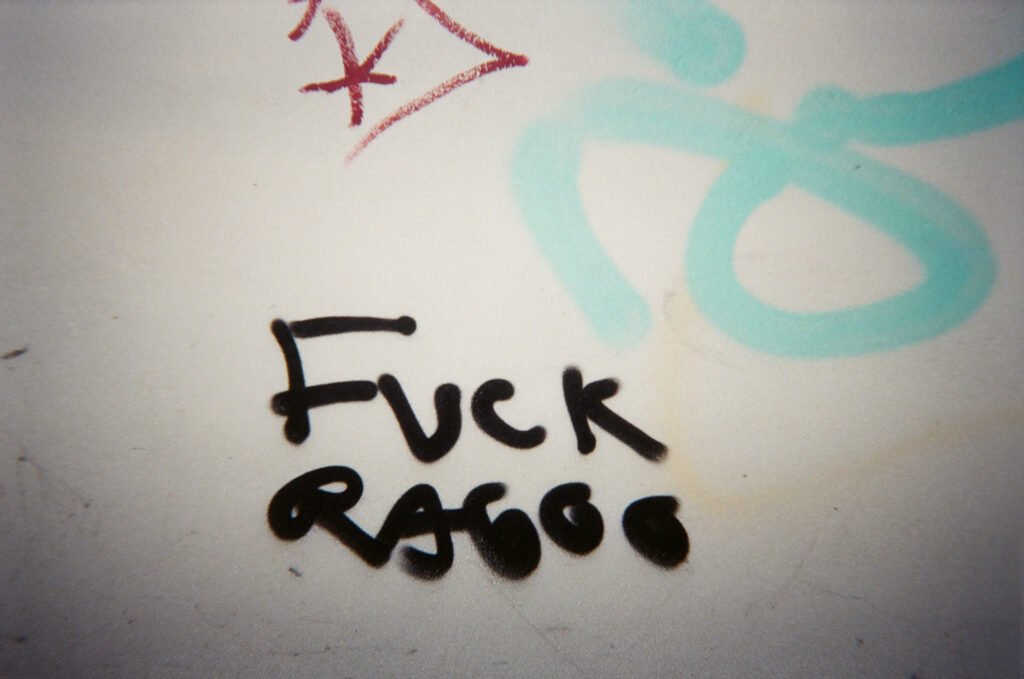
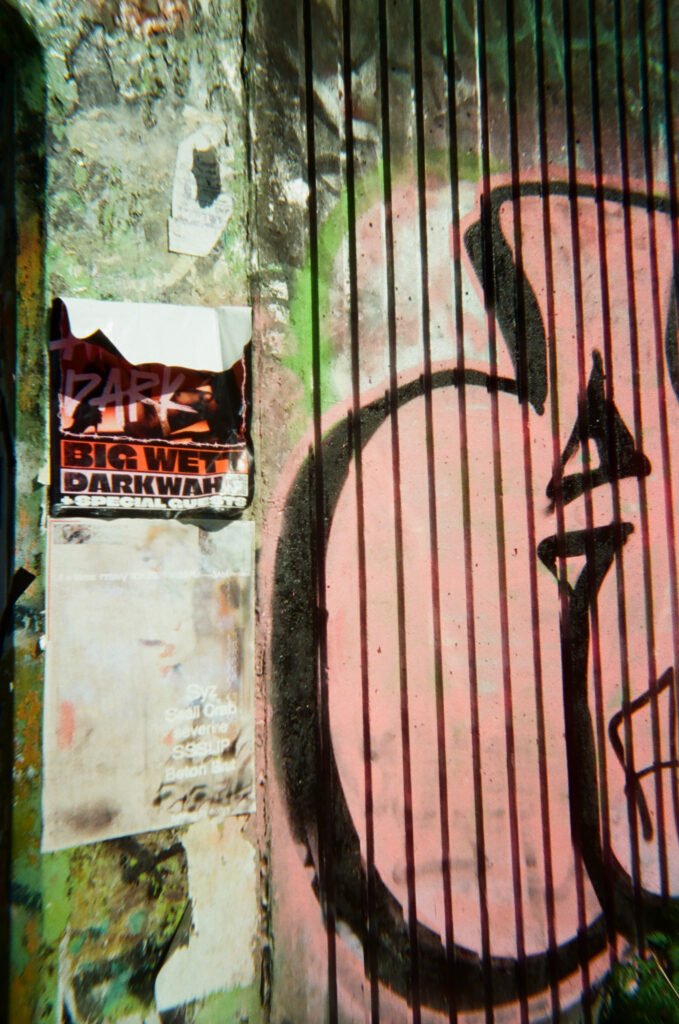
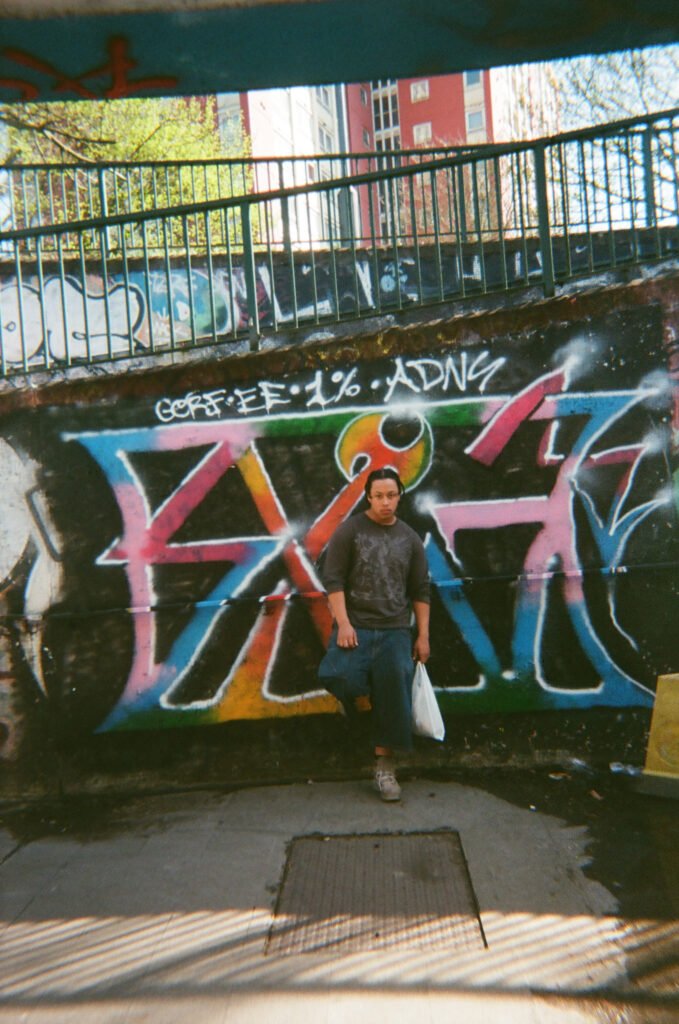
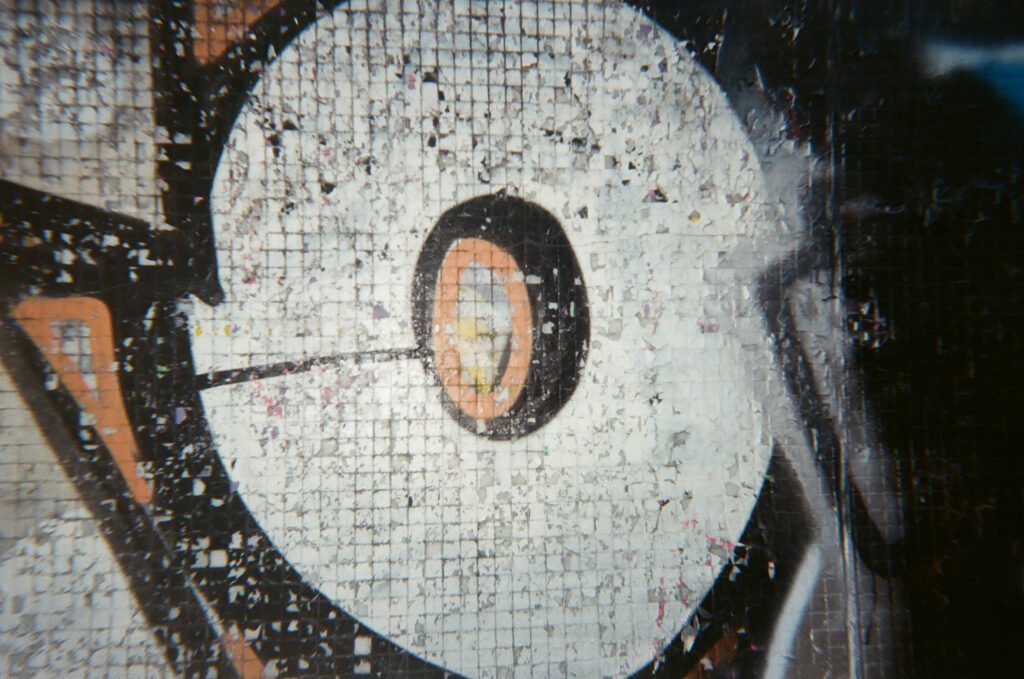
Camera 2
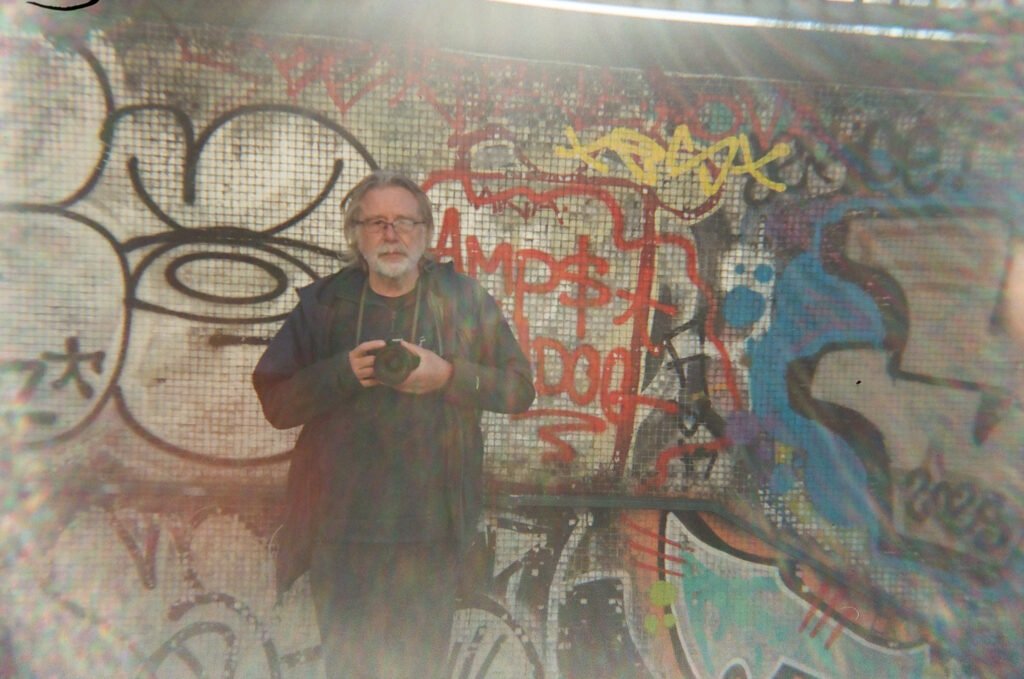
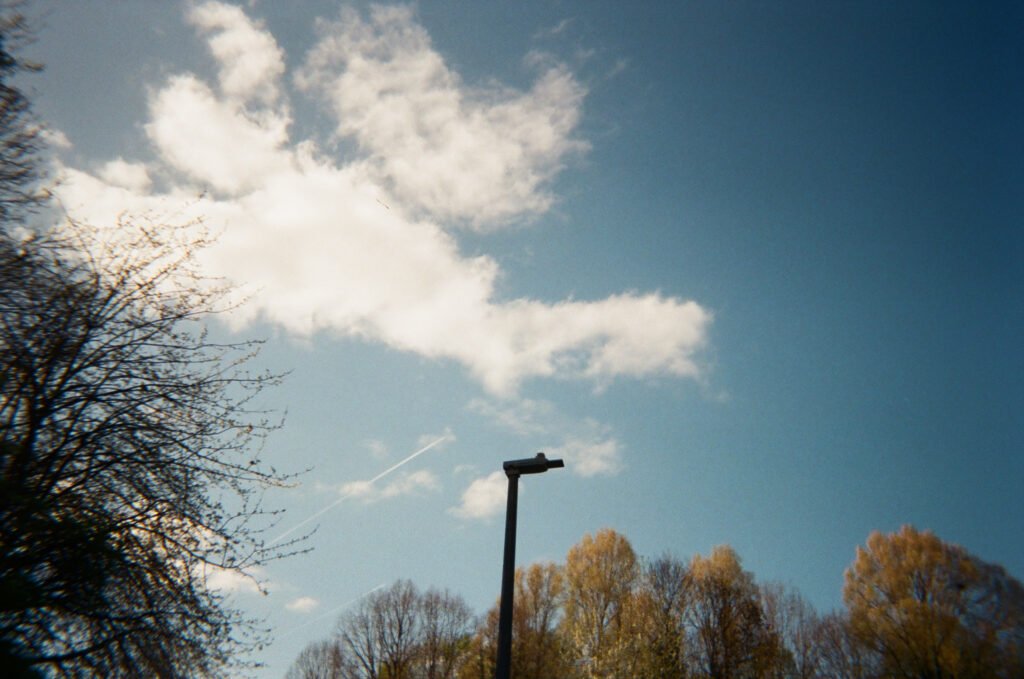
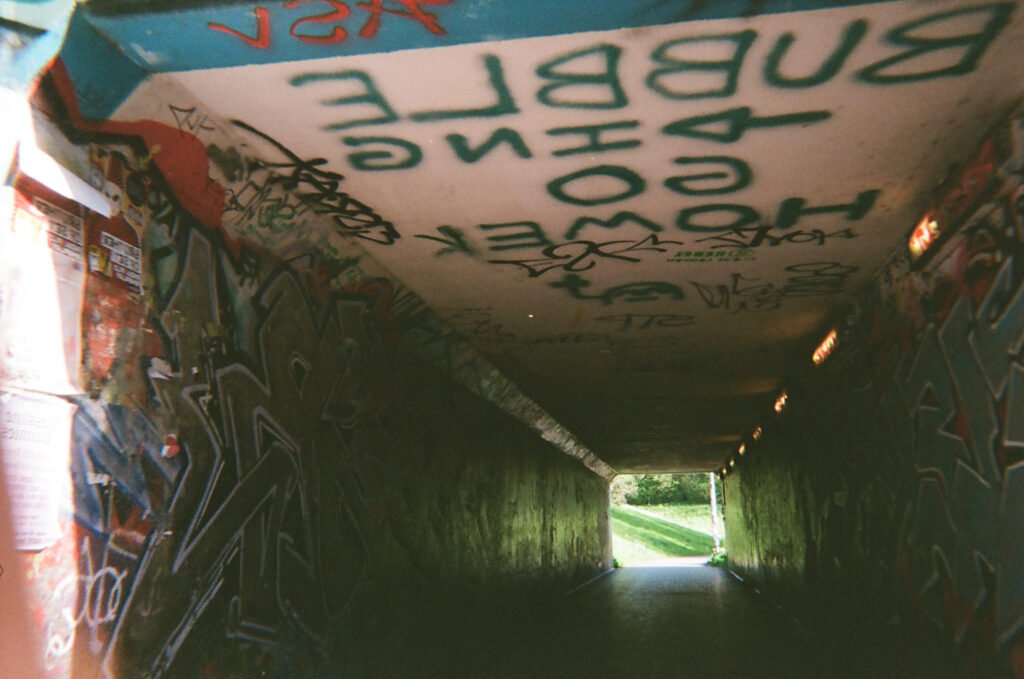
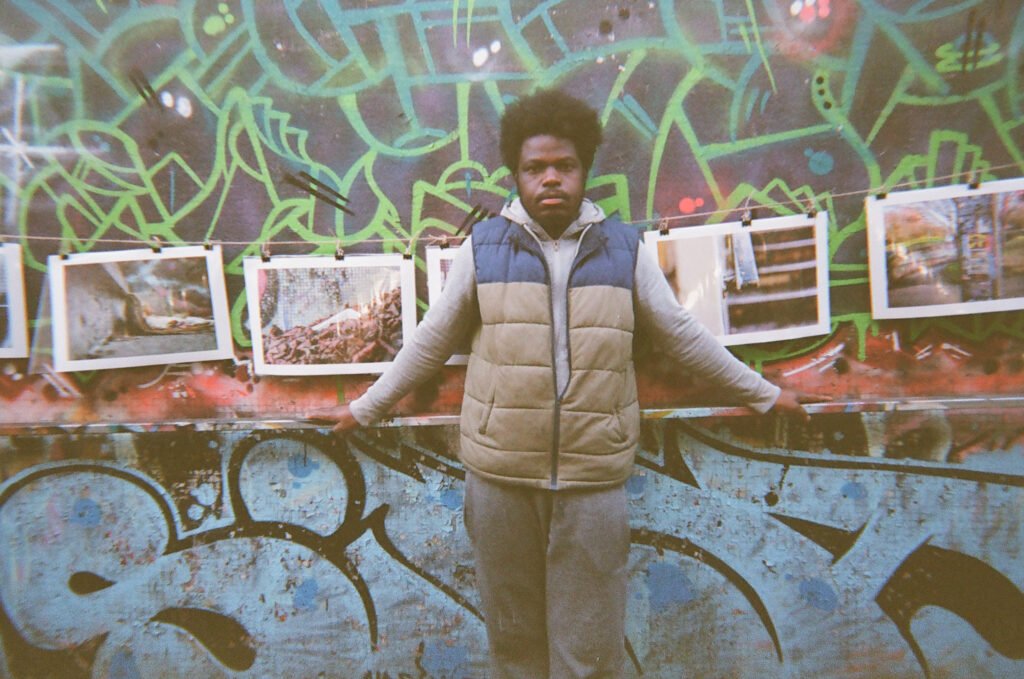
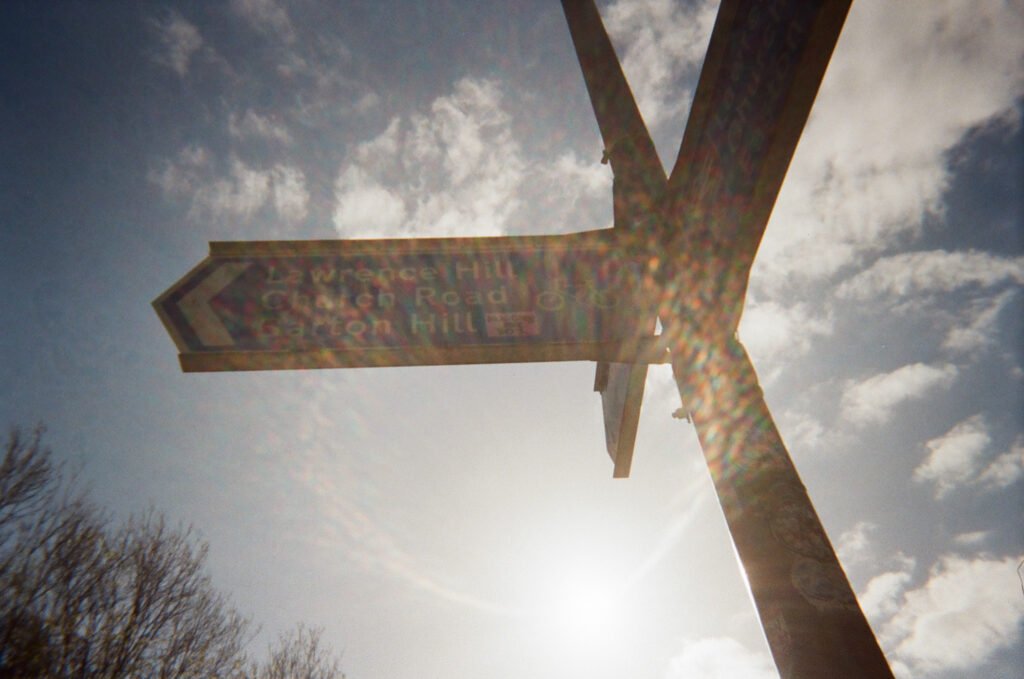
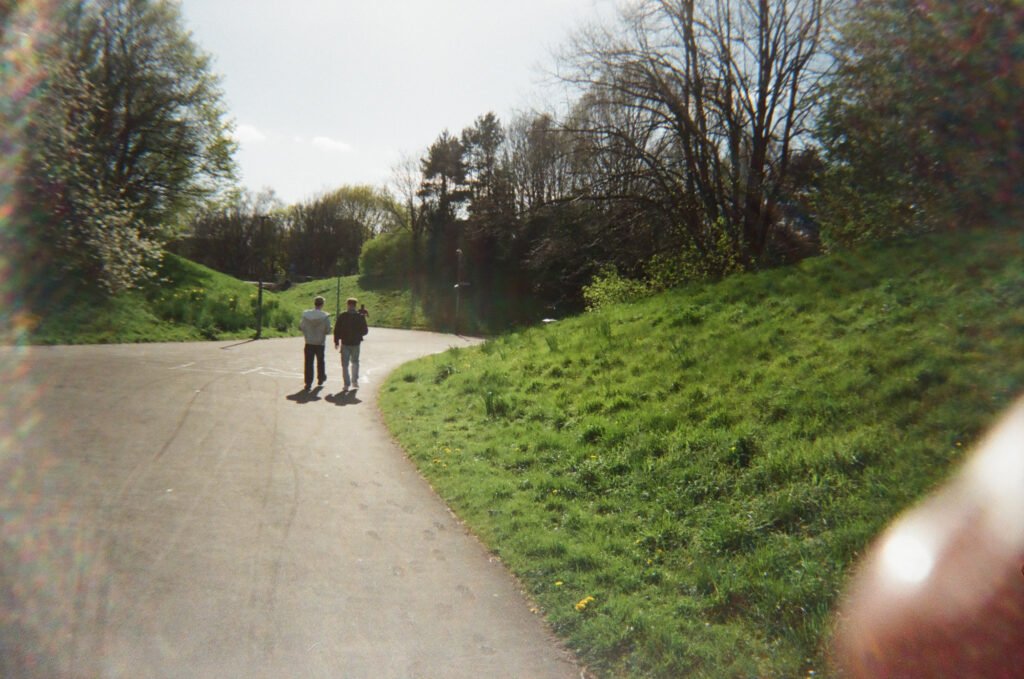
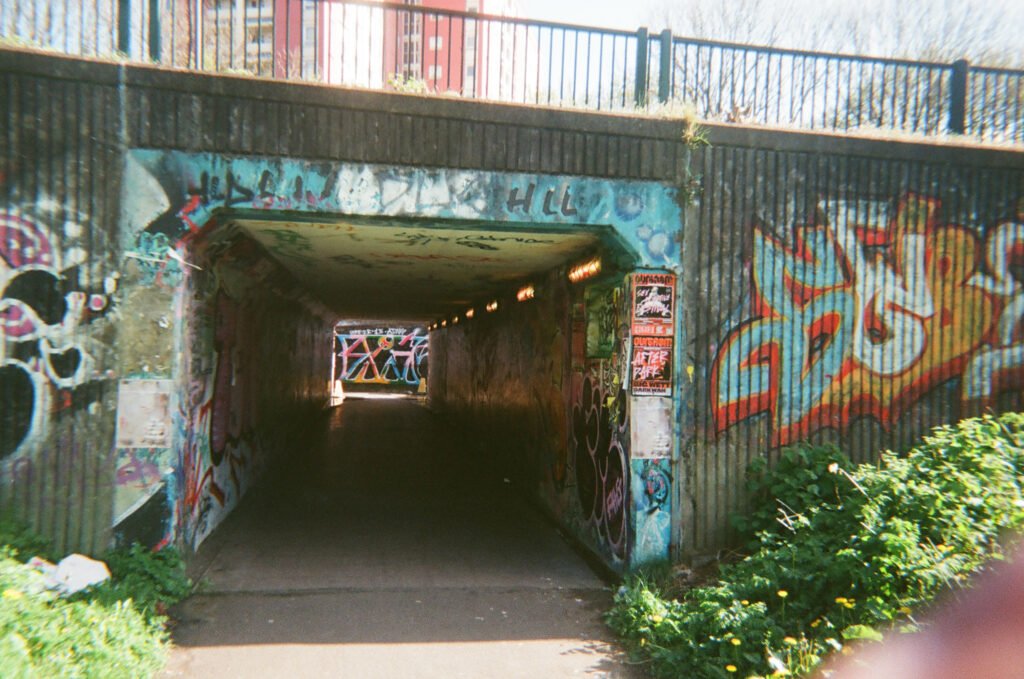
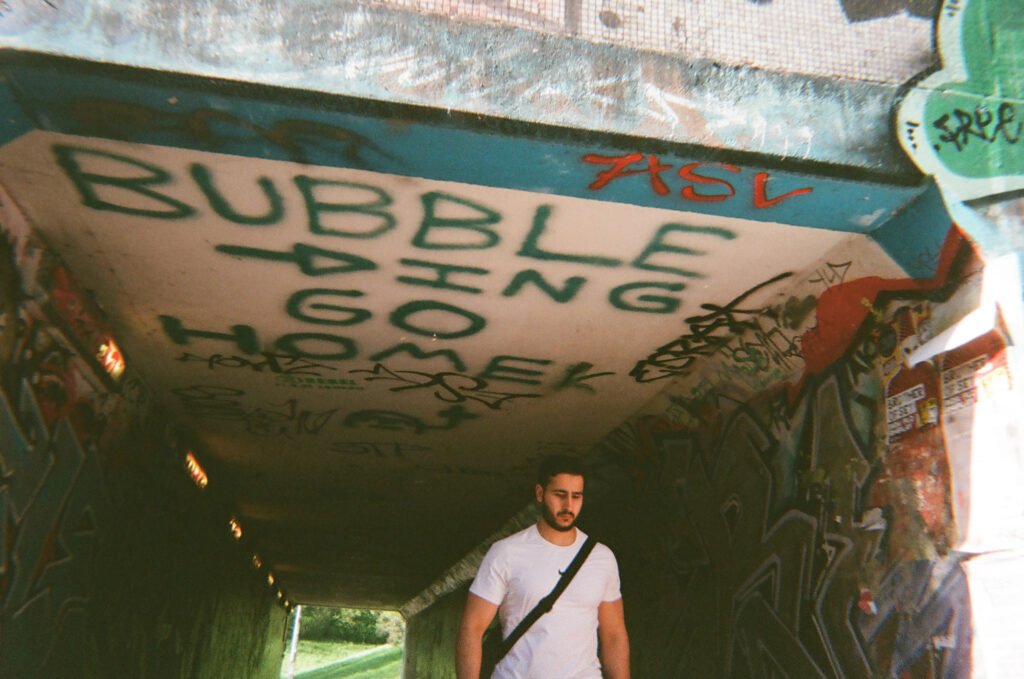
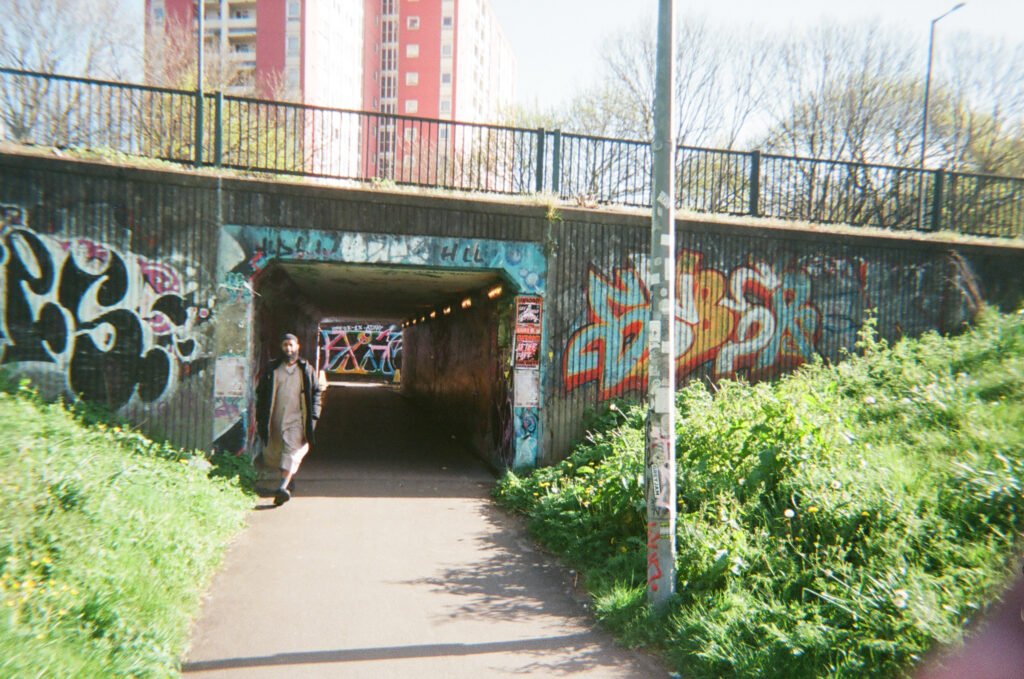
Camera 3
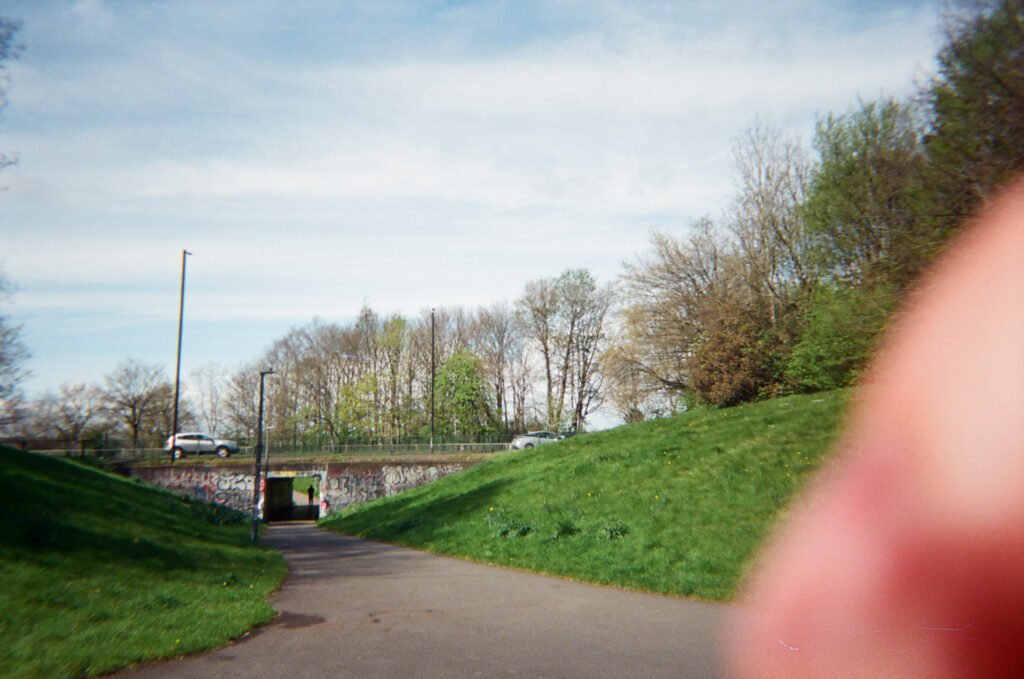
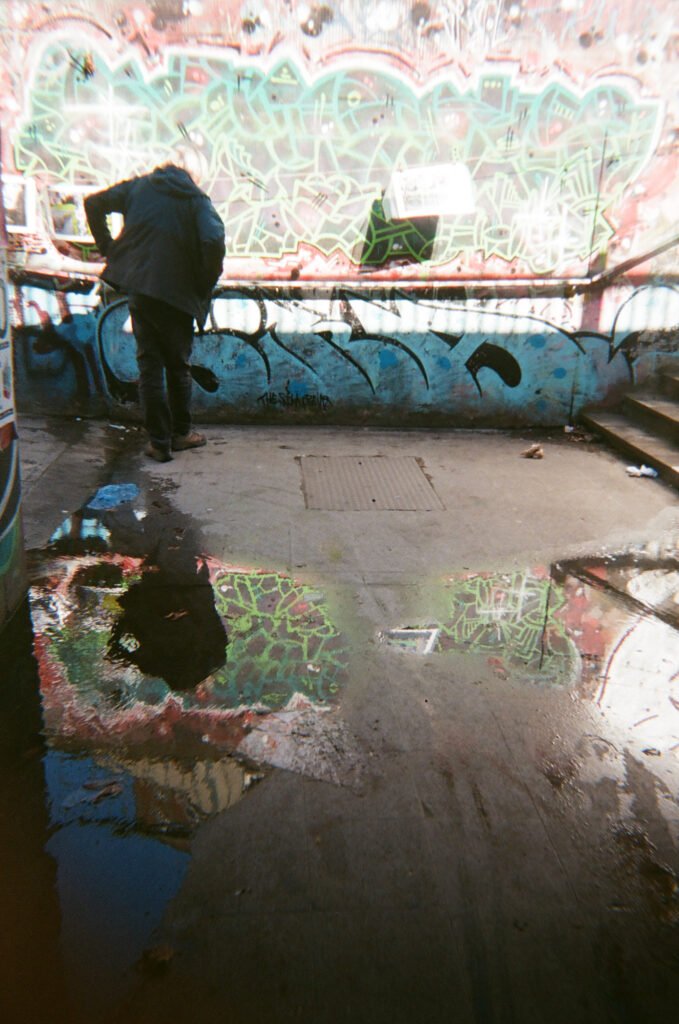
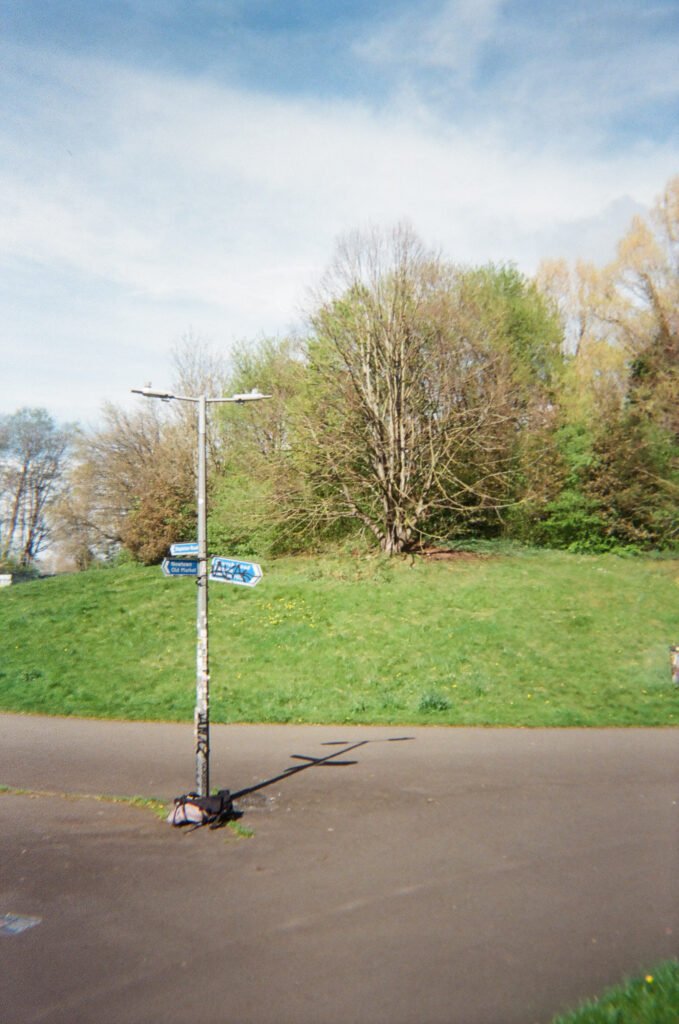
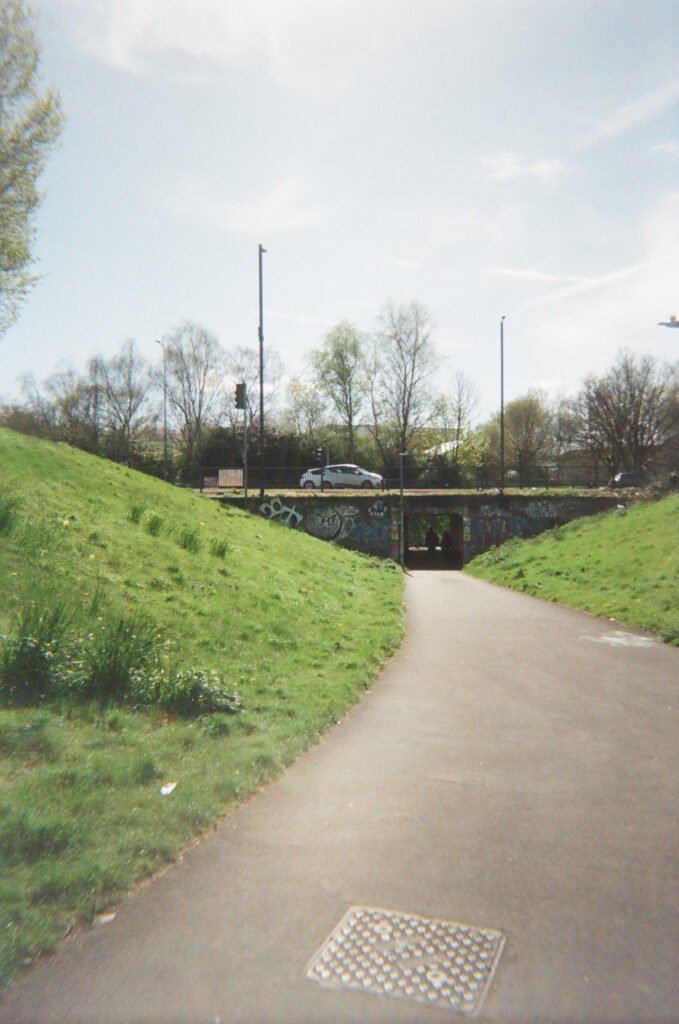
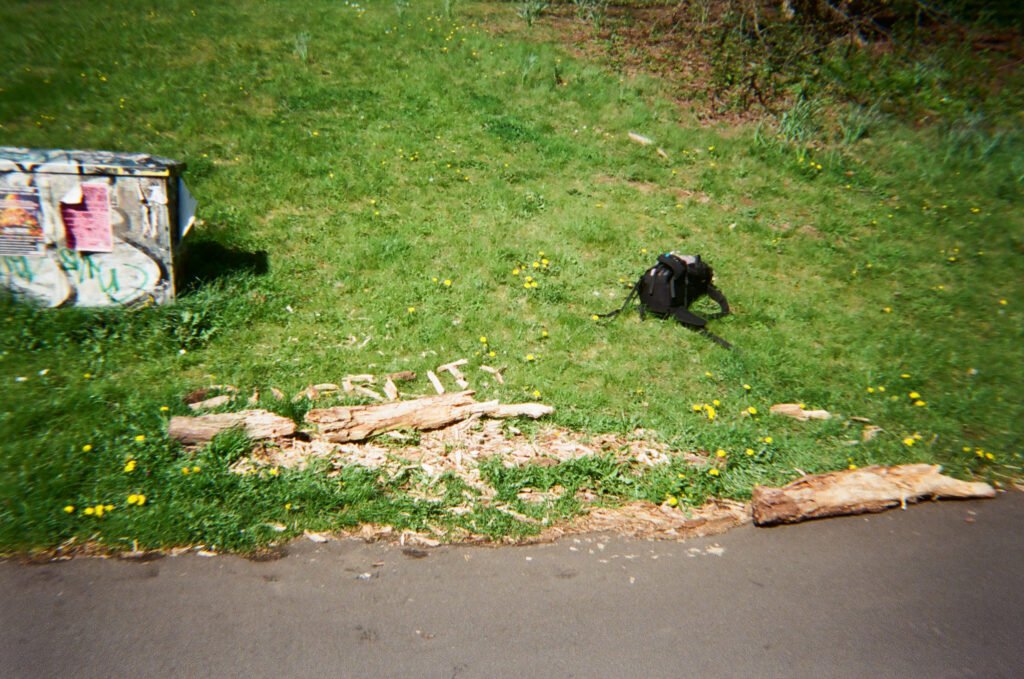
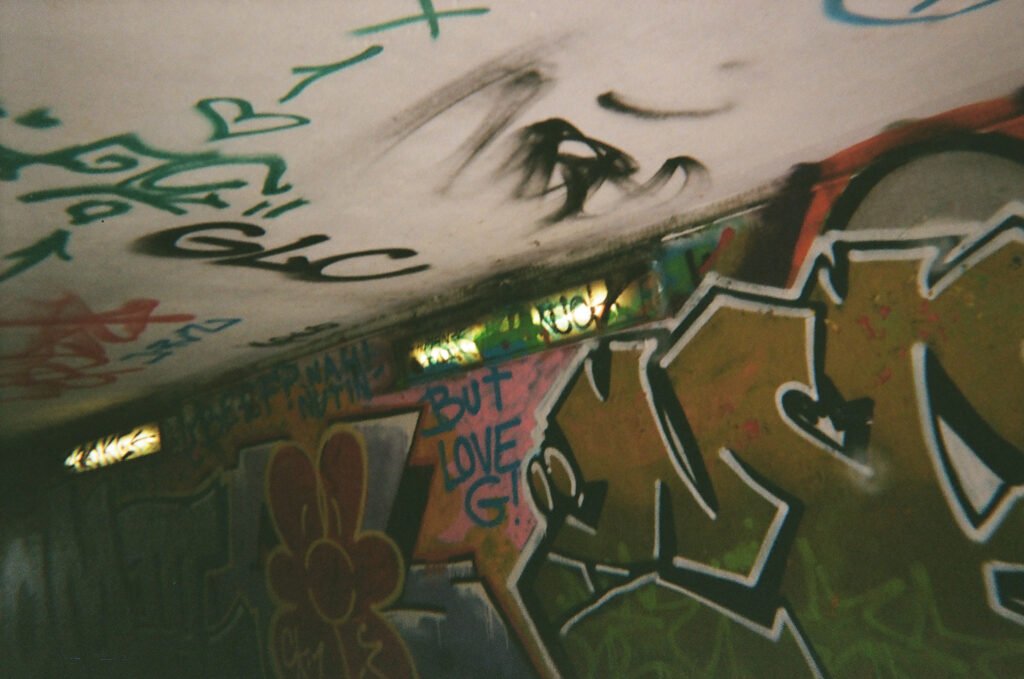
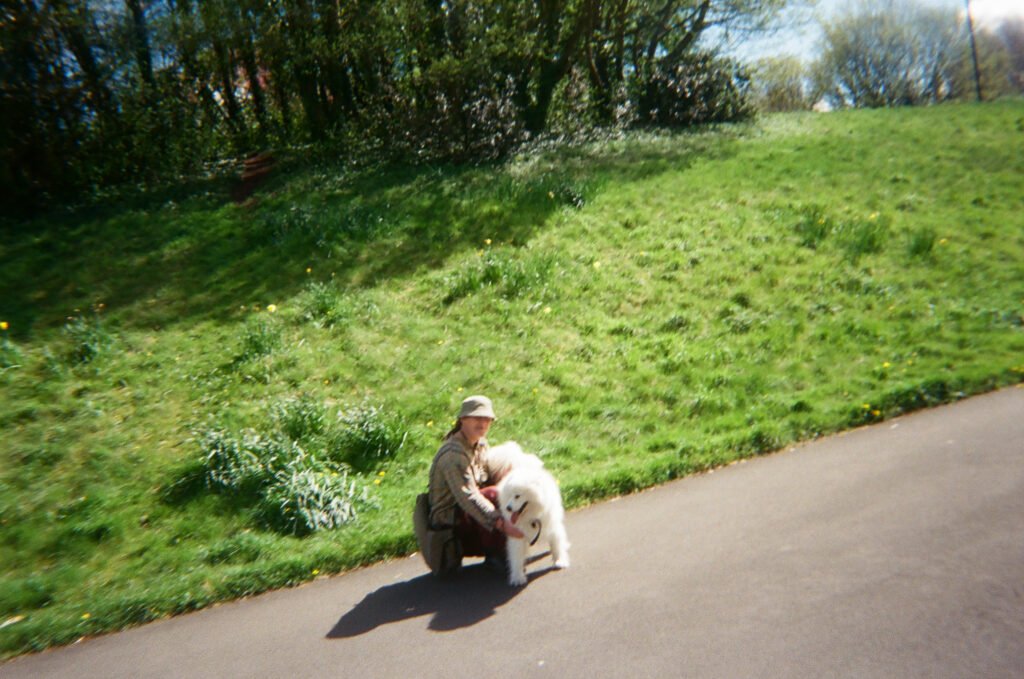
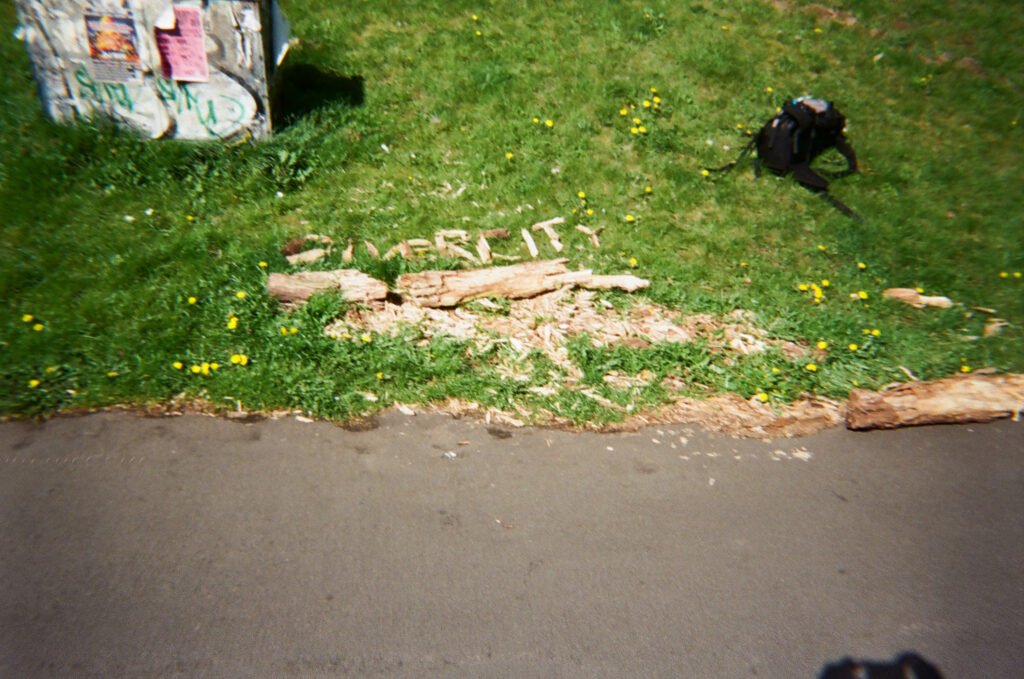
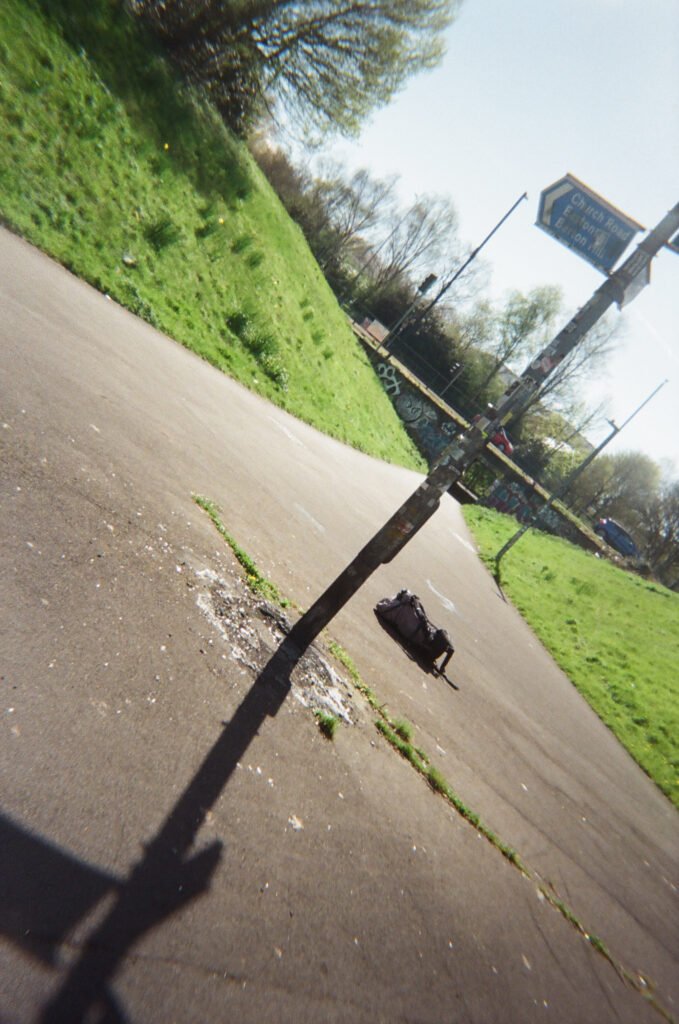
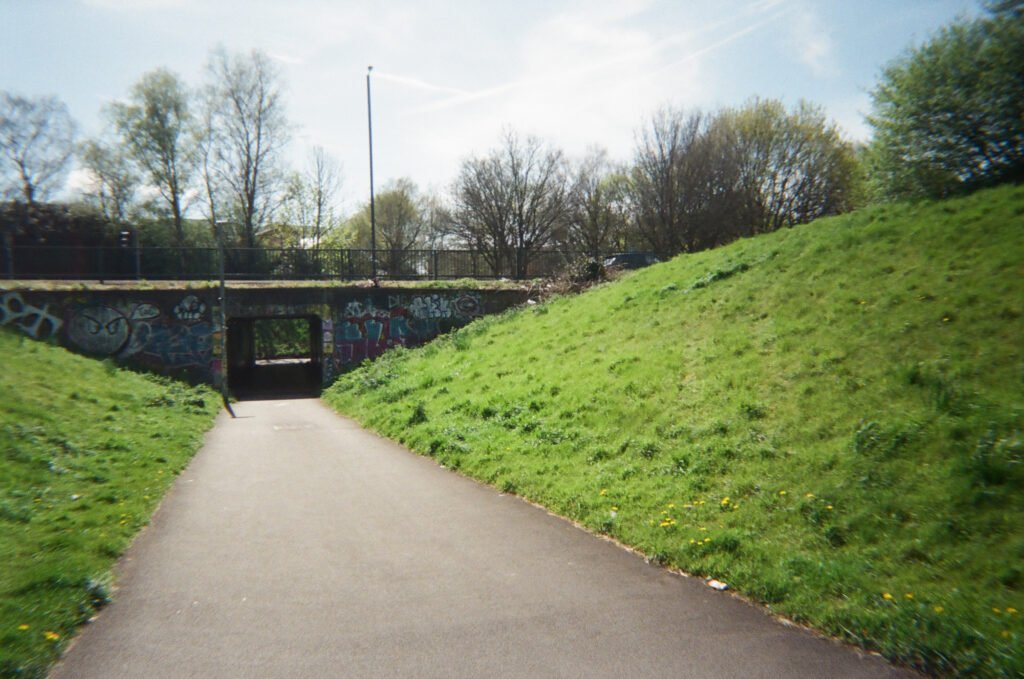
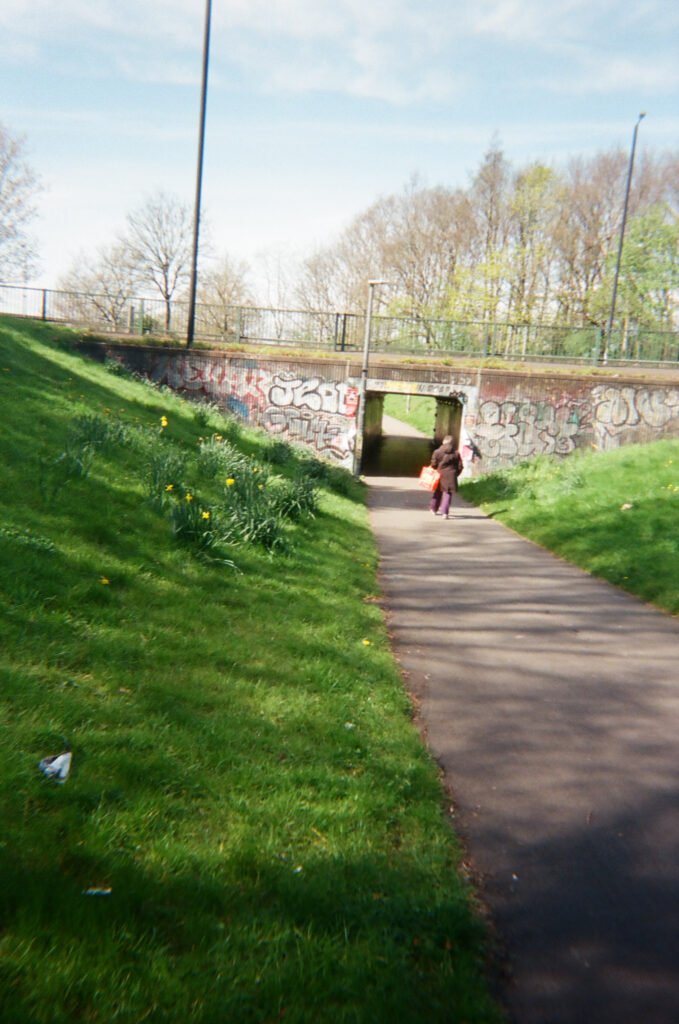
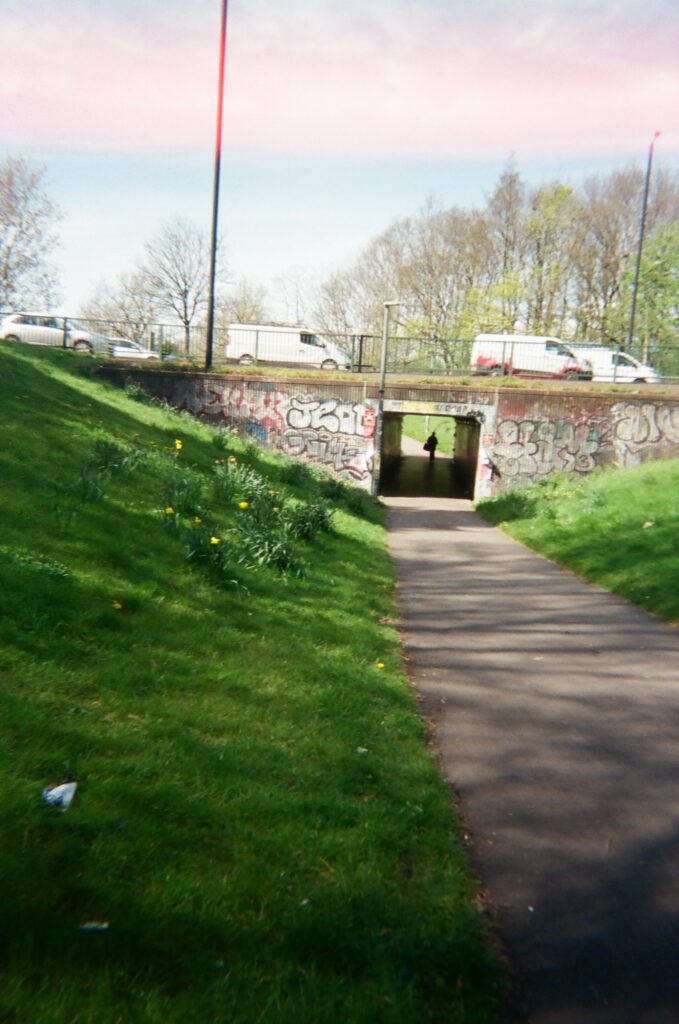
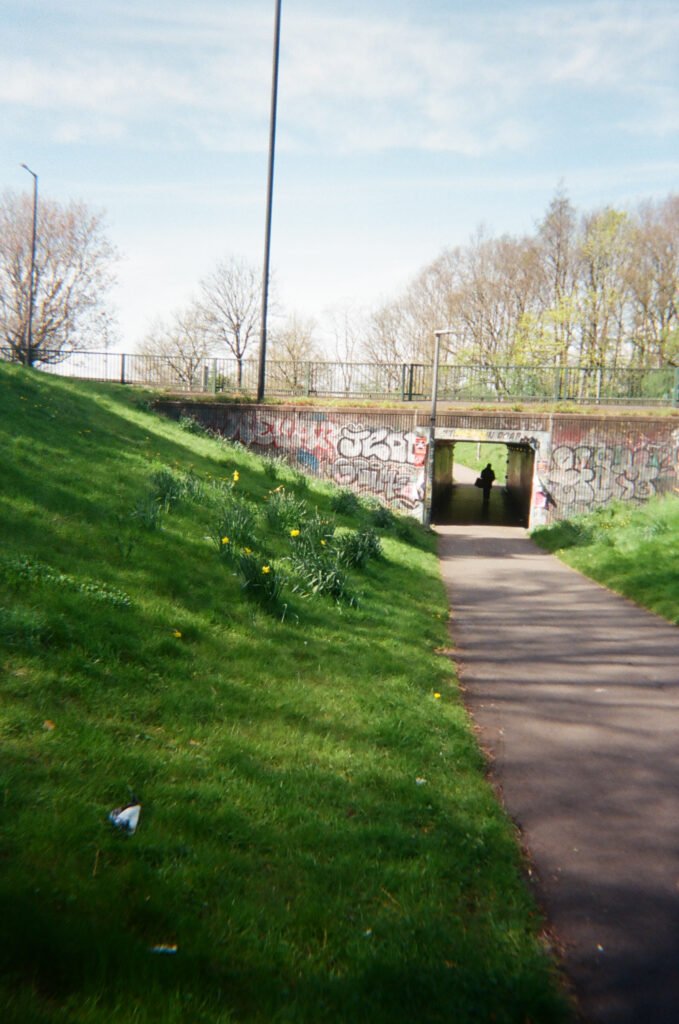
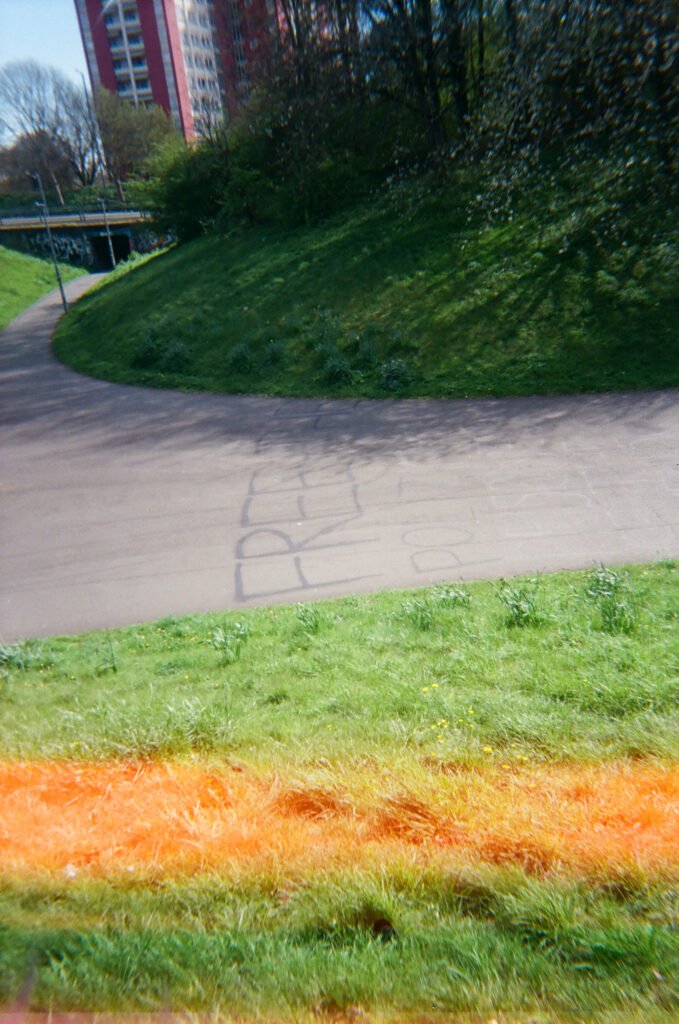
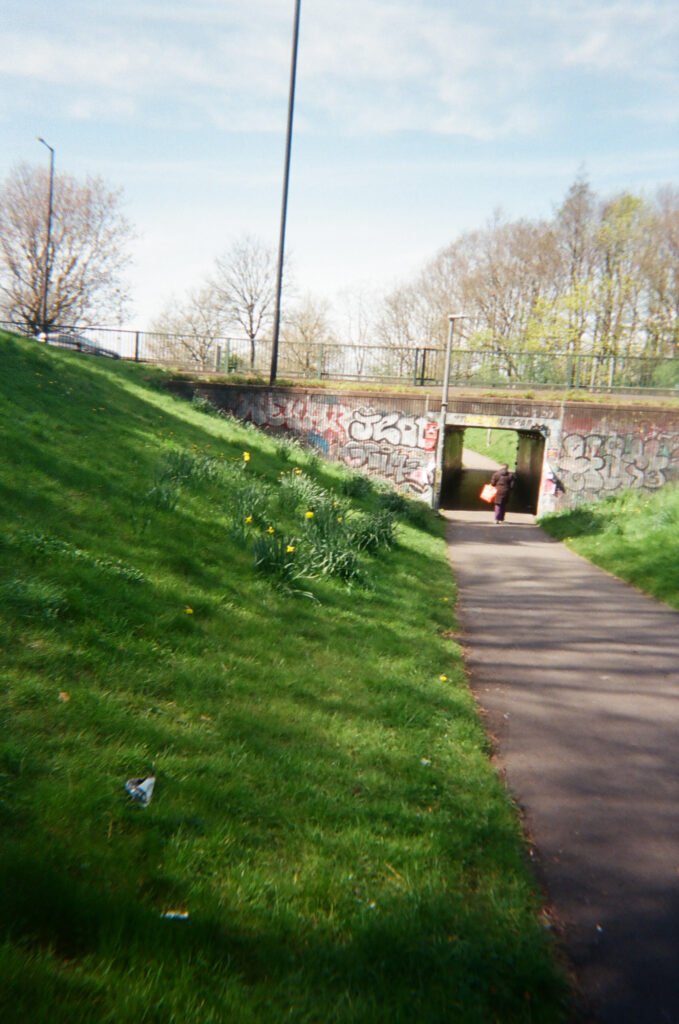
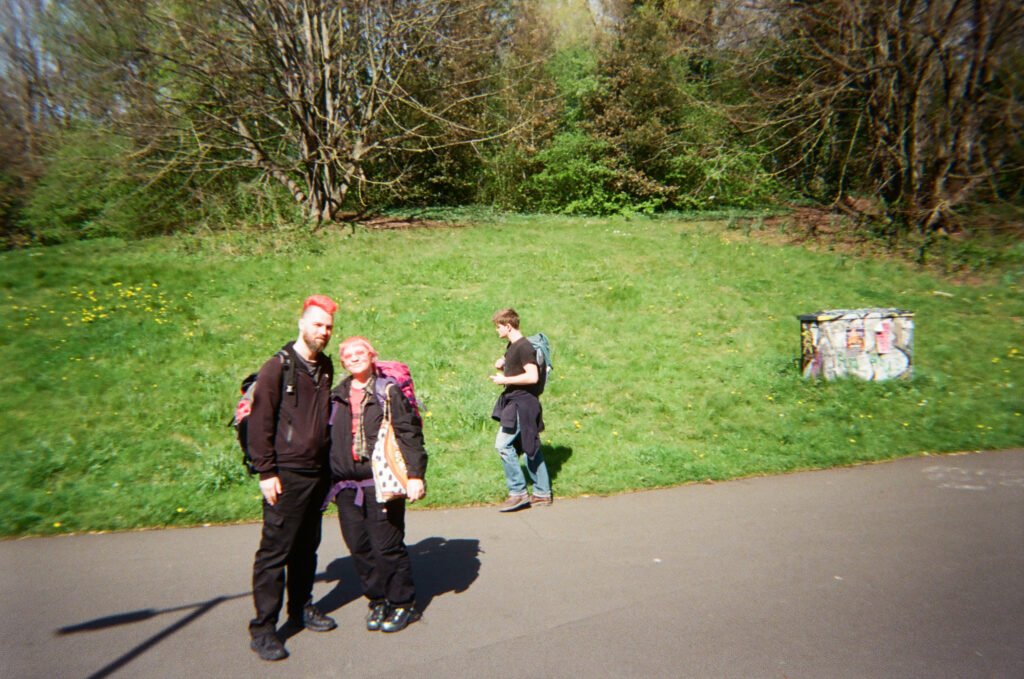
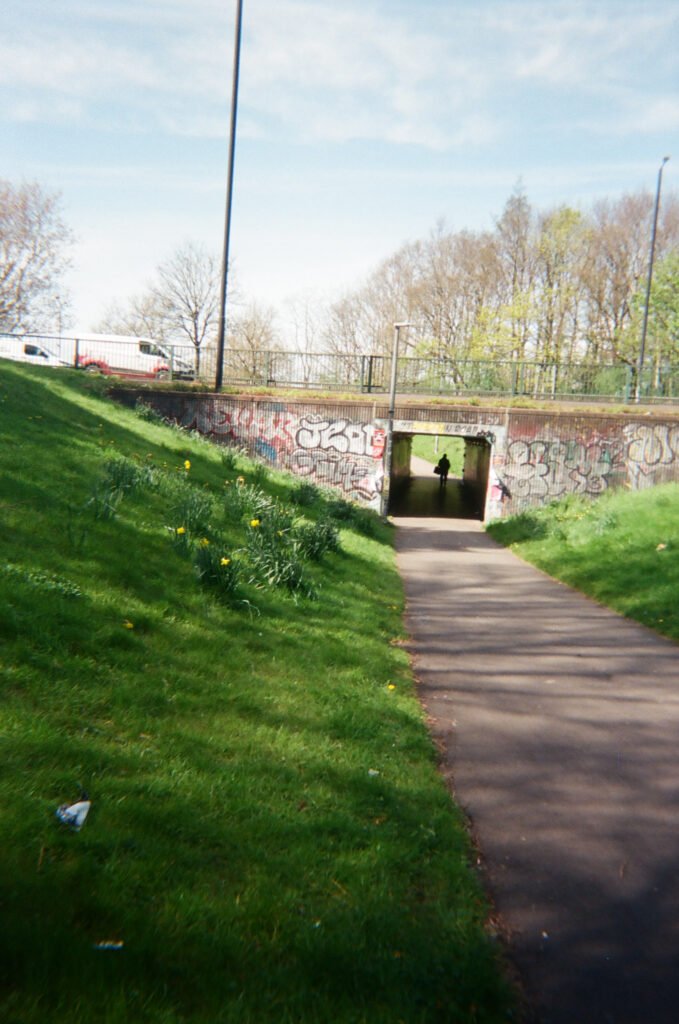
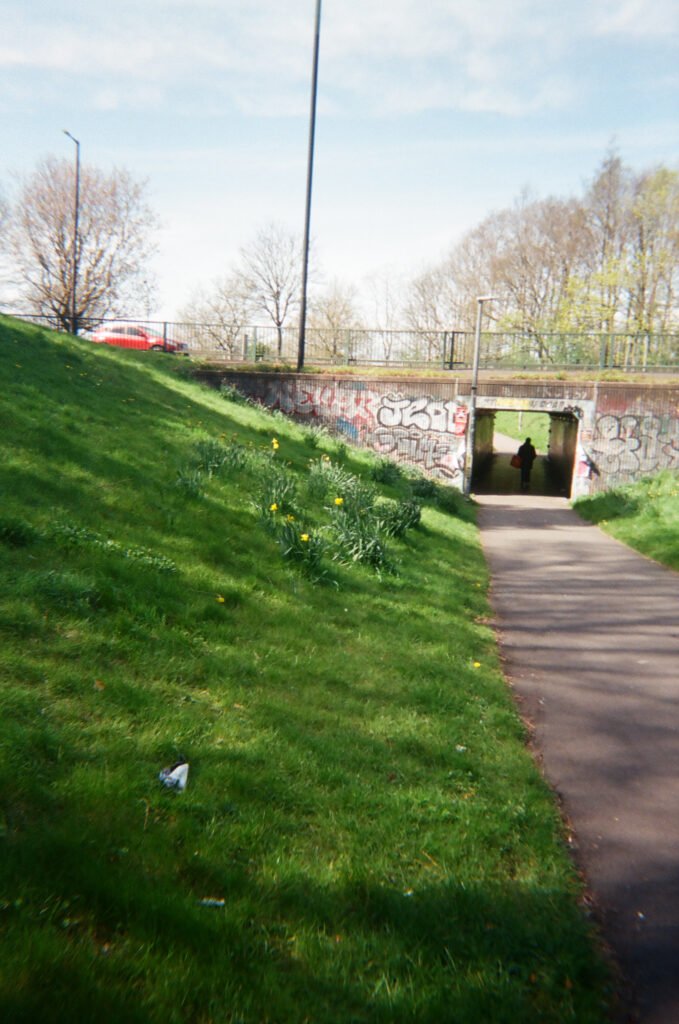
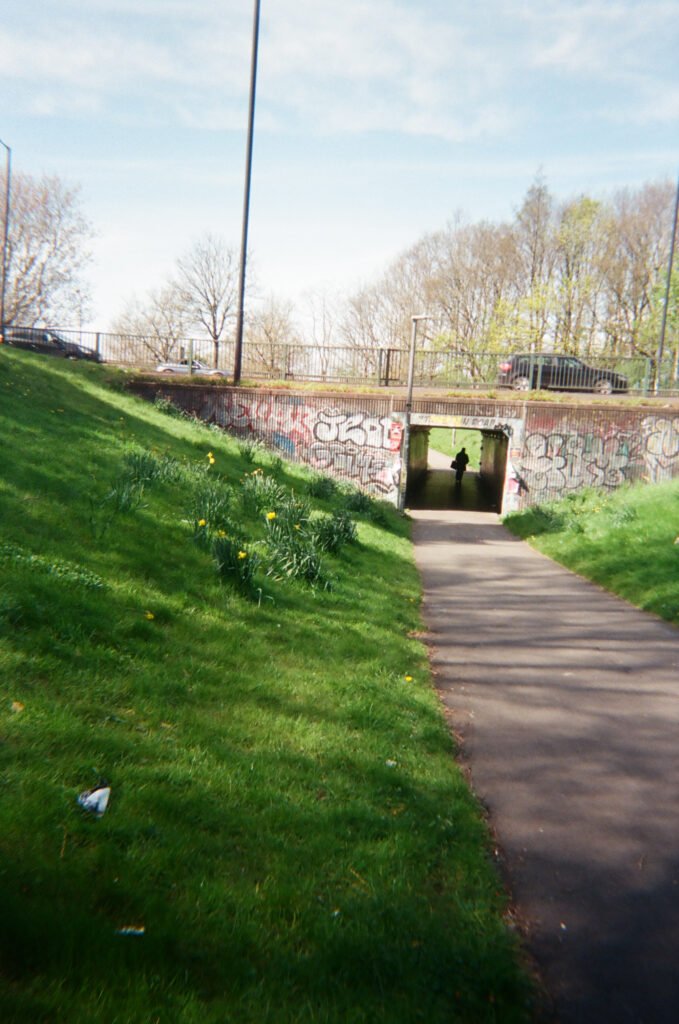
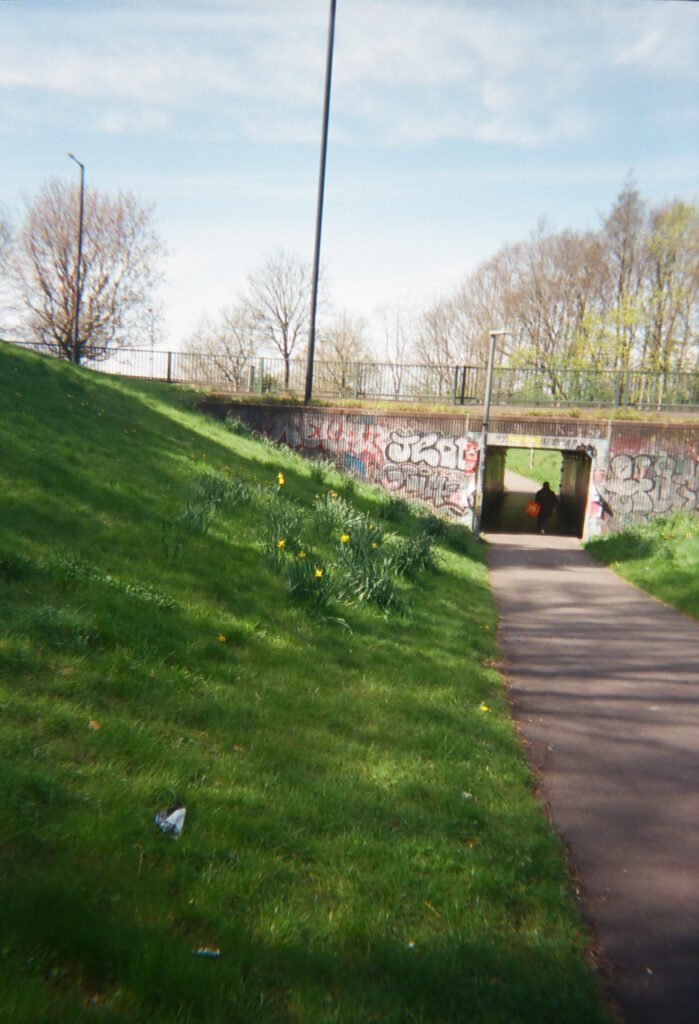
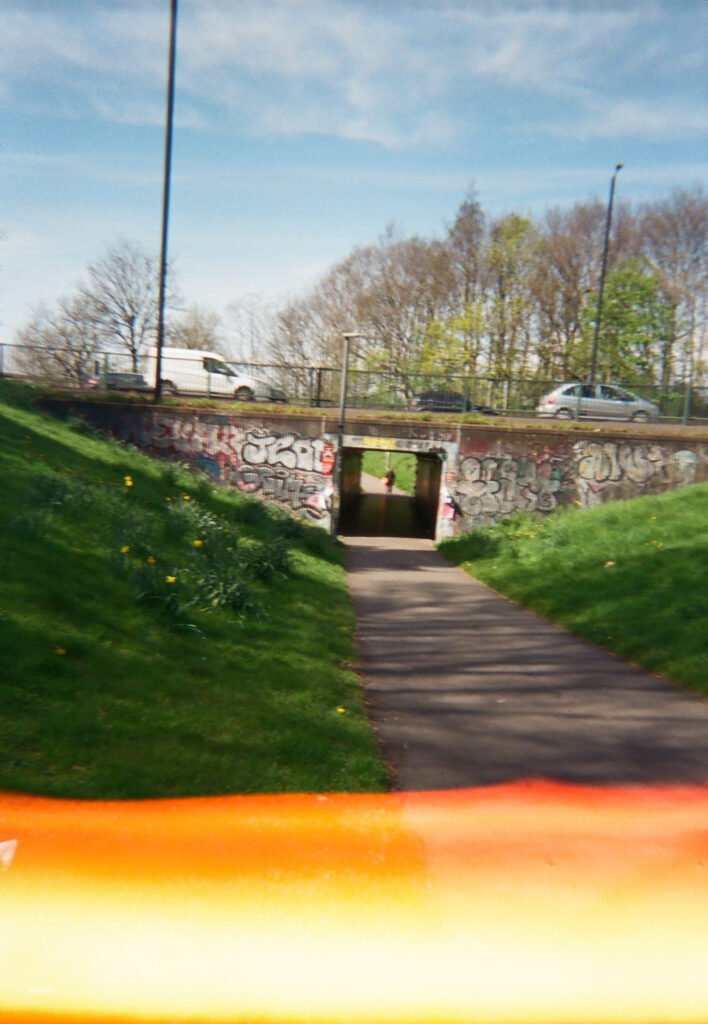
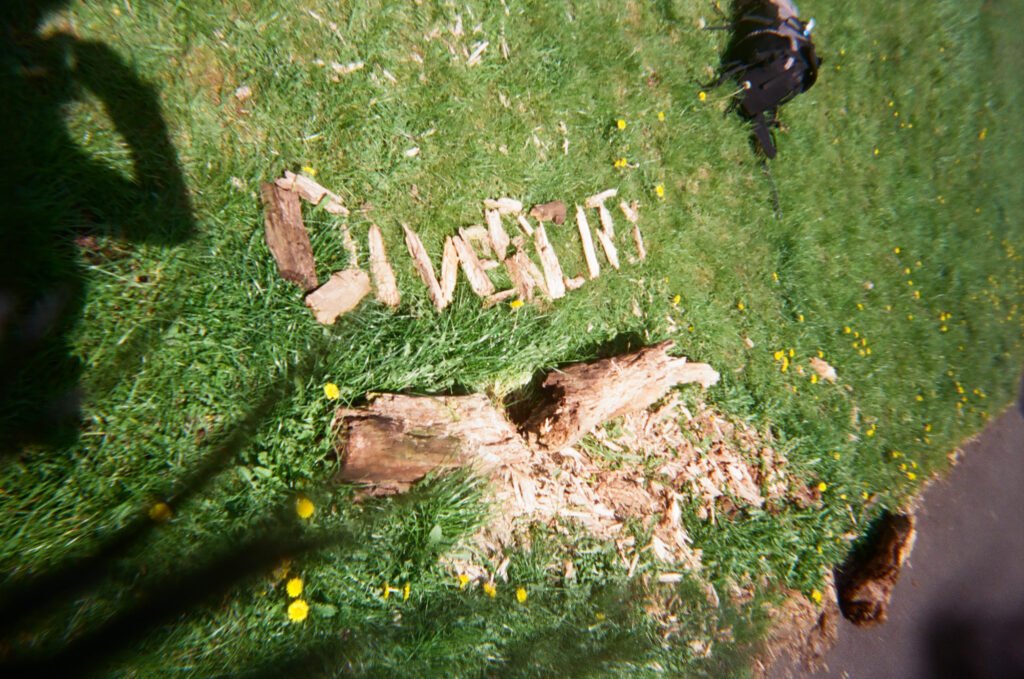
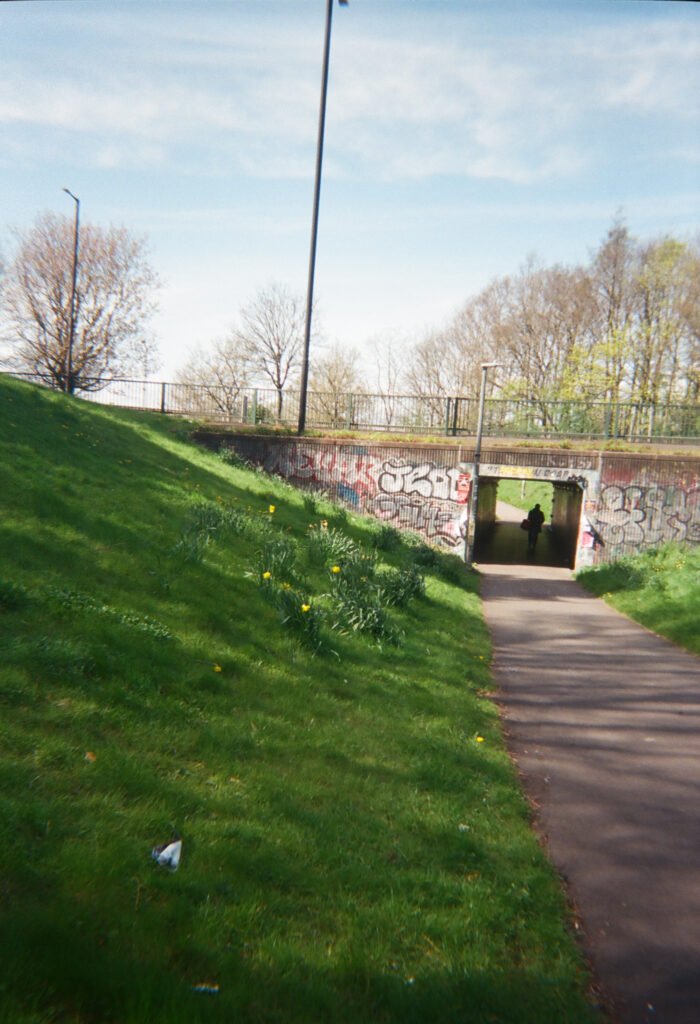
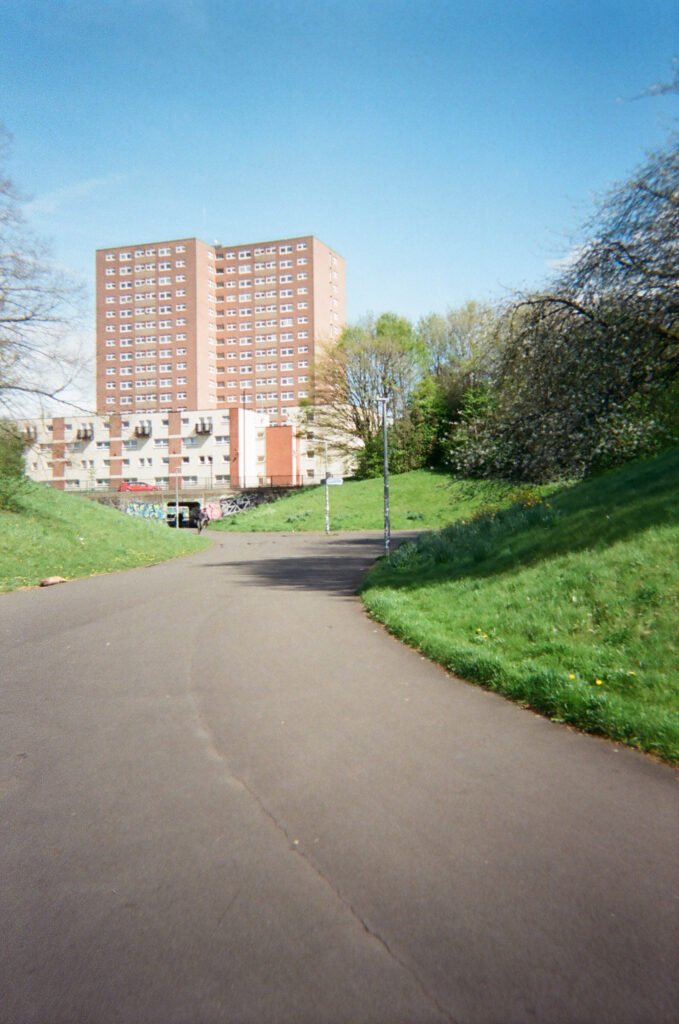
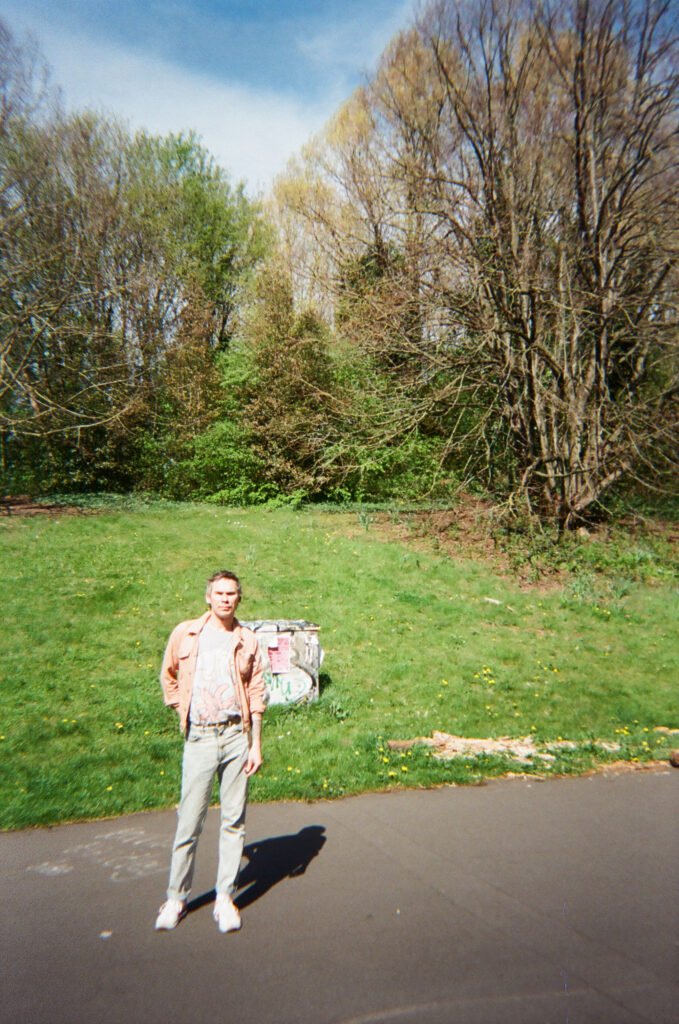
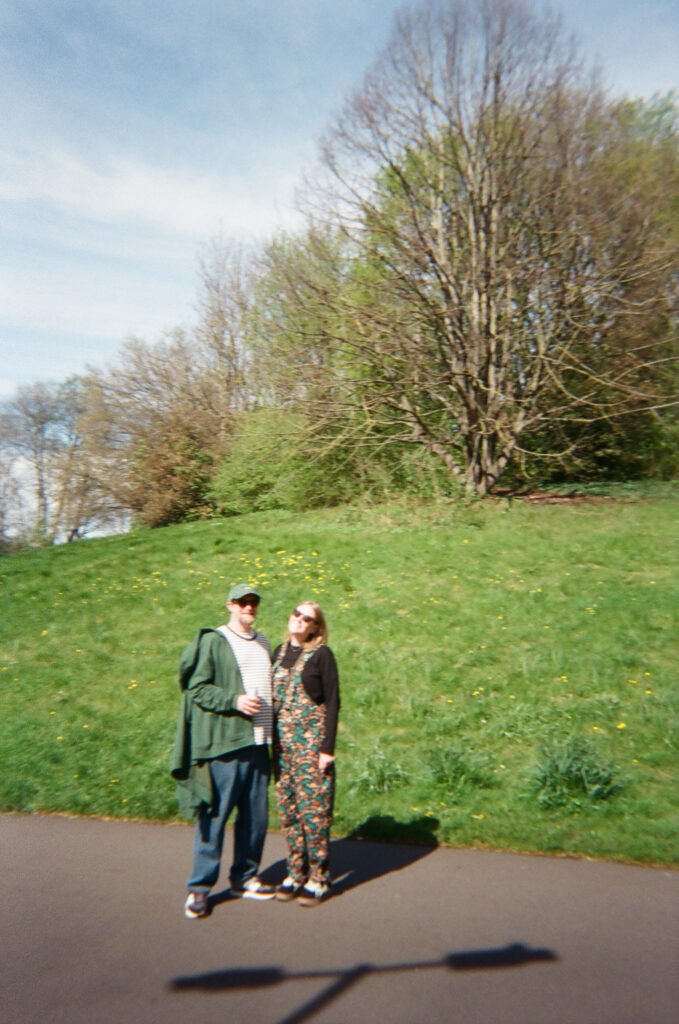
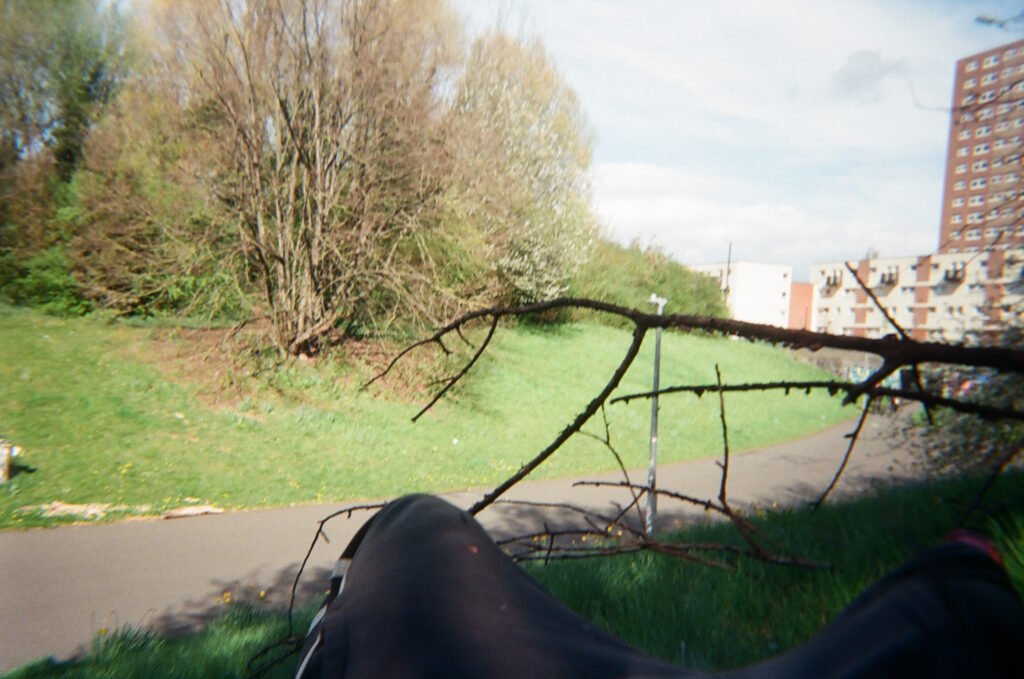
Can I thank the participants for making these images, its a fascinating insight into the landscape here by local people who use the Underpass system.
-
Linguistic Landscape : Bristol Templemeads to Lawrence Hill Full Images pdf
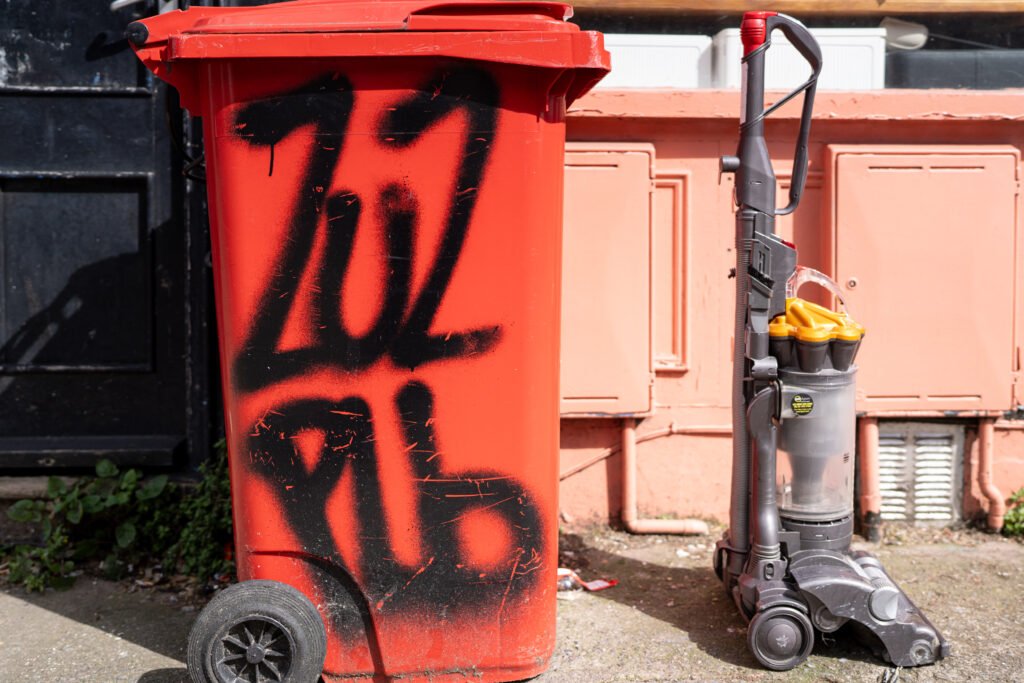
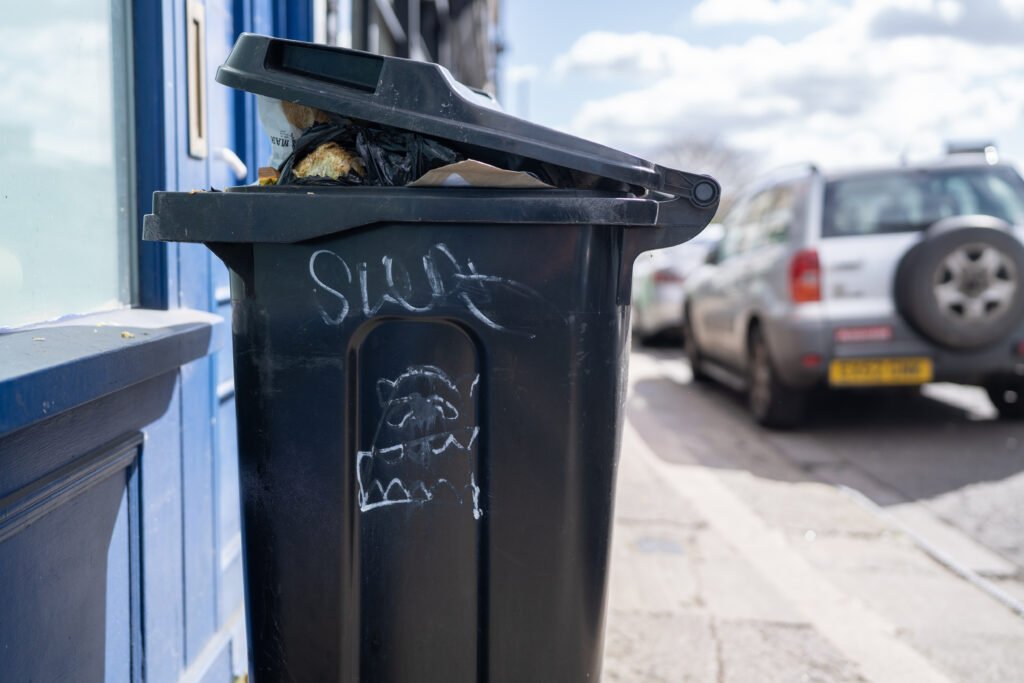
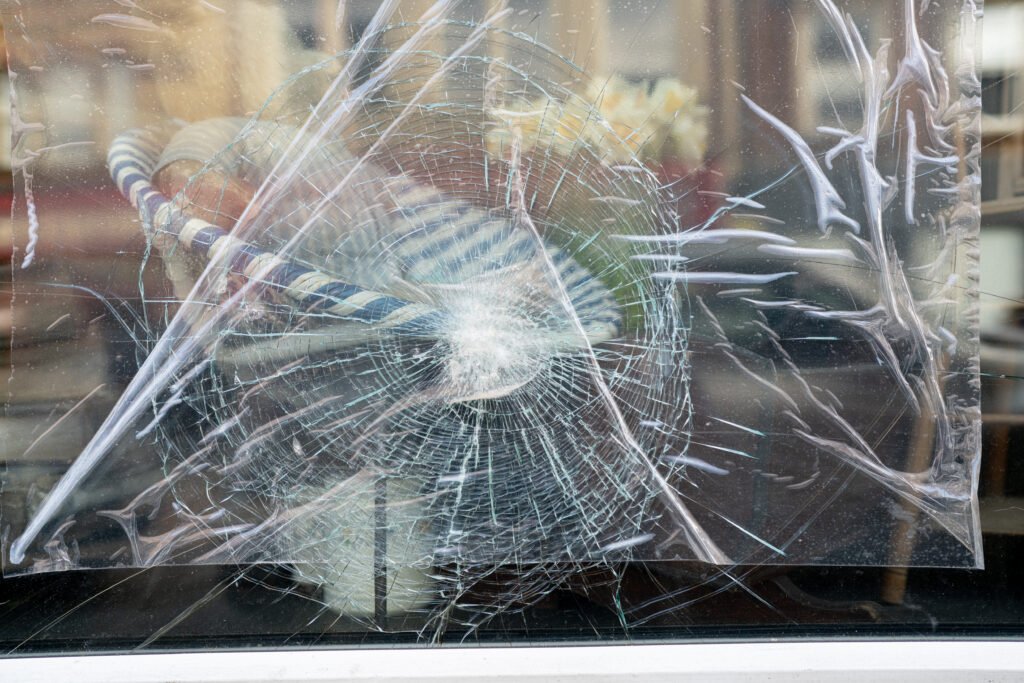
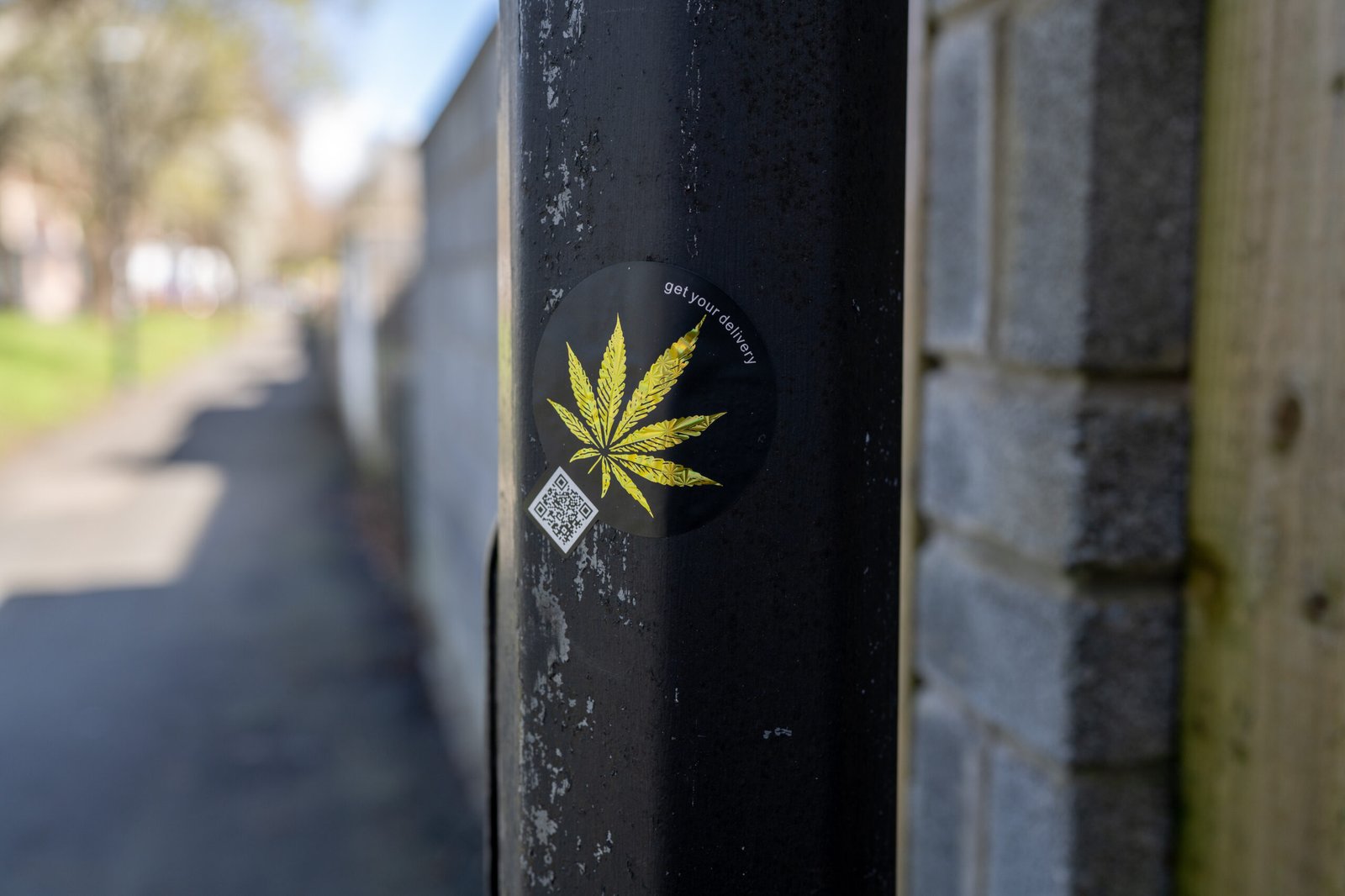
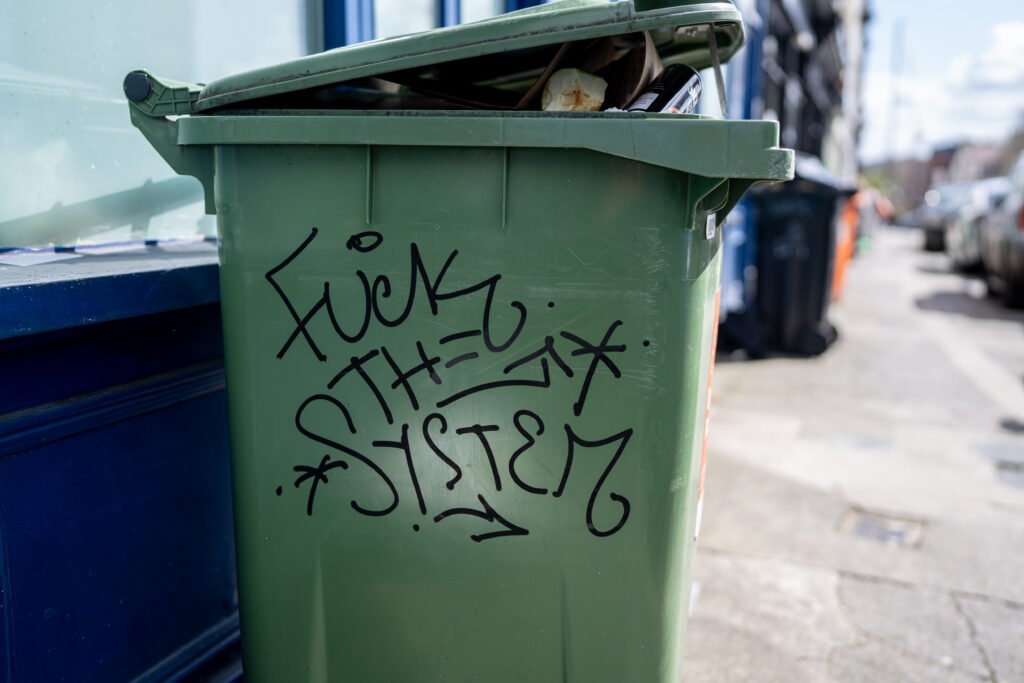
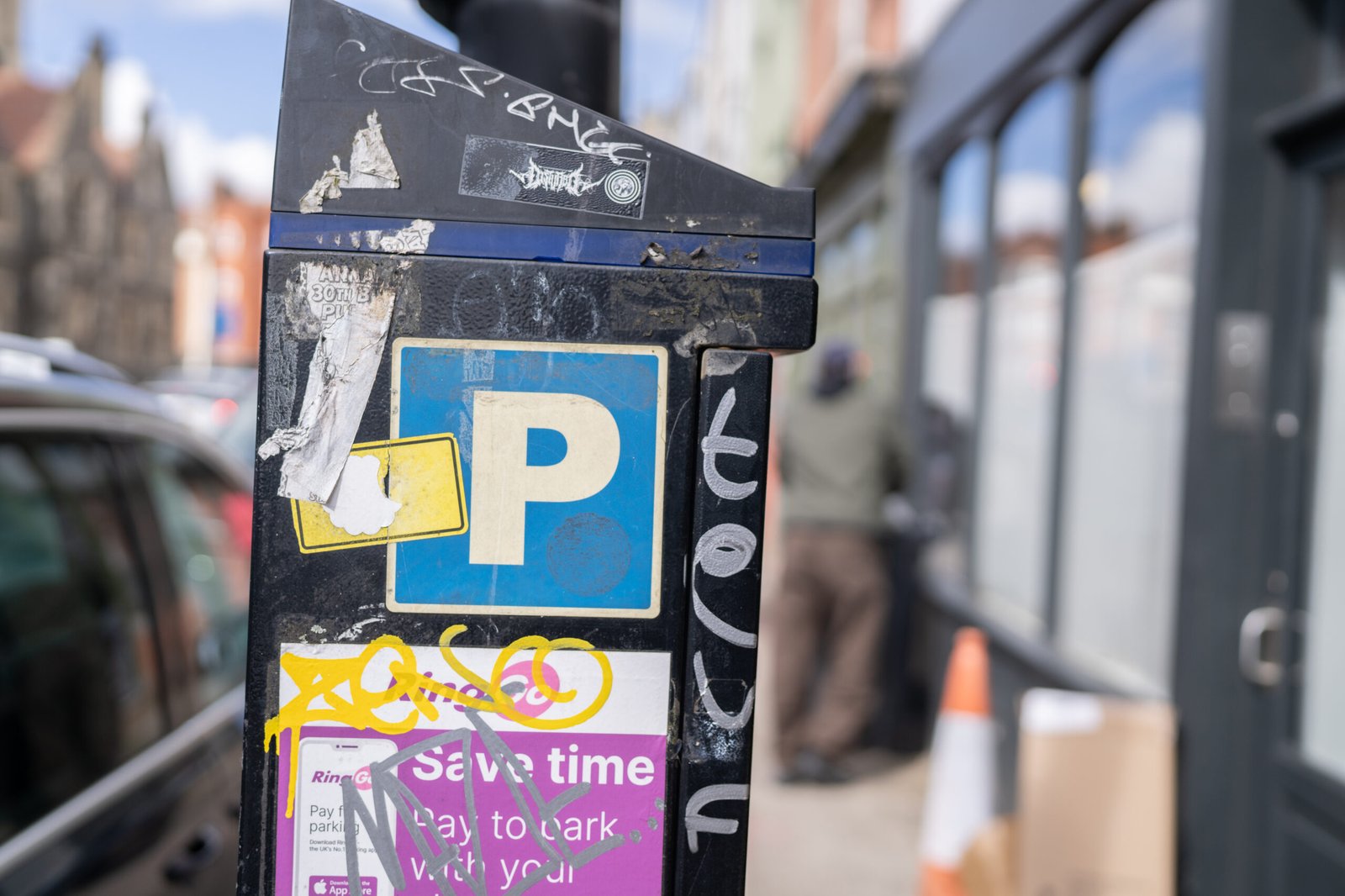
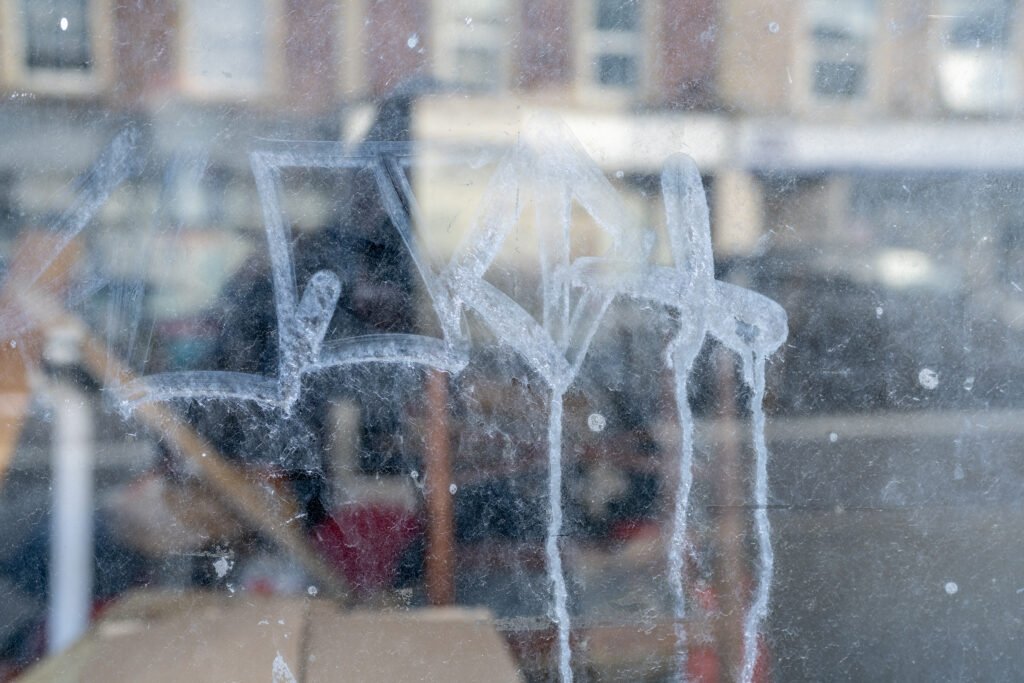
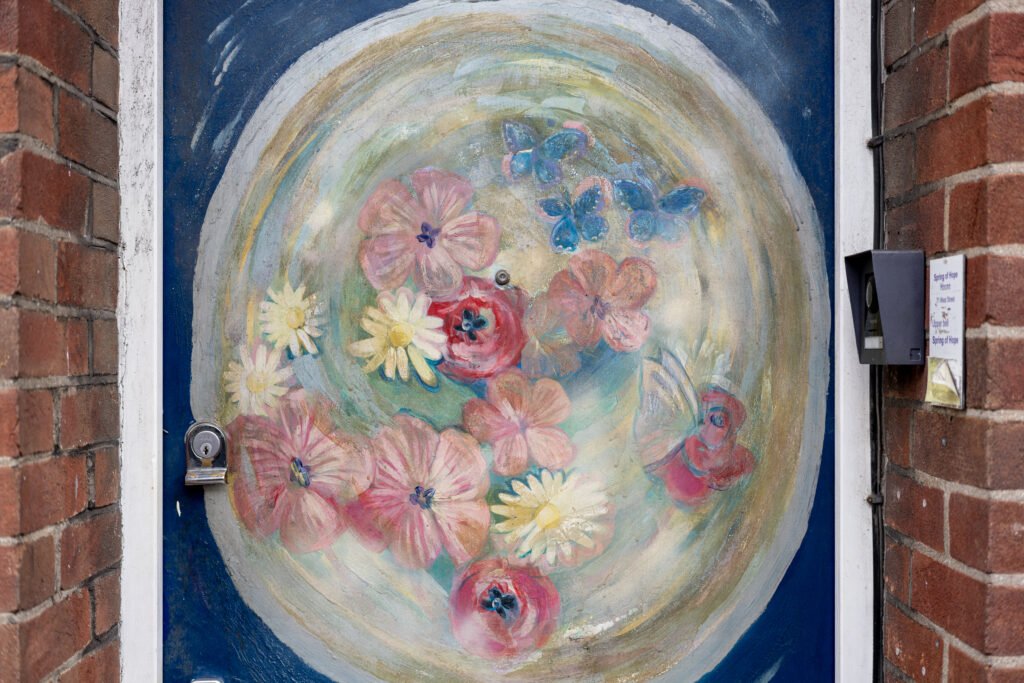
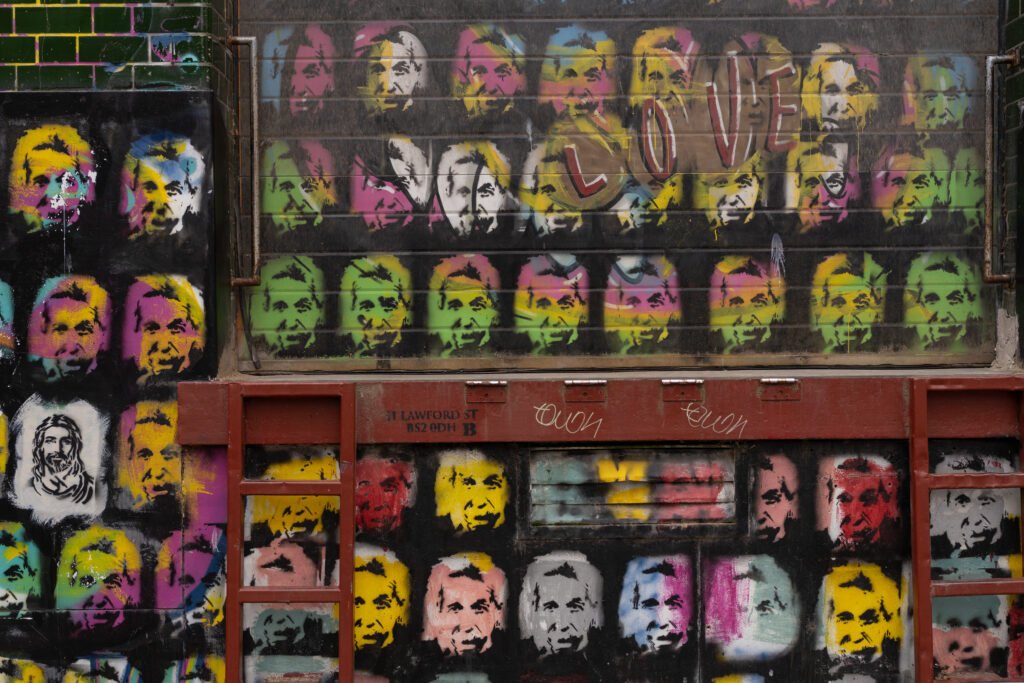
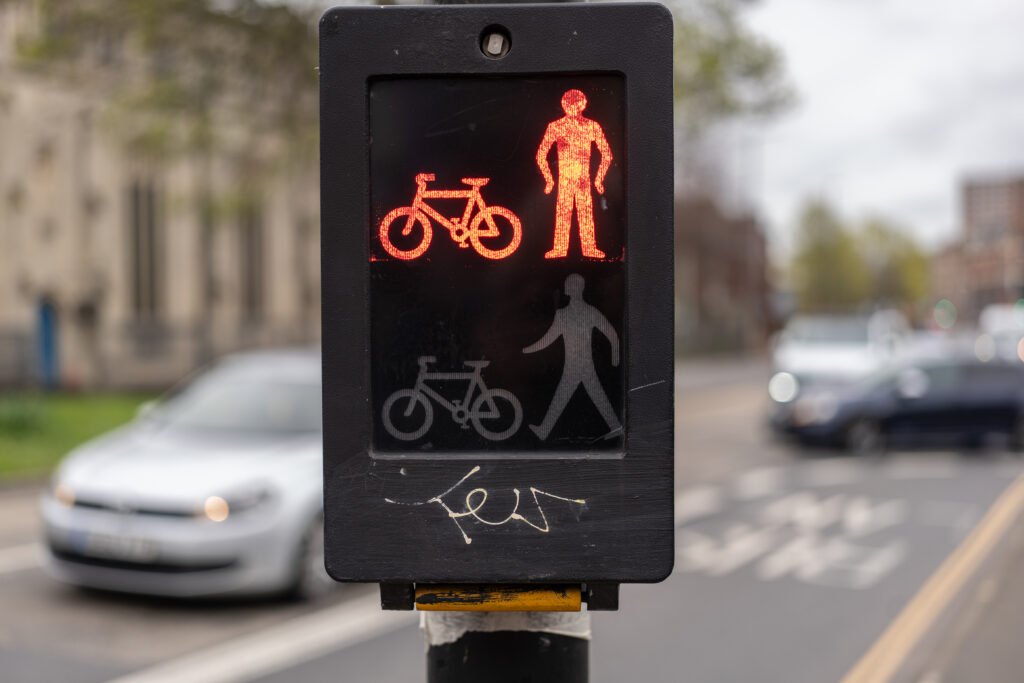
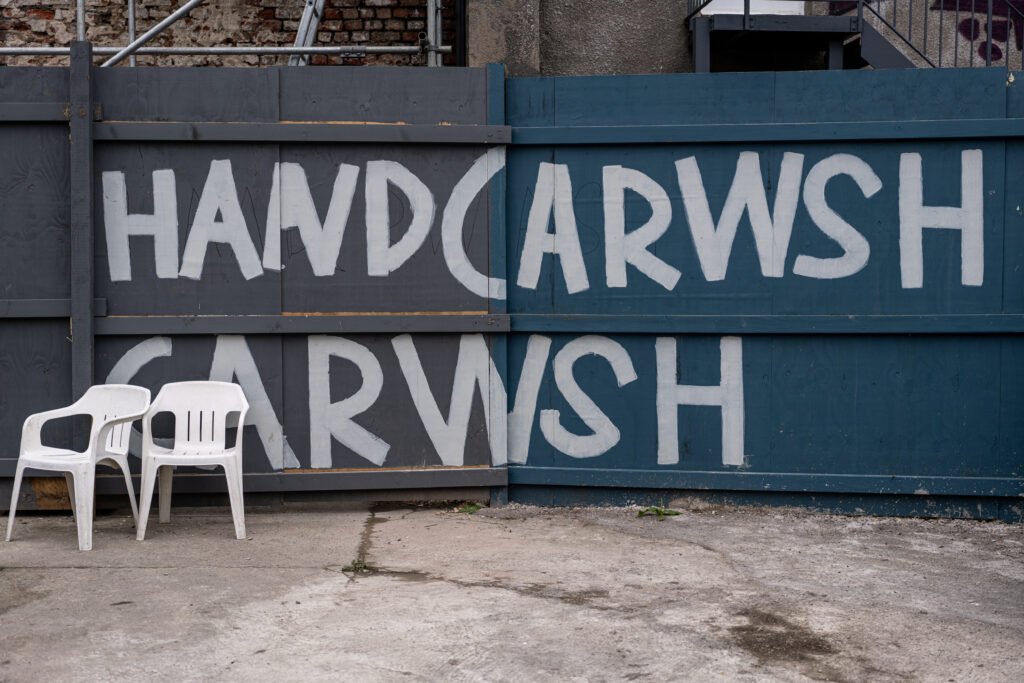
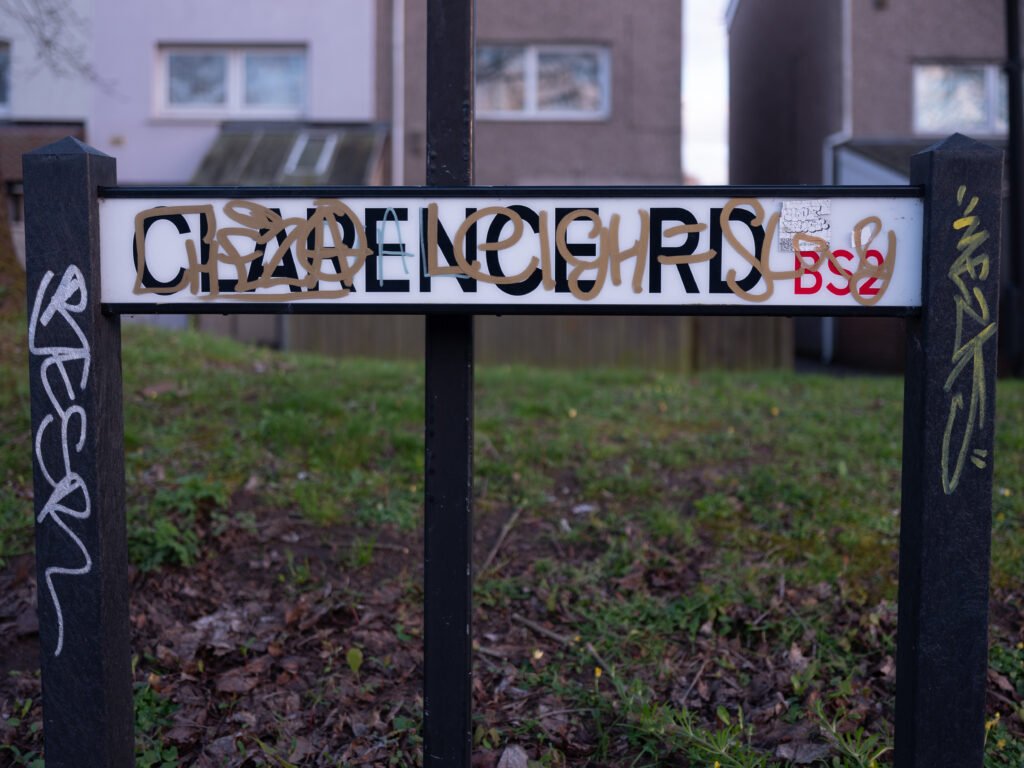
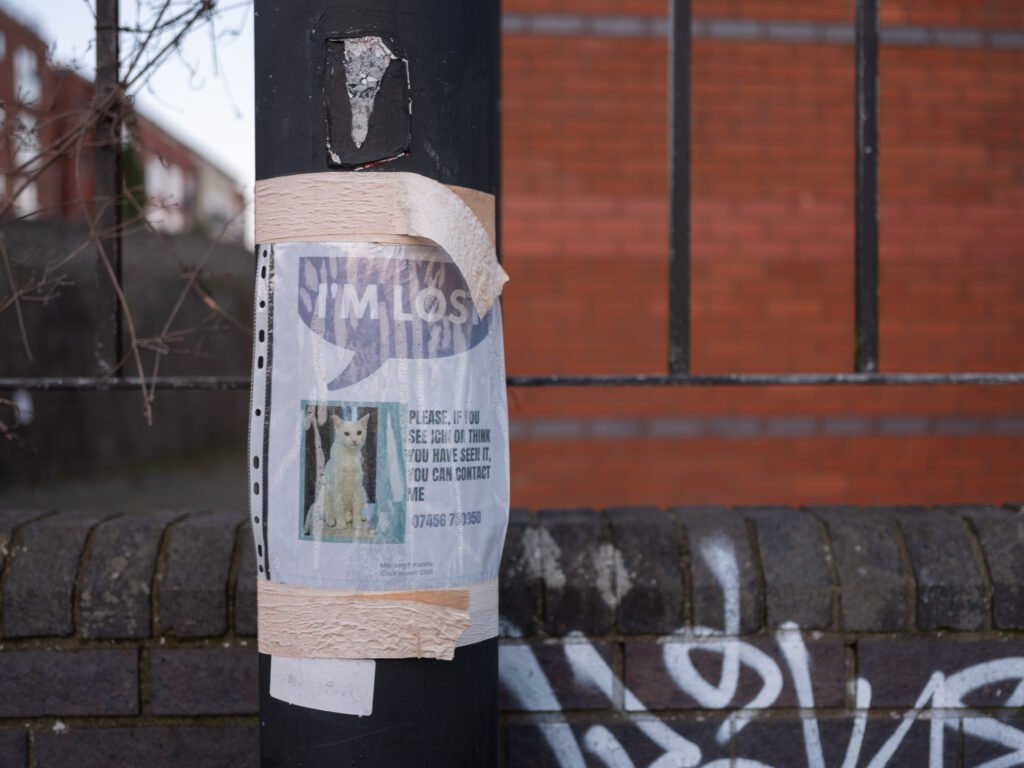
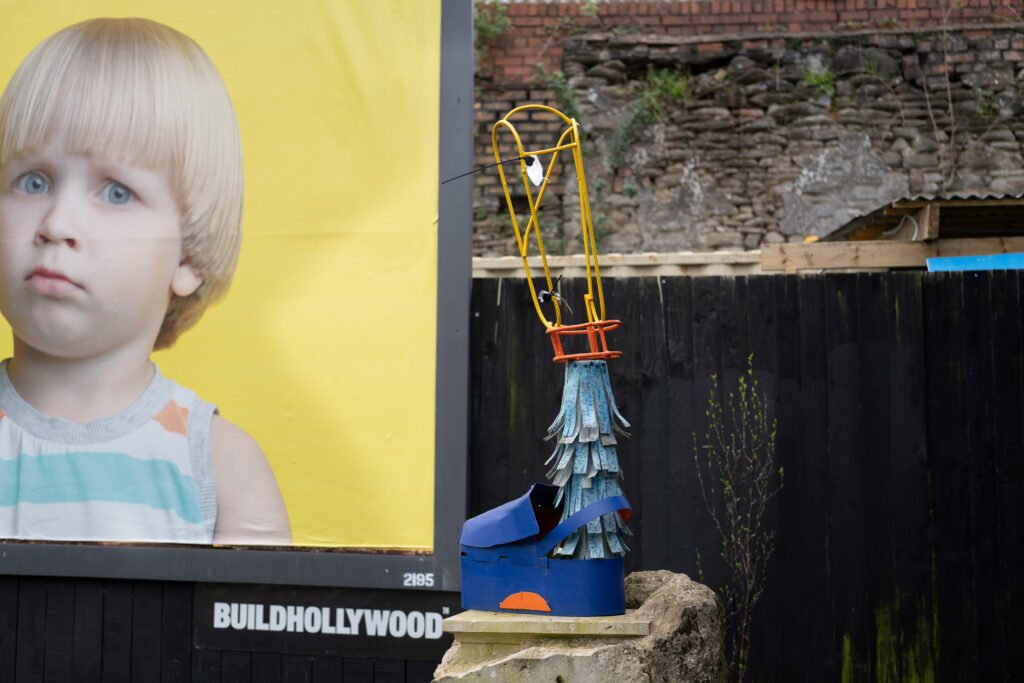
On most times i made the journey from Bristol Templemeads to Lawrence Hill Roundabout i photographed visually interesting ‘micro-landscapes’ which caught my eye.
Some have been posted here in Blog posts before. This is the collection of all of these images. They all contribute to the visual ‘noise’ of the landscape most of us can filter out. For others the level of visual and spatial intrusion is overwhelming.
These type of images also fit in with the relatively recent idea of ‘Conceptual Documentary Photography’. I have referenced this in earlier posts.
-
Critical Theory : Barthes et al
What differentiates an academic study of photography from purely photographic practice is its embrace of those who have considered the nature of photography, reality and visual culture in general. There are famous people such as Roland Barthes and Susan Sontag who are maybe the most well known, but there are many others.
In this University module we have considered critical theory more deeply. Roland Barthes (1915-1980) was a french Philospopher and writer who began writing his book Camera Lucida in 1977 after his mother’s death. The book was a reflection on his mother and his grieving for her, a process he allied with his experience of photography. His considerations focussed on one particular image of her taken years before. He explored why this image evoked such rich emotions and developed the words ‘studium’ and ‘punctum’ to explain why some photographs carry more emotional weight than others.
In earlier works ( notably Mythologies pub 1957 ) he explored ‘semiotics’, the study of cultural signs which resonate throughout visual culture. He considered that many objects exist in the real objective world but also carry significant cultural weight which photographers and artists in general use widely to convey more important truths, or meanings, often unconsciously or by metaphor.
I find his thinking interesting and I try to become aware of what i am truly ‘seeing’ and ‘feeling’, as opposed to just ‘looking’ when I undertake my photography.
This module also explores our notions of what is ‘true’ and ‘real’ and how photography ( and art in general ) can distort and expand, or minimise by providing misinformation, these absolutes.
Susan Sontag, in her book On Photography (pub 1973) reflects on whether we see reality by referencing Plato’s Cave, suggesting that maybe all we see is representations of reality as shadows cast upon the wall of a cave by fires that burn outside. The french philosopher Baudrillard developed the notion of ‘Simulacra’ in his 1981 essay ‘Simulacra and Simulation’, suggesting that ‘reality’ is ever diminishing into copies of things which may exist or in fact may no longer exist at all. This incorporates thinking about the profusion of digital imaging in the world which can be changed, replicated and substituted readily.
Another philosopher i feel sympathy with is Immanuel Kant (1724-1804) who developed ideas about Phenomenology. Edmund Husserl developed these ideas, introducing an explanation for the creative process called Epoche. This is a process where the sensation experienced when artistically considering an object is maximised without personal prejudice interfering and leads to an uncontaminated experience from which art can be made.
Whilst in Cornwall I visually explored Barthe’s ideas about objects in the world conveying metaphor and alternative meanings for us. These interpretations below are personal to me; everyone will have their own internal resonance with objects they encounter.
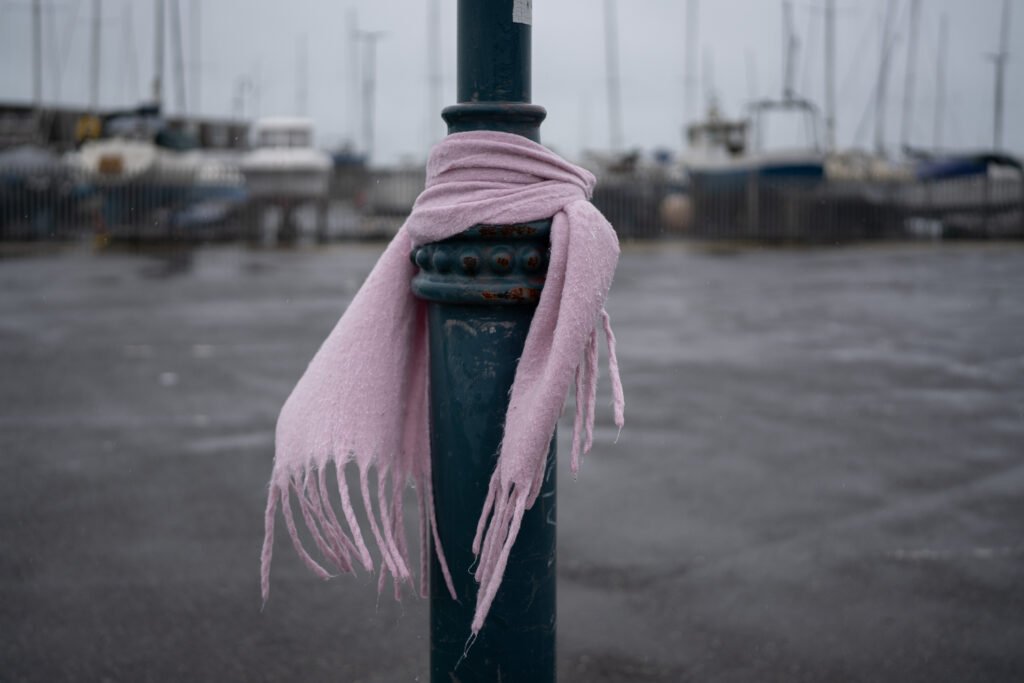
Feminine freedoms 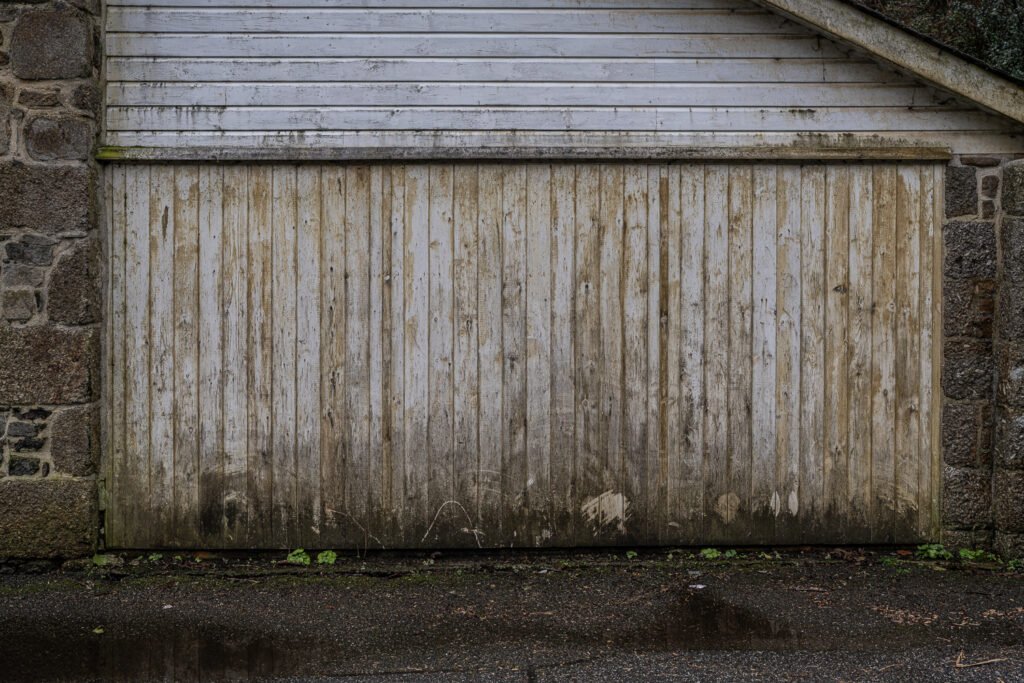
The marks and scratches on paintings 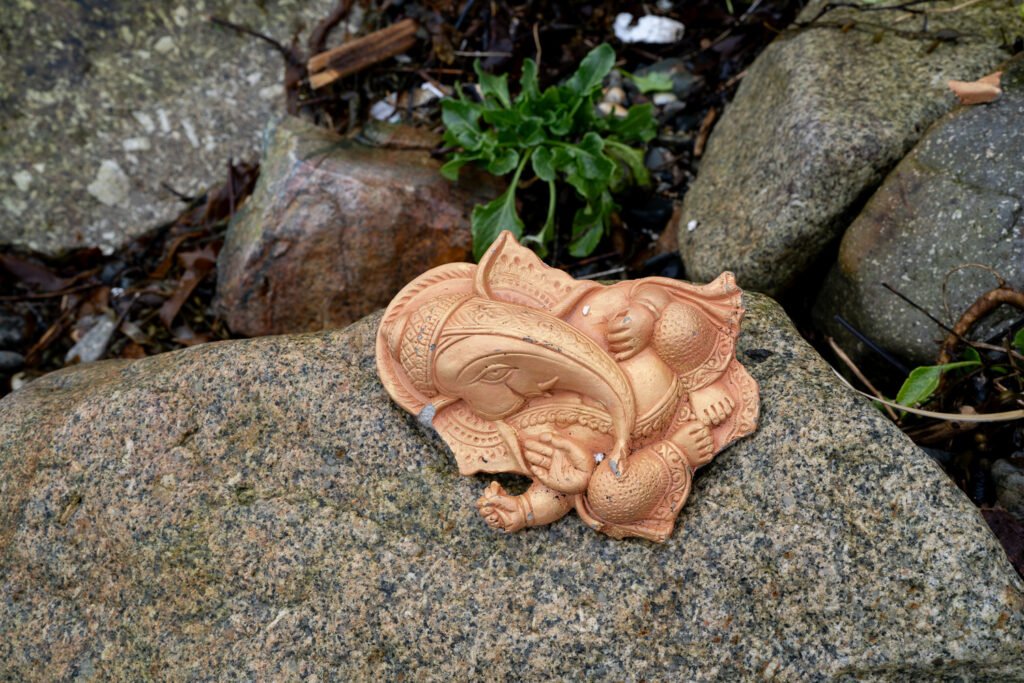
Banana tree festival, Durga Puja 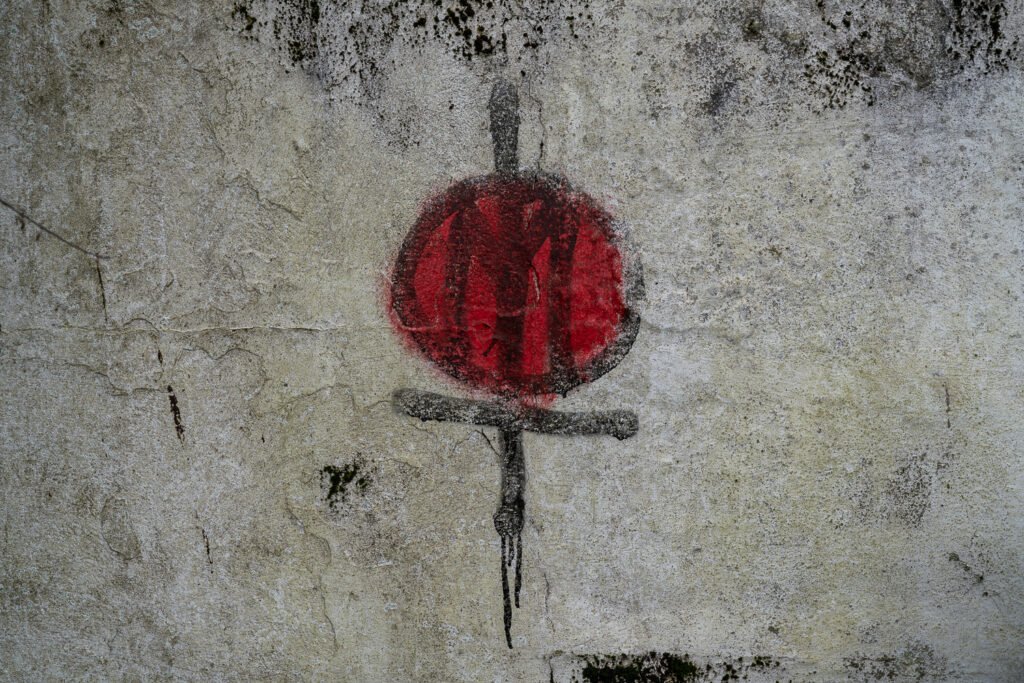
Spanish Civil War graves 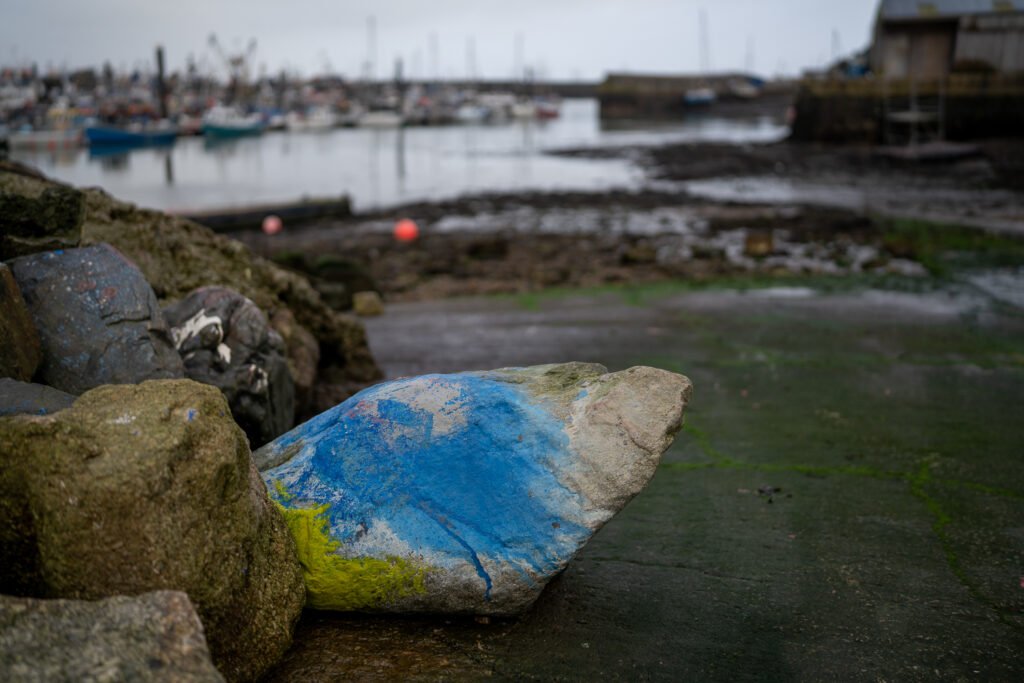
The Marjorelle blue of Moroccan medinas 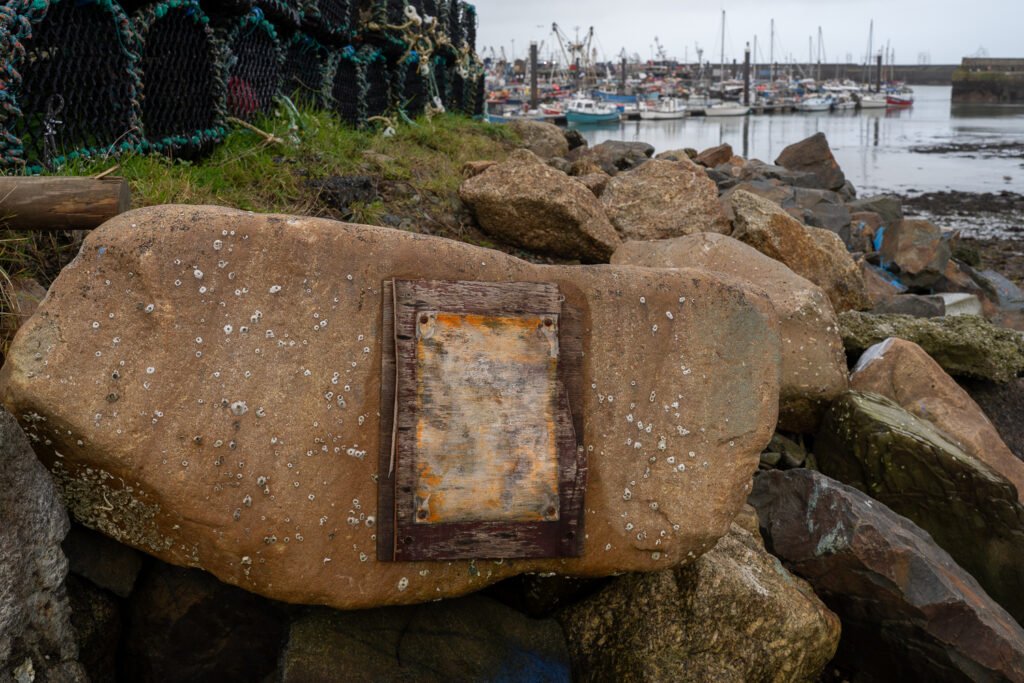
Gangotri, source of the Ganga, where images of people were placed onto rocks 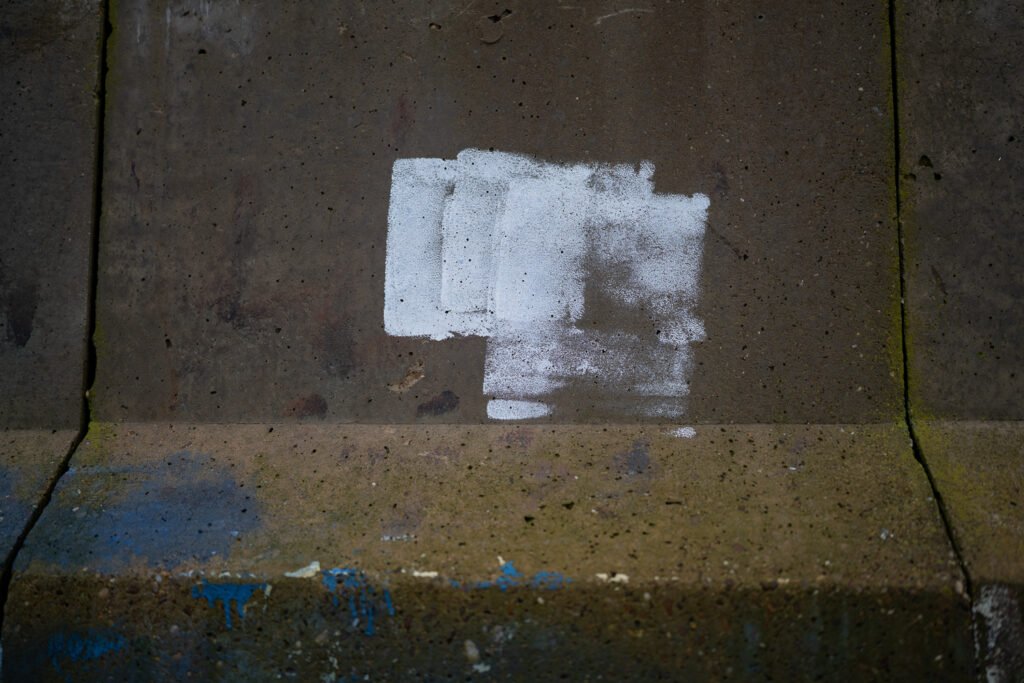
A boat yard in Tangier and modern art 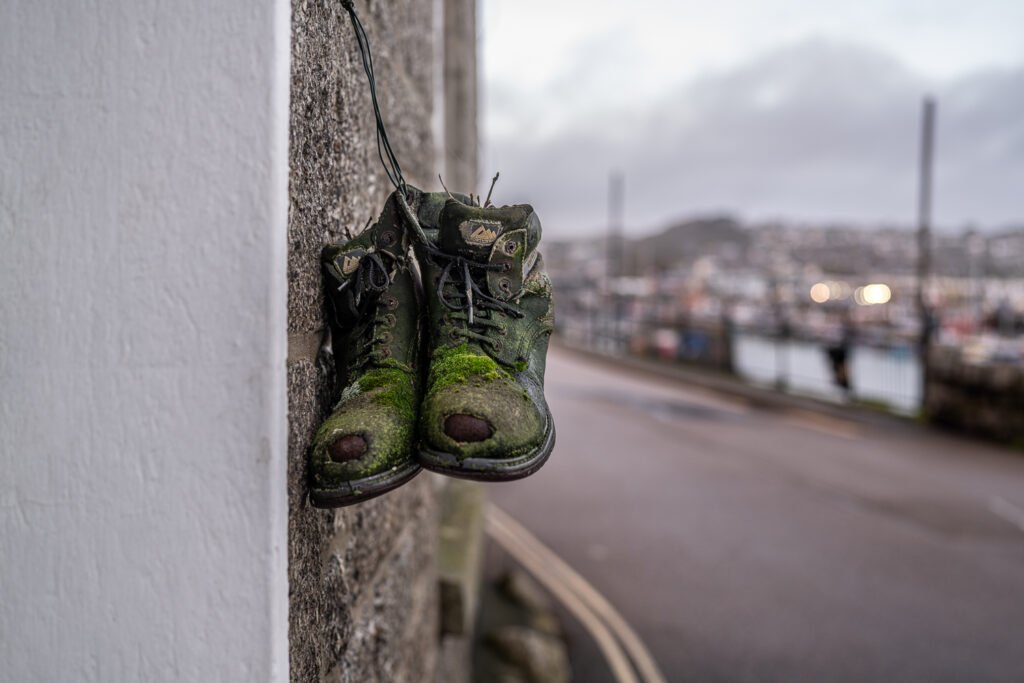
Dada in Somerset 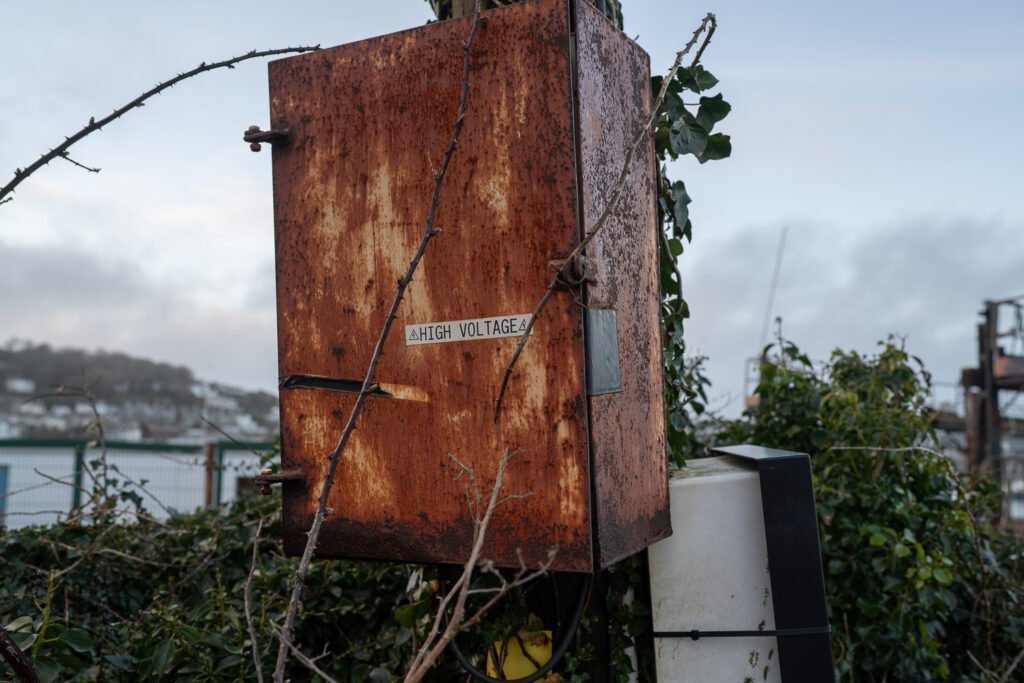
Civilisation waning 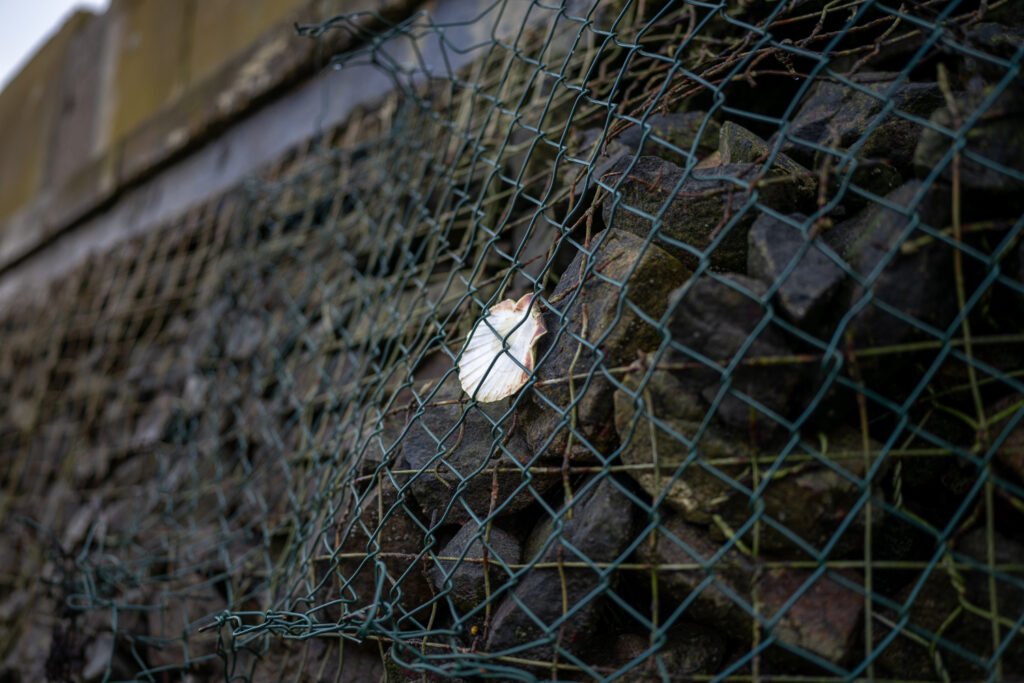
A star in the Universe 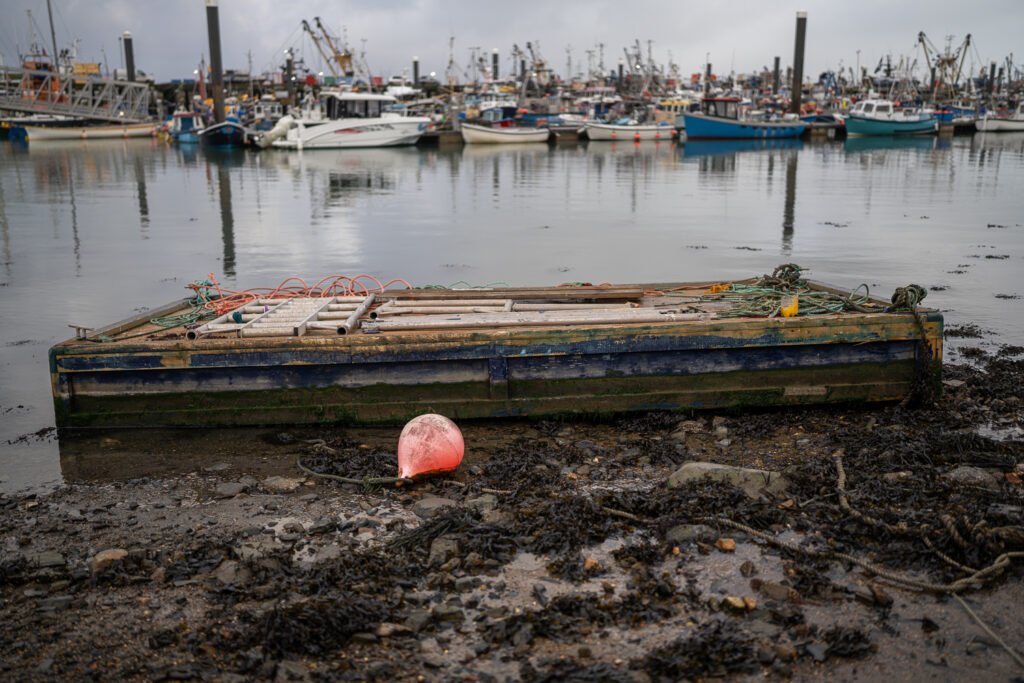
The Kumbh Mela at Allahabad These photographs found and created in Penzance and Newlyn have associations with experiences I have had around the world.
-
Pilgrimage to Lawrence Hill Roundabout
I travel from Taunton to Bristol and Lawrence Hill Roundabout by train. The short journey from Bristol Templemeads to the Roundabout is also visually interesting. The overwhelming visual stimulation of an urban/city environment is particularly relevant in Bristol given its international reputation for street art.
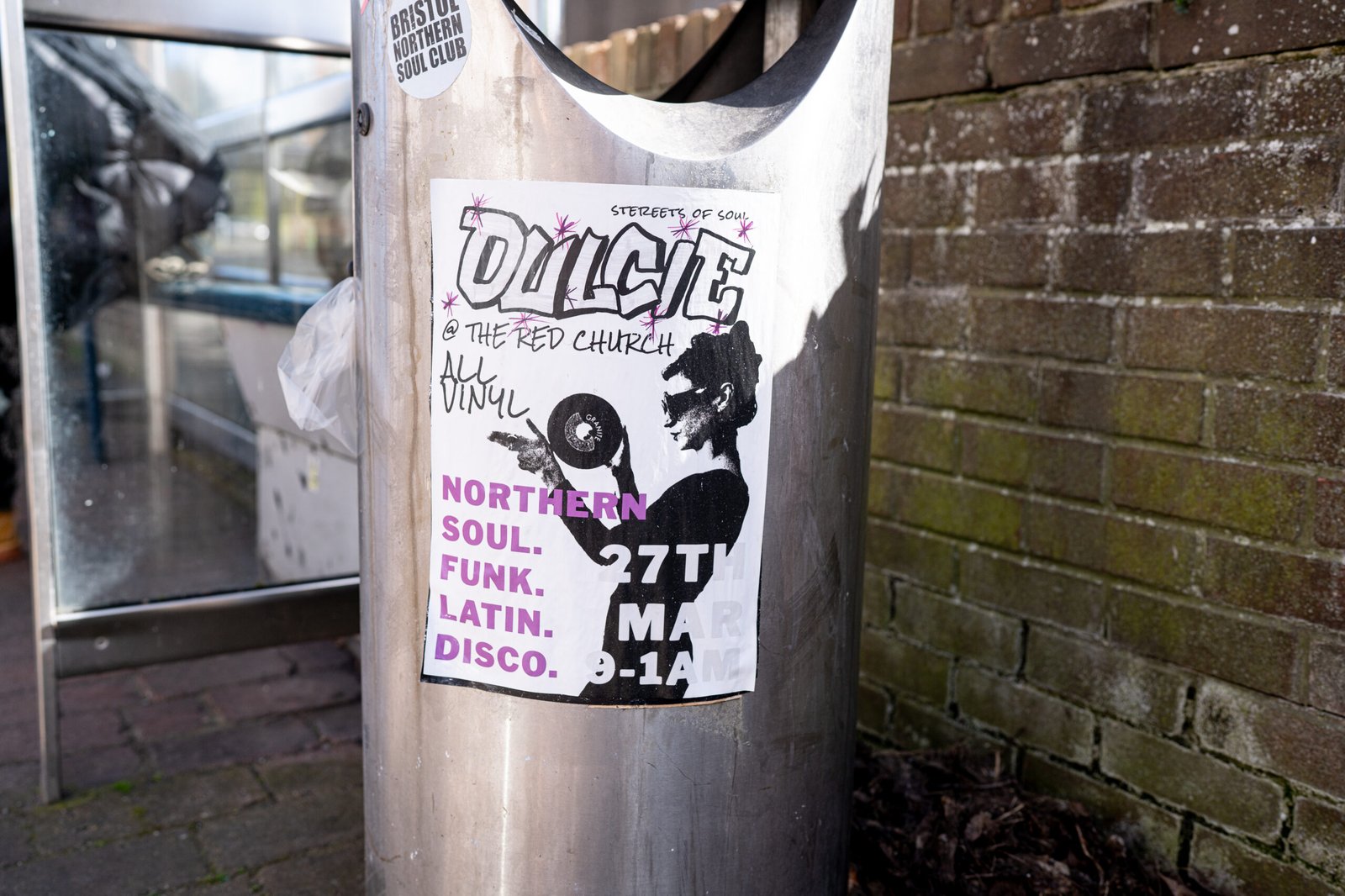
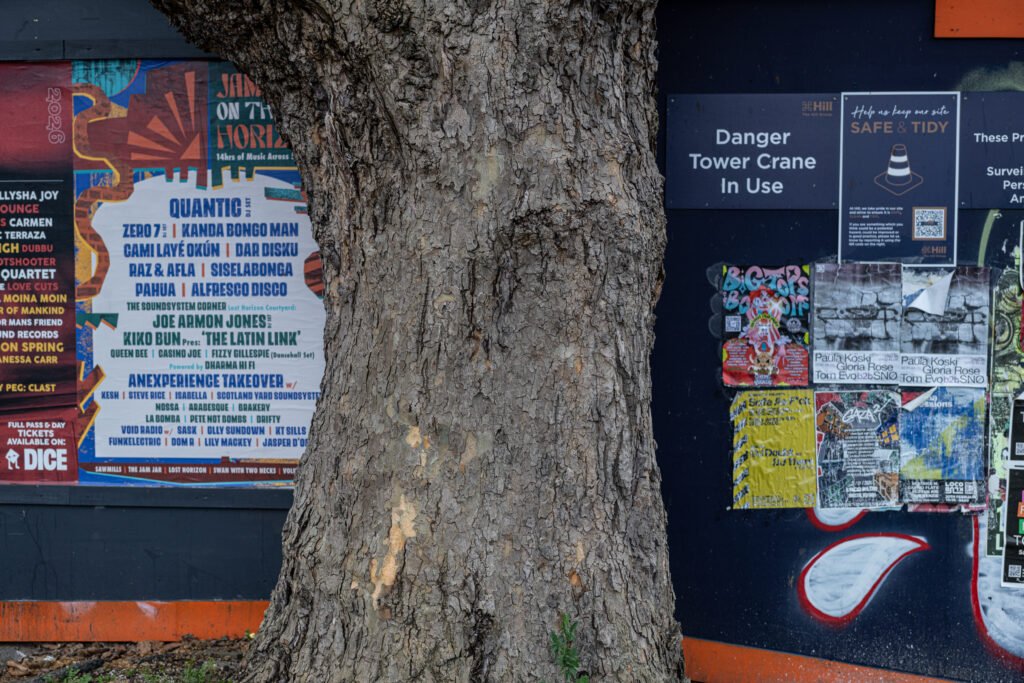
The designs which interest me are found everywhere; the signage, the esoteric and apparently non-sensical graffiti, the clutter, the posters advertising local events and political affiliations and the graphical characteristics of structures.
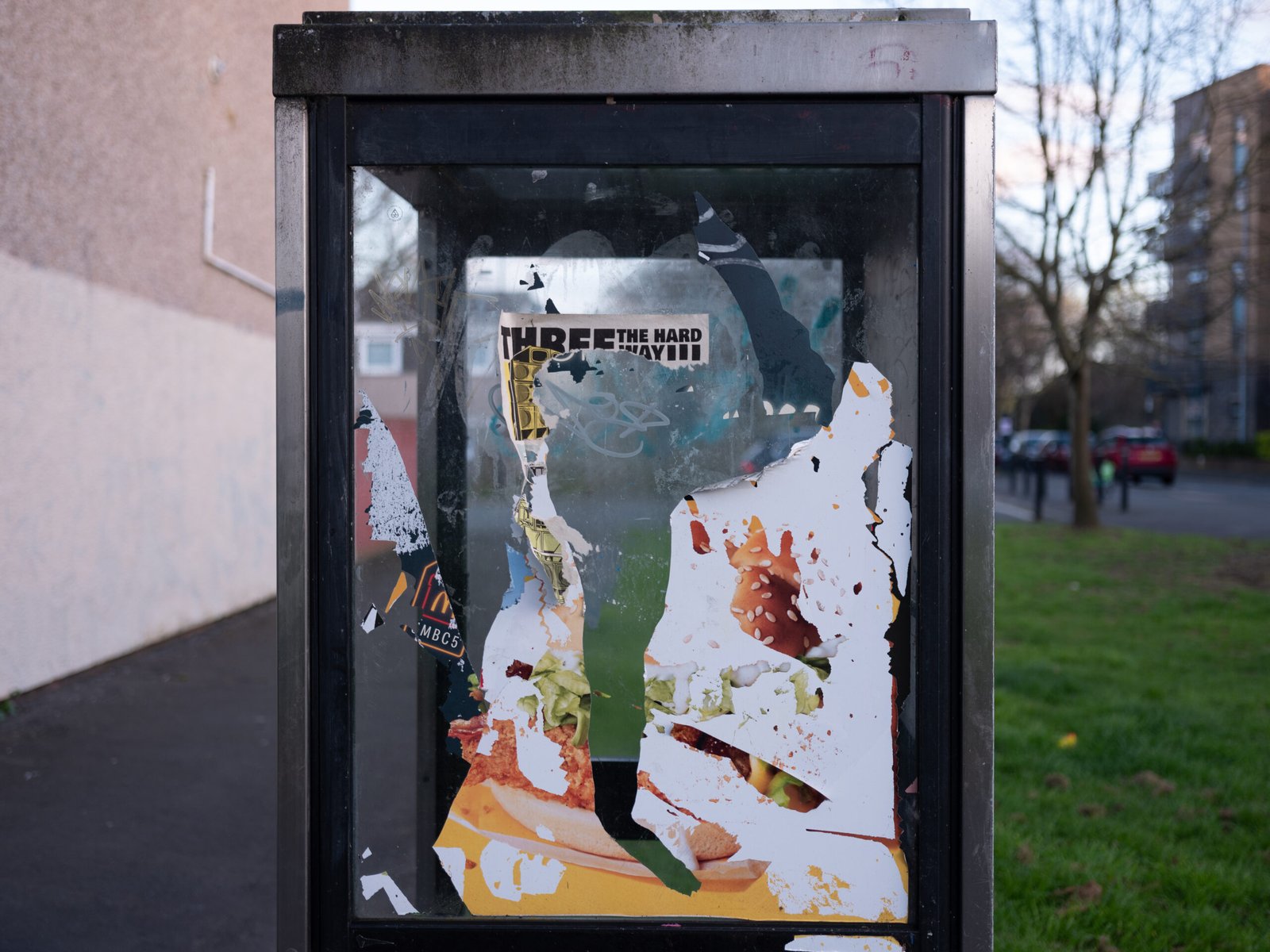
Allied to this is the sense of impermanence and change of urban expression, its ephemerality. What also interests me is the physical degredation of ‘culture’, its organic atrophy, and its sense that there is a timescale embedded within its multiple layers. I often think it is a form of palimpsest.
Lawrence Hill Roundabout and its graffitied and layered underpasses does not exist in isolation. All around it in east Bristol is an environment of a similar visual nature. Here is a collection of images of ‘signs’ ( maybe semiotics) I encounter on my journey from Bristol Templemeads to Lawrence Hill Roundabout.