What differentiates an academic study of photography from purely photographic practice is its embrace of those who have considered the nature of photography, reality and visual culture in general. There are famous people such as Roland Barthes and Susan Sontag who are maybe the most well known, but there are many others.
In this University module we have considered critical theory more deeply. Roland Barthes (1915-1980) was a french Philospopher and writer who began writing his book Camera Lucida in 1977 after his mother’s death. The book was a reflection on his mother and his grieving for her, a process he allied with his experience of photography. His considerations focussed on one particular image of her taken years before. He explored why this image evoked such rich emotions and developed the words ‘studium’ and ‘punctum’ to explain why some photographs carry more emotional weight than others.
In earlier works ( notably Mythologies pub 1957 ) he explored ‘semiotics’, the study of cultural signs which resonate throughout visual culture. He considered that many objects exist in the real objective world but also carry significant cultural weight which photographers and artists in general use widely to convey more important truths, or meanings, often unconsciously or by metaphor.
I find his thinking interesting and I try to become aware of what i am truly ‘seeing’ and ‘feeling’, as opposed to just ‘looking’ when I undertake my photography.
This module also explores our notions of what is ‘true’ and ‘real’ and how photography ( and art in general ) can distort and expand, or minimise by providing misinformation, these absolutes.
Susan Sontag, in her book On Photography (pub 1973) reflects on whether we see reality by referencing Plato’s Cave, suggesting that maybe all we see is representations of reality as shadows cast upon the wall of a cave by fires that burn outside. The french philosopher Baudrillard developed the notion of ‘Simulacra’ in his 1981 essay ‘Simulacra and Simulation’, suggesting that ‘reality’ is ever diminishing into copies of things which may exist or in fact may no longer exist at all. This incorporates thinking about the profusion of digital imaging in the world which can be changed, replicated and substituted readily.
Another philosopher i feel sympathy with is Immanuel Kant (1724-1804) who developed ideas about Phenomenology. Edmund Husserl developed these ideas, introducing an explanation for the creative process called Epoche. This is a process where the sensation experienced when artistically considering an object is maximised without personal prejudice interfering and leads to an uncontaminated experience from which art can be made.
Whilst in Cornwall I visually explored Barthe’s ideas about objects in the world conveying metaphor and alternative meanings for us. These interpretations below are personal to me; everyone will have their own internal resonance with objects they encounter.



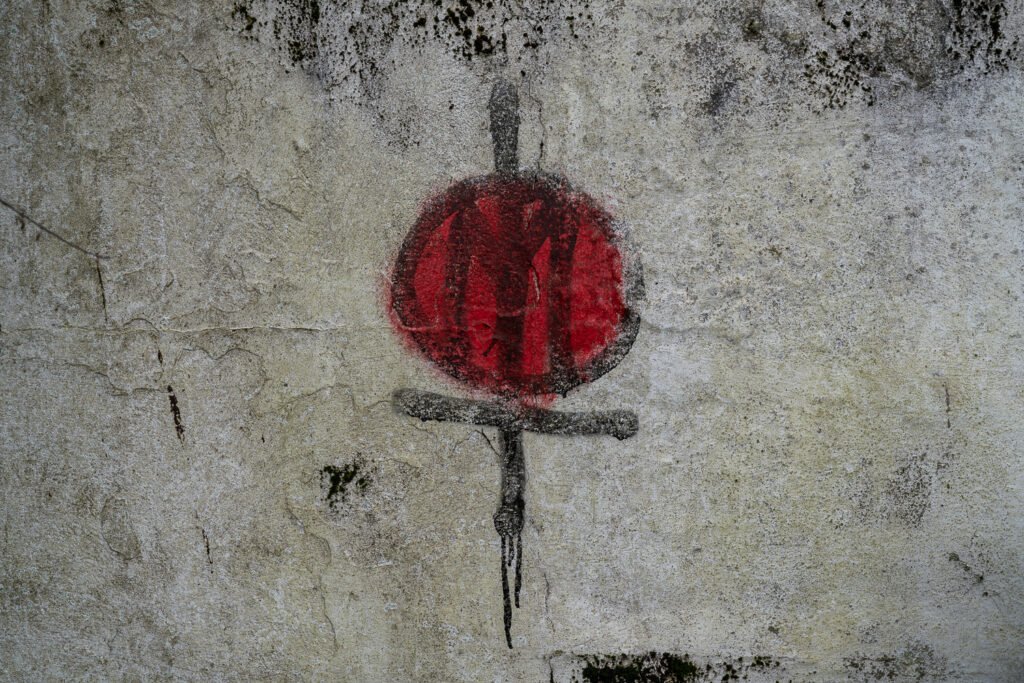


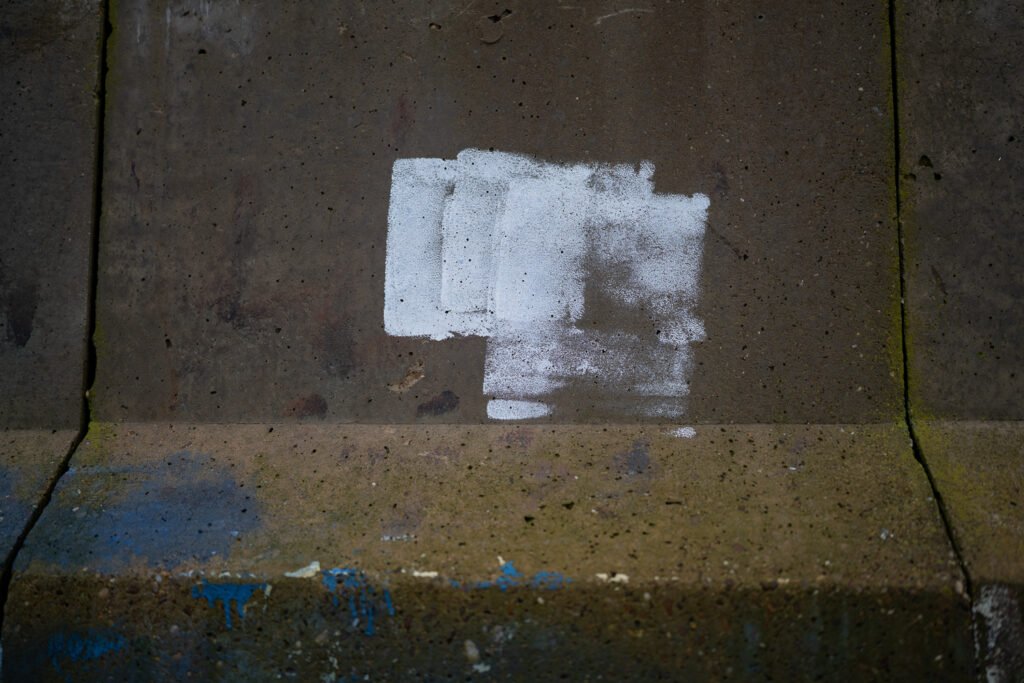




These photographs found and created in Penzance and Newlyn have associations with experiences I have had around the world.
Leave a Reply